
Amber-colored salamander (Hynobius stejnegeri)
A small, endemic Japanese salamander in the family Hynobiidae. Lives in forested streamside habitats, breeds in water, and faces population pressure from habitat loss and alteration.
Overview
The amber-coloured salamander (Hynobius stejnegeri) is a member of the Hynobiidae, a family of Asiatic salamanders. It is endemic to Japan and is known for its relatively small size and earthy, often amber-tinted coloration. Like other hynobiids, this species links terrestrial adult life with an aquatic larval stage and is tied closely to clean freshwater systems for reproduction. For a general introduction to the family, see Hynobiidae.
Image gallery
1 Image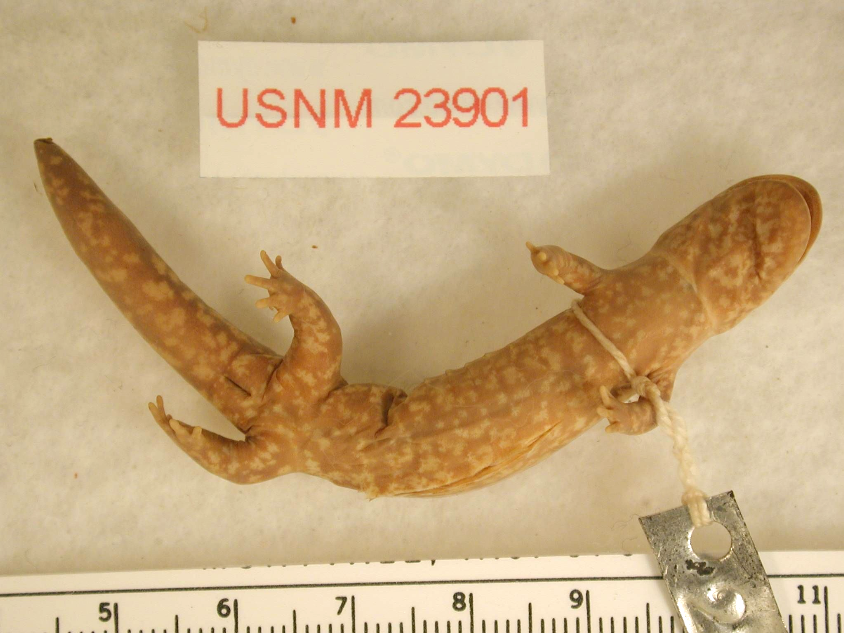
Characteristics
Adults typically have a slender body, short limbs and a tail adapted for swimming. Coloration ranges from brownish to yellow-amber tones that help with camouflage among leaf litter and moss. Key features include:
- Small body size relative to many other salamanders.
- Moist, permeable skin that requires humid microhabitats.
- A life cycle with aquatic larvae that later metamorphose into terrestrial adults.
Habitat and distribution
This species occurs only in Japan and is associated with temperate forest landscapes. It breeds in slow-moving streams, pools and other freshwater sites where water quality and stable banks provide suitable sites for eggs and larvae. Adults spend much of their non-breeding time in damp forest floor habitats beneath stones, logs and leaf litter. For regional information, consult resources about Japanese amphibians at regional guides.
Behavior and reproduction
Breeding is seasonal and normally involves adults moving to aquatic sites to deposit eggs. Larvae are fully aquatic and feed on small invertebrates until metamorphosis. Adults are mostly nocturnal or crepuscular and feed on insects and other small invertebrates on the forest floor.
Conservation and threats
Populations are sensitive to habitat alteration. The principal threats include destruction or modification of forest cover, pollution and changes to stream structure that reduce suitable breeding sites. Conservation measures focus on protecting riparian forests, maintaining water quality and preventing fragmentation of habitat. For conservation guidance and habitat restoration approaches, see relevant conservation resources.
Notable facts
As an endemic species, the amber-coloured salamander is an indicator of the health of local freshwater and forest ecosystems. Its presence often reflects intact riparian habitats and minimal pollution. Continued monitoring helps determine population trends and the effectiveness of protective measures.
Related articles
Author
AlegsaOnline.com Amber-colored salamander (Hynobius stejnegeri) Leandro Alegsa
URL: https://en.alegsaonline.com/art/3277