
Becklespinax — a spine-bearing theropod from Early Cretaceous England
Fragmentary genus of large predatory theropod from the Early Cretaceous of Sussex, England, known for tall neural spines; taxonomically debated and important for understanding spinal ornamentation.
Overview
Becklespinax is a genus of large predatory theropod dinosaur recorded from Early Cretaceous deposits in southern England. The genus is known only from a small number of isolated vertebrae that bear unusually tall neural spines, suggesting a pronounced ridge, sail, or crest along the animal's back. Because the fossil record for this animal is fragmentary, many aspects of its appearance, size and precise relationships remain uncertain.
Image gallery
10 Images



Discovery and naming
The material attributed to Becklespinax was recovered from exposures in Sussex, where a number of early collectors and early paleontologists worked. The genus name alludes to the prominent spines preserved on the vertebrae and to the historical locality of discovery. The remains entered scientific literature in the modern era and have since been revisited by researchers examining isolated theropod remains from the Wealden sediments of southern England.
Anatomy and inferred appearance
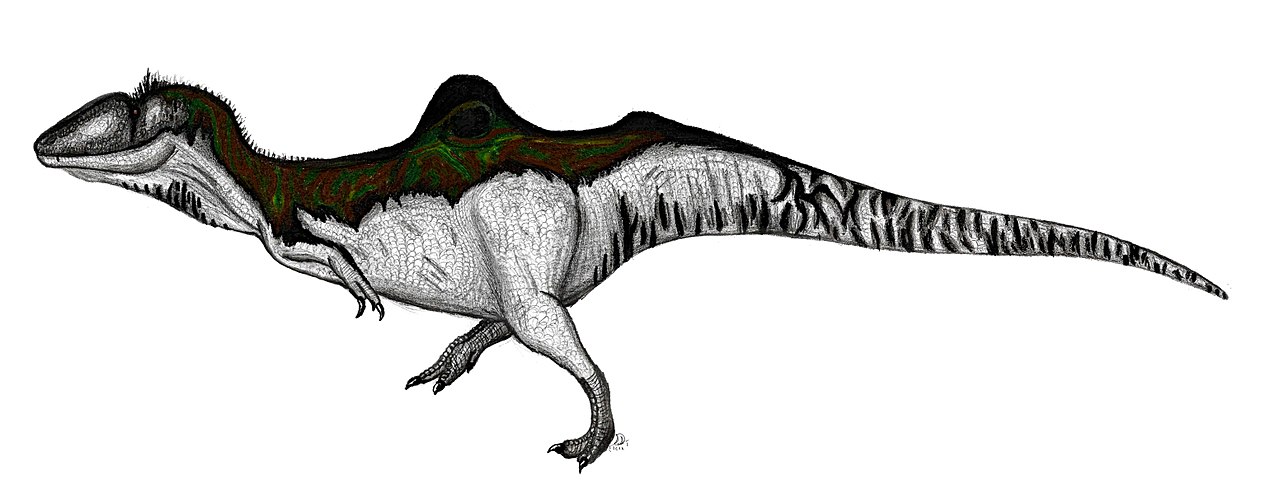
Only a handful of dorsal vertebrae with elongated neural spines form the primary basis for the genus. From these elements paleontologists infer a back profile with tall, blade‑like spines that could have supported a low sail or a series of tall ridges. Without skull material or limb bones, reconstructions rely on comparisons with other spine‑bearing theropods; as a result, proposed restorations vary and are often shown cautiously in scientific works.
Taxonomy and scientific debate
The sparse remains make Becklespinax taxonomically problematic and it is frequently discussed alongside closely related forms such as Altispinax. Some researchers treat Becklespinax as a distinct genus, while others caution that the material may be insufficient to establish a secure name or to place it confidently within a particular theropod family. This uncertainty means Becklespinax often appears in reviews of dubious or fragmentary dinosaur taxa from the Early Cretaceous of Europe.
Paleoecology and significance
If reconstructed as a large predator with an elevated dorsal profile, Becklespinax would have been one of several carnivorous dinosaurs exploiting ecosystems of Early Cretaceous Britain. The distinctive spines are significant because they add to evidence that varied dorsal ornamentation evolved repeatedly among theropods—possibly for display, species recognition, or thermoregulation—though the precise function in this animal is unknown.
Key points
- Known from fragmentary vertebrae with tall neural spines.
- Found in Sussex, within Early Cretaceous sediments of southern England.
- Taxonomically debated; often compared with other spine‑bearing theropods.
Further study of additional fossils, should they be discovered, is required to clarify the anatomy, relationships, and biology of Becklespinax. For comparisons and broader context see reviews of Early Cretaceous British theropods and discussions of spine‑bearing dinosaur anatomy.
Related articles
Author
AlegsaOnline.com Becklespinax — a spine-bearing theropod from Early Cretaceous England Leandro Alegsa
URL: https://en.alegsaonline.com/art/10005