
Alvarezsaurus: a small Late Cretaceous theropod from Argentina
Alvarezsaurus is a small bipedal theropod from Upper Cretaceous Argentina (≈86–83 Ma). A basal alvarezsaur with cursorial hindlimbs, it helps document the transition to the short-armed, insectivorous forms such as Mononykus.
Alvarezsaurus was a small, two-legged dinosaur that lived in what is now Argentina during the Upper Cretaceous (about 86–83 million years ago). Known from limited skeletal remains, it reached roughly two metres in length and had a light, gracile build with a long tail and powerful hindlimbs. Its anatomy indicates a primarily terrestrial, fast-running lifestyle.
Image gallery
10 Images

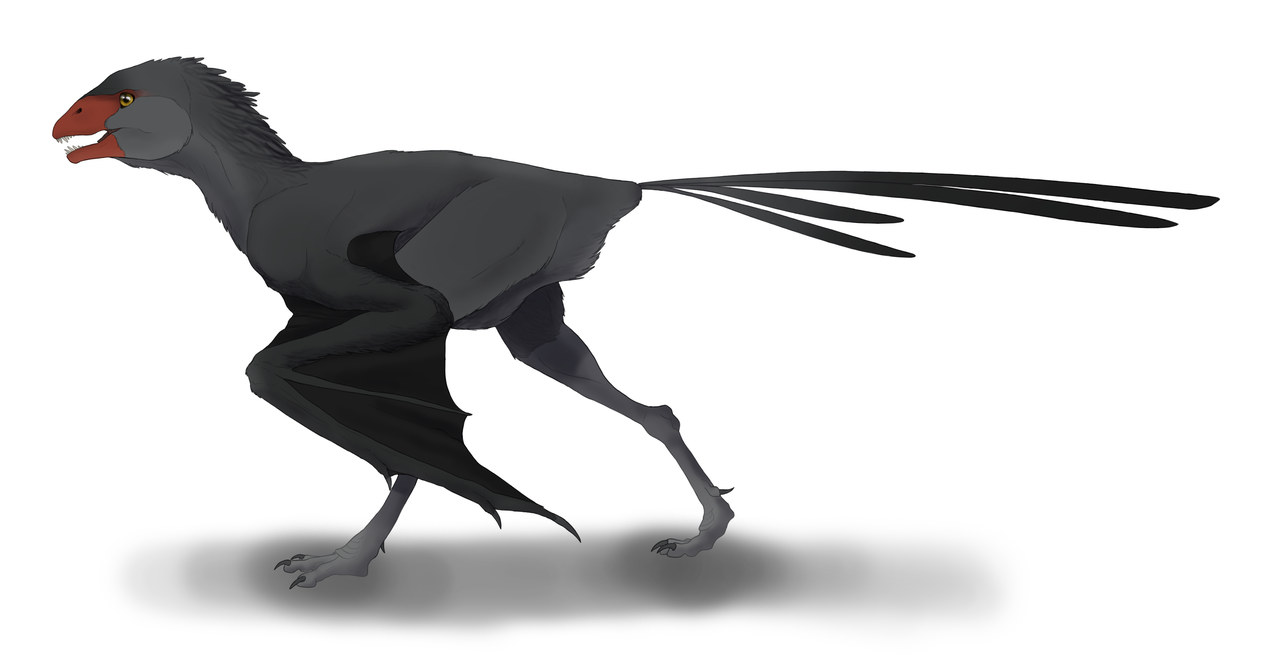

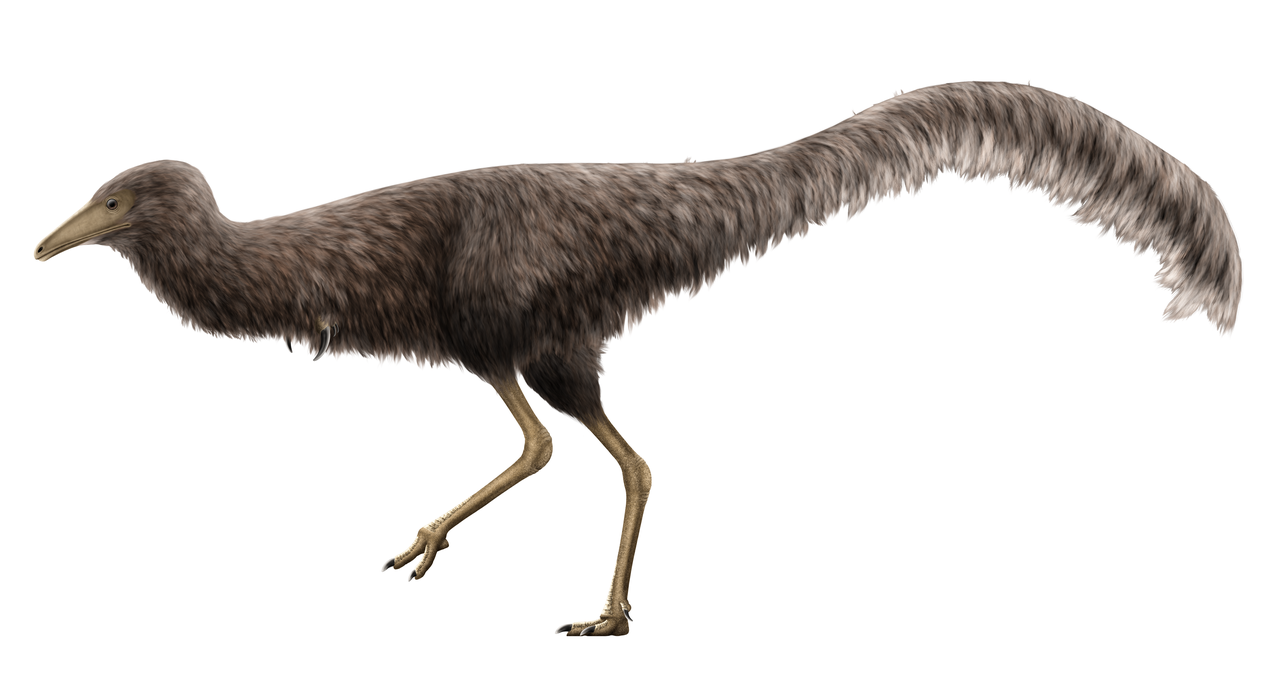


Characteristics
- Size and build: relatively small (around two metres) and lightweight compared with many theropods, suited to agility and speed.
- Locomotion: long, muscular hindlimbs and a stiffening tail suggest strong cursorial adaptations for sustained running.
- Forelimbs: reduced compared with hindlimbs but not as extremely modified as in later, derived alvarezsaurs.
- Diet and ecology: anatomical evidence is consistent with insectivory or feeding on small prey, though direct stomach contents are not known.
Alvarezsaurus displays a mixture of primitive and specialized traits that place it near the base of the alvarezsaur lineage. Its forelimbs lack the extreme shortening and single-clawed configuration seen in some later relatives, suggesting an intermediate stage in the evolution of the group's unusual forelimb anatomy.
Discovery and naming
The genus was named by the Argentine paleontologist José Bonaparte in 1991 based on material recovered in Patagonia. Fossils are fragmentary compared with many dinosaur genera, but the preserved elements—principally parts of the pelvic region and limbs—are diagnostic enough to establish its distinctiveness and approximate proportions.
Classification and significance
In phylogenetic analyses Alvarezsaurus is often interpreted as more basal than later, highly derived genera such as Mononykus and Shuvuuia. Those derived forms show extreme forelimb modification interpreted as specializations for digging into insect nests; Alvarezsaurus documents an earlier stage before those specializations became pronounced. The genus therefore contributes to understanding both the functional and biogeographic evolution of alvarezsaurs in Gondwana.
Paleoecology and broader context
Although direct evidence for integument is lacking for Alvarezsaurus itself, several close relatives show integumentary structures interpreted as feathers, so a lightly feathered covering is plausible. Its combination of cursorial hindlimbs and likely insectivorous habits illustrates how small theropods occupied diverse ecological niches in the Late Cretaceous ecosystems of southern continents. Continued discoveries and revised analyses help refine its exact placement and the sequence of changes that produced the highly specialized, short-armed alvarezsaurs known from later deposits.
Tags
Related articles
Author
AlegsaOnline.com Alvarezsaurus: a small Late Cretaceous theropod from Argentina Leandro Alegsa
URL: https://en.alegsaonline.com/art/3132