
Economy of Azerbaijan: overview, sectors, and development
Azerbaijan's economy is driven by oil and gas but includes agriculture, industry and services. This article explains structure, history, key sectors, reforms, challenges and notable projects.
The economy of Azerbaijan blends significant hydrocarbon resources with a diverse set of non‑energy activities. Since independence from the Soviet Union, energy production — especially crude oil and natural gas — has been the principal engine of growth, attracting large volumes of foreign direct investment and financing major infrastructure projects. At the same time, services, agriculture and light industry continue to provide employment for much of the population and remain important for regional development and food security. For basic references see overview and the country's main profile at national sources.
Image gallery
7 Images


Structure and main sectors
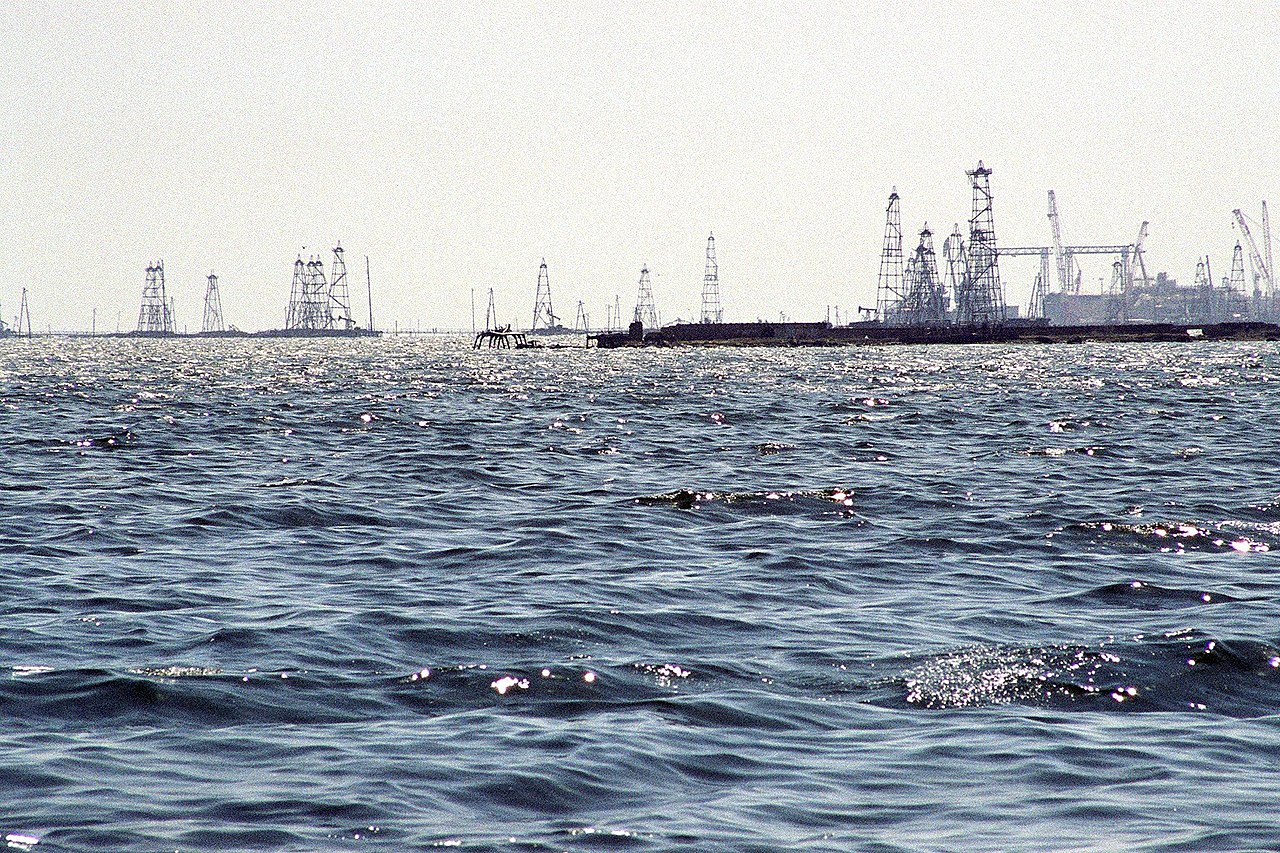
Three sectors shape the national economy: energy, services and agriculture. The energy sector covers exploration, production, refining and export of hydrocarbons; pipelines and transit routes connect Azerbaijan to markets beyond the Caspian basin. Services encompass trade, transport, finance, public administration and a growing tourism industry; they account for a substantial share of employment and household income. Agriculture remains significant for rural livelihoods, with grain, cotton, fruits and livestock being typical outputs. Industrial activity includes petrochemicals, light manufacturing and construction, all linked to public and private investment. For sectoral data and industry overviews consult industry reports, service sector summaries and tourism guides at tourism sources.
History and economic reform
After 1991 the country transitioned from a centrally planned Soviet system to a market‑oriented economy. The reform program combined liberalization, privatization of state enterprises and agricultural land, and efforts to create a functioning banking and monetary framework. Membership in international financial institutions supported stabilization and investment: see entries for the energy ledger and foreign cooperation at energy sector and energy resources. The state has overseen strategic assets while encouraging private participation and foreign partners; assessments of reform progress are available from economic growth summaries and foreign investment trackers at investment portals.
Institutions, currency and finance
The national currency, the Azerbaijani manat, is issued and regulated by the Central Bank, which was formed in the early years of independence to manage monetary policy, banking supervision and currency issuance. The government and the central bank coordinate fiscal and monetary measures to manage oil revenues, control inflation and stabilize exchange rates; background materials on monetary policy can be found at currency notes and central bank resources. International financial ties are broad: the country works with the IMF, World Bank and regional development banks to finance projects and advise on macroeconomic policy, see IMF, World Bank and regional banks.
Uses, projects and economic importance
Hydrocarbon exports remain the largest source of foreign exchange, supporting public investment, large‑scale infrastructure and regional transit initiatives. Major pipeline projects and export corridors have increased the country's role as an energy transit hub, and public‑private partnerships finance ports, roads and urban renewal programs. Simultaneously, the government promotes diversification through support for non‑oil industry, agriculture modernization, tourism promotion and small business development. For sectoral programs and policy documents consult independence era records, post‑Soviet analyses and transition studies.
Challenges and notable facts
Dependence on commodity revenues exposes the economy to global price swings, and economic planners frequently emphasize the need for fiscal buffers, transparent management of hydrocarbon income and investment in human capital. Regional inequalities, environmental concerns linked to extraction, and the pace of private sector development are recurring policy topics. Noteworthy elements include long‑term pipeline corridors, emerging gas export routes, and efforts to grow tourism and services as alternative income sources. Further specialist and statistical sources include market reform literature, privatization records and institutional profiles at state company registries and enterprise overviews.
- Trade and industry statistics
- Economic reform programs
- Currency history and coins
- Monetary milestones
- Central bank functions
- Currency issuance
- Commercial banking
- Banking supervision
For additional context, research institutions, regulatory bodies and international partners provide up‑to‑date analyses and statistics: overview, country profile, industry, services, tourism, energy, resources, growth, employment, FDI, independence, Soviet legacy, transition, reform, privatization, state companies, enterprises, trade stats, programs, IMF, World Bank, regional banks, manat, currency, 1992 reforms, Central Bank, bank role, currency printing, commercial banks and bank oversight.
Questions and answers
Q: What is the main source of economic growth in Azerbaijan?
A: The energy sector, based on large reserves of crude oil and natural gas, is the main source of economic growth in Azerbaijan today.
Q: How did Azerbaijan transition from a command economy to a market economy?
A: After gaining independence in 1991 with the end of the Soviet Union, Azerbaijan made the long and difficult change from a command economy to a market economy. The government has largely completed privatization of agricultural lands and small, medium and large state-owned companies.
Q: What are some organizations that Azerbaijan joined after gaining independence?
A: After gaining independence, Azerbaijan became a member of the International Monetary Fund, the World Bank, the European Bank for Reconstruction and Development, the Islamic Development Bank and the Asian Development Bank.
Q: What currency does Azerbaijan use?
A: The currency used in Azerbaijan is called Azerbaijani manat (AZN), which is divided into 100 qəpik. It became national currency in 1992 and replaced old Soviet ruble.
Q: What institution serves as central bank for Azerbaijan?
A: The Central Bank of Azerbaijan serves as central bank for Azerbaijan; it is responsible for printing and distributing national currency - Azerbaijani manat - as well as controlling all commercial banks.
Q: Who earns their income through agriculture in Azerbaian?
A: A third of people living in Azerbaian earn their income through agriculture.
Q: How many divisions does Azerbaijani manat have? A: Azerbaijani manat has 100 qəpik divisions.
Related articles
Author
AlegsaOnline.com Economy of Azerbaijan: overview, sectors, and development Leandro Alegsa
URL: https://en.alegsaonline.com/art/29969
Sources
- cia.gov : CIA World Factbook - Azerbaijan
- countrystudies.us : Country Studies - Azerbaijan
- azerbaijan.az : "Azerbaijan – General Information"
- azerbaijan.az : "Azerbaijan – General Information"
- thewindpower.net : Wind Energy Data - Azerbaijan
- osce.org : Rapid Tourism Assessment for the Azerbaijan Tourism Sector Development Program - Organization for Security and Cooperation in Europe (OSCE)
- azadliq.org : Azərbaycan Qarabağın turizm imkanlarını təbliğ edir
- eurasianet.org : "Azerbaijan: Baku Boom Has Yet to Hit Regions" · web.archive.org