
Azerbaijani manat
The manat (ISO: AZN) is the national currency of Azerbaijan, subdivided into 100 qəpik. This article summarizes its name, symbol, denominations, history, uses, and notable facts.

The Azerbaijani manat is the official currency of the Republic of Azerbaijan. Its ISO code is AZN and it is divided into 100 smaller units called qəpik. The word manat derives from the Russian moneta, meaning "coin," and the same word was historically used in several regional languages to refer to the Soviet ruble.
Image gallery
10 Images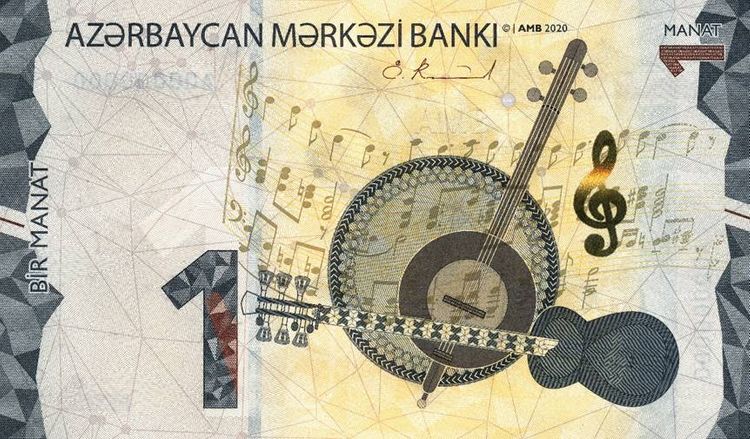


Design and denominations
Manat banknotes and coins are issued and regulated by the country's central bank. Physical forms include coins for the qəpik subdivision and paper (and polymer) notes for larger manat values. Banknotes and coins typically incorporate national symbols, historical figures and cultural motifs in their design, and security features such as watermarks and holograms protect higher-value notes.
Symbol and abbreviations
The manat has a dedicated currency sign (commonly shown as ₼) and is also represented by the three-letter code AZN. Because the symbol is not universally available on all keyboards or fonts, people sometimes write "man." or simply "m" as an abbreviation. Electronic financial systems and international markets normally use the AZN code.
History and development
Modern use of the manat began after Azerbaijan regained independence in the early 1990s. The currency has gone through reforms and redenominations as the monetary system was stabilized and modernized in the following decades. Over time authorities have adjusted monetary policy to address inflation, exchange markets and evolving financial infrastructure.
Usage and exchange
The manat is the only legal tender for transactions inside Azerbaijan and is used for wages, banking, trade, and everyday purchases. Its exchange rate against major international currencies fluctuates with market conditions, oil revenues and monetary policy; at times one manat has been worth more than one United States dollar. For general information on currencies and exchange, see national currency and the country's profile at Azerbaijan.
Notable facts and distinctions
- The term "manat" was used in both Azerbaijani and Turkmen languages to mean the Soviet ruble; see linguistic notes at Azerbaijani and Turkmen.
- When citing value comparisons or exchange rates, consult up-to-date market sources because the manat's purchasing power and external value change over time—see general currency comparison resources such as currency value, the United States dollar and the Euro.
For practical purposes, everyday users rely on banks, official exchange offices and digital payment systems to convert and handle manat transactions. Collectors and visitors can also note variations in commemorative issues and modern security designs when handling banknotes and coins.
Author
AlegsaOnline.com Azerbaijani manat Leandro Alegsa
URL: https://en.alegsaonline.com/art/7936