
Economic growth: causes, measurement, history, and implications
Overview of economic growth: what it is, how it is measured, main drivers (labor, capital, technology, institutions), historical development, policy relevance, and key distinctions.
Overview
Economic growth is the sustained increase in the production of goods and services in an economy over time. It is usually reported as growth in gross domestic product (GDP) or GDP per capita. Economists distinguish between nominal growth (measured in current prices) and real growth (adjusted for inflation); per‑person measures help assess changes in living standards.
Image gallery
8 Images


Drivers and components
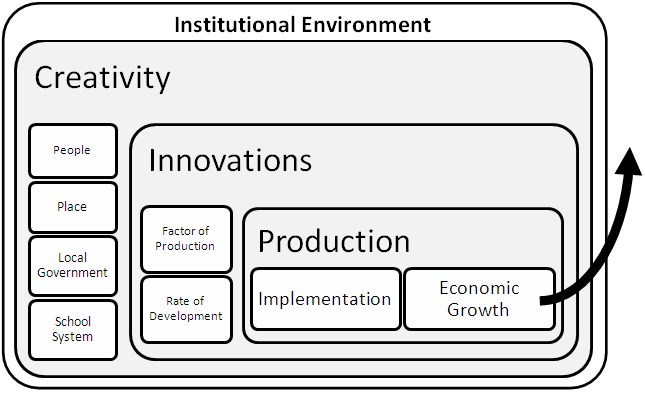
Growth arises from several interacting sources. Key factors include:
- Labor: changes in workforce size, participation rates and hours worked.
- Capital: investment in machines, infrastructure and buildings that raise productive capacity.
- Technology: innovations and improvements in organization that raise productivity.
- Human capital: education, skills and health of workers.
- Institutions and policies: property rights, rule of law, market openness, and macroeconomic stability.
Measuring growth and caveats
Common measures include total GDP, GDP per capita and productivity indicators such as output per hour. Analysts also estimate total factor productivity to capture gains not explained by measured inputs. Measurement has limits: nonmarket activity, informal sectors, quality improvements and distribution of income can obscure how growth translates into broader welfare.
Historical development
Before the Industrial Revolution most economies had little per‑person growth for centuries. Widespread, sustained growth began with industrialization and spread unevenly across countries in the 19th and 20th centuries. In recent decades globalization, mass education and digital technologies have been important drivers, while some low‑income countries have experienced catch‑up growth through investment and technology transfer.
Importance, uses and policy
Growth expands resources available for public services, employment and rising living standards, but it is not the only goal of policy. Policymakers balance growth with stability, equity and environmental limits. Policies that promote productive investment, education and predictable institutions tend to support sustainable growth.
Notable distinctions
Economic growth differs from economic development, which emphasizes structural change and welfare improvements beyond output. Short‑term business cycles cause fluctuations around a long‑run growth trend. Contemporary discussion often focuses on inclusive growth, which considers how gains are shared, and sustainable growth, which accounts for natural capital and climate constraints.
Author
AlegsaOnline.com Economic growth: causes, measurement, history, and implications Leandro Alegsa
URL: https://en.alegsaonline.com/art/137841