
Central bank: role, tools, history and significance
Overview of central banks: their functions (currency issuance, monetary policy, supervision), main tools, historical development, relationship with government, examples and key distinctions.
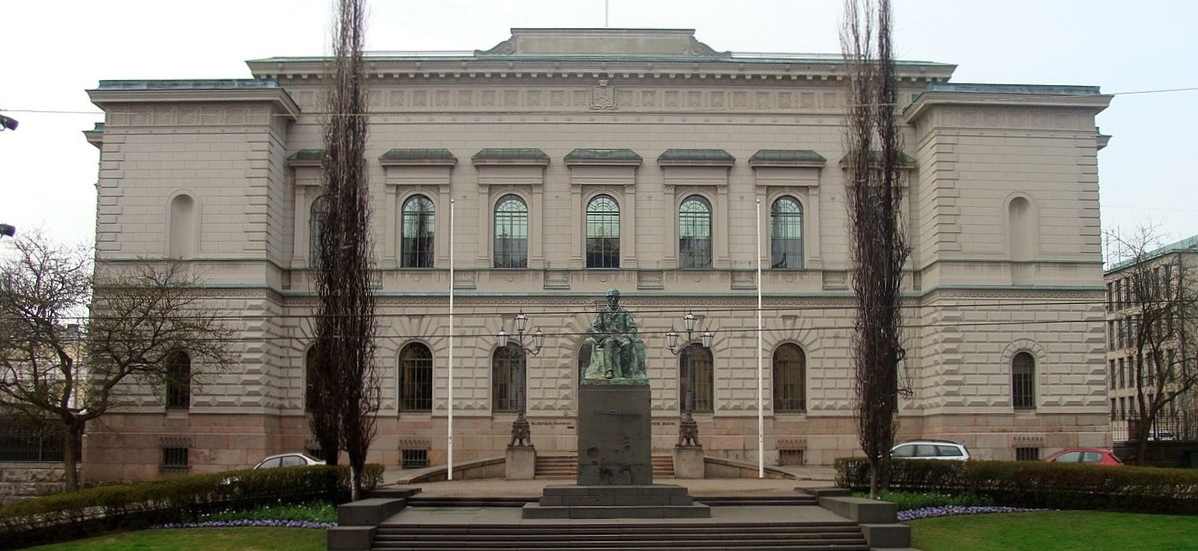
A central bank is a public institution charged with managing a nation's money and financial stability. It typically issues the national currency and implements policies that influence the overall money supply and interest rates. Unlike commercial banks, a central bank’s operations shape macroeconomic conditions rather than serving retail customers. In many states it also acts as banker to the government and, in some cases, holds or administers sovereign funds.
Image gallery
10 Images







Core functions
Central banks fulfill several essential roles for a modern economy. Commonly cited functions include:
- Monetary policy — setting short-term policy rates and using market operations to influence liquidity and inflation.
- Issuer of legal tender — supplying and withdrawing the national currency to meet transactional needs.
- Financial stability — supervising banks and payment systems to reduce systemic risk and prevent runs against institutions.
- Lender of last resort — providing emergency liquidity to solvent but illiquid banks to prevent contagion.
- Banker to government and banks — managing public accounts, sometimes overseeing foreign reserves or sovereign wealth.
Tools and mechanisms
To influence the economy a central bank uses a toolkit of instruments. These commonly include adjusting key interest rates to affect borrowing costs, conducting open market operations to add or drain liquidity, setting reserve requirements for commercial banks and offering standing lending facilities. Supervisory powers and regulatory guidance are used to maintain the soundness of the country's commercial banking sector (commercial banks).
History and prominent examples
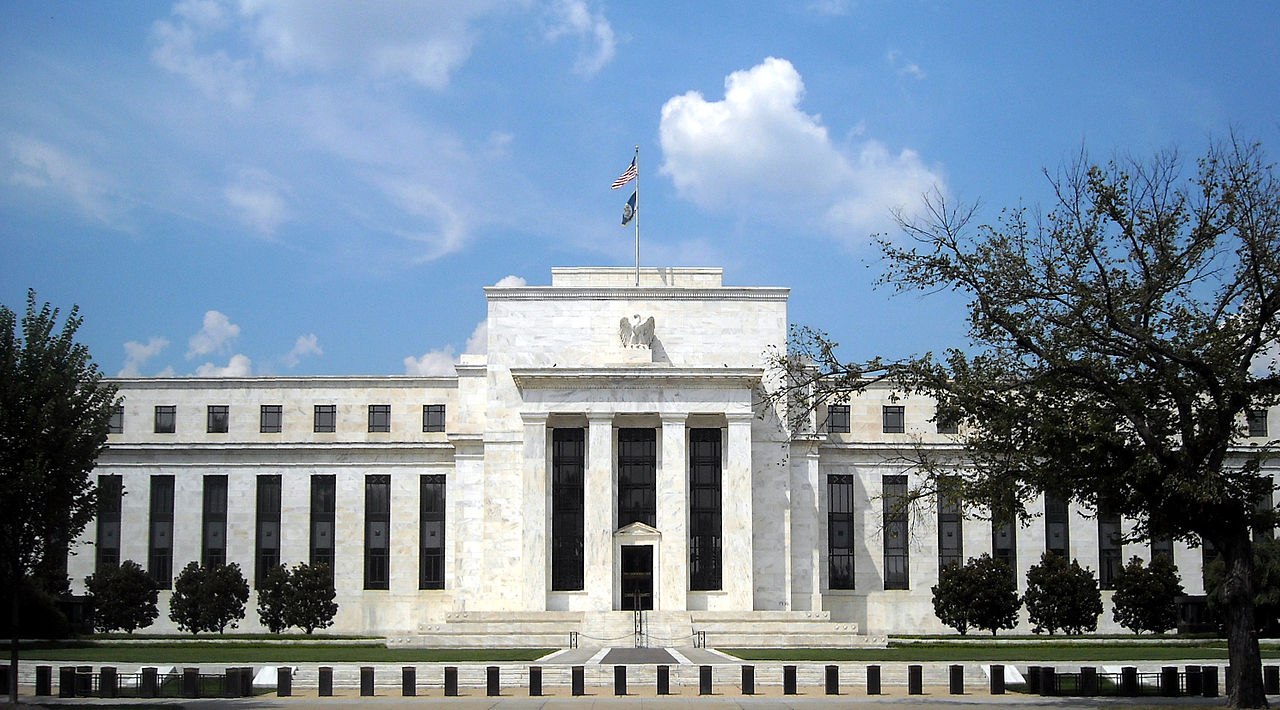
The modern concept of a central bank developed as states expanded trade and public finance. The Bank of England, established in the 17th century, is often identified as the oldest continuously operating central bank and helped shape later models. In the 20th century other major institutions emerged; notable contemporary examples include the European Central Bank and the United States Federal Reserve. Leadership is typically held by an appointed governor or president (Governor), who directs policy alongside a monetary policy committee or board.
Independence, governance and public policy
One of the most important practical issues for central banks is their relationship with elected governments. Many modern central banks are granted operational independence to pursue price stability and control inflation, while remaining accountable through reporting and legislative oversight. The degree of independence differs by country and influences how monetary and fiscal policy interact.
Importance and controversies
Central banks are widely credited with reducing inflation volatility and stabilizing financial systems, but they are also subject to debate. Critics point to possible side effects of low interest rates (asset price inflation, inequality), tensions between short-term political goals and long-term price stability, and challenges in supervising complex financial institutions. Nevertheless, central banks remain central actors in national and international finance.
For historical background, institutional details, and specific national arrangements consult central bank publications and regulatory summaries. For accessible introductions see materials linked by central banks themselves and international organizations that monitor monetary and financial stability (examples: Bank of England, ECB, Federal Reserve).
Further reading and technical guides are available from official sources and economic textbooks that describe monetary frameworks, tools, and governance arrangements in greater depth. Practical descriptions often distinguish the central bank’s macroeconomic policy role from its supervisory and payment-system responsibilities, which together underpin modern financial systems.
Questions and answers
Q: What does a central bank manage?
A: A central bank manages a state's currency, money supply, and interest rates.
Q: What is the role of a central bank in overseeing commercial banks?
A: Central banks usually oversee the commercial banks of their country.
Q: What powers do central banks have to prevent bank runs and stop financial institutions from doing reckless or fraudulent things?
A: Central banks usually have supervisory powers to prevent bank runs, and to stop commercial banks and other financial institutions doing reckless or fraudulent things.
Q: What is the difference between a commercial bank and a central bank?
A: In contrast to a commercial bank, a central bank can increase or decrease the amount of money in the nation.
Q: Which is the oldest central bank in the world?
A: The oldest central bank is the Bank of England.
Q: Which are the largest central banks in the world?
A: The largest central banks are now the European Central Bank (ECB) and the Federal Reserve of the United States.
Q: What is the role of a central bank with respect to a country's sovereign wealth fund?
A: It may have custody of the country's sovereign wealth fund.
Related articles
Author
AlegsaOnline.com Central bank: role, tools, history and significance Leandro Alegsa
URL: https://en.alegsaonline.com/art/18014
Sources
- pearsonschool.com : Economics: Principles in action
- federalreserveeducation.org : "The structure of the Federal Reserve System"