
Ebisu — Japanese god of fishermen, commerce, and good fortune
Ebisu is a native Japanese deity associated with fishing, commerce, good luck and the protection of children. He is one of the Seven Lucky Gods and appears widely in festivals, shrines and popular culture.
Overview
Ebisu (also written Yebisu; Japanese: 恵比寿, 恵比須, 夷, 戎) is a traditional Japanese deity praised for luck, prosperity and the wellbeing of fishermen, merchants and children. He is counted among the Seven Lucky Gods and stands out as a largely indigenous figure within a pantheon that includes many imported deities. Ebisu's image and name appear throughout Japanese religious practice, commerce and seasonal festivities.
Image gallery
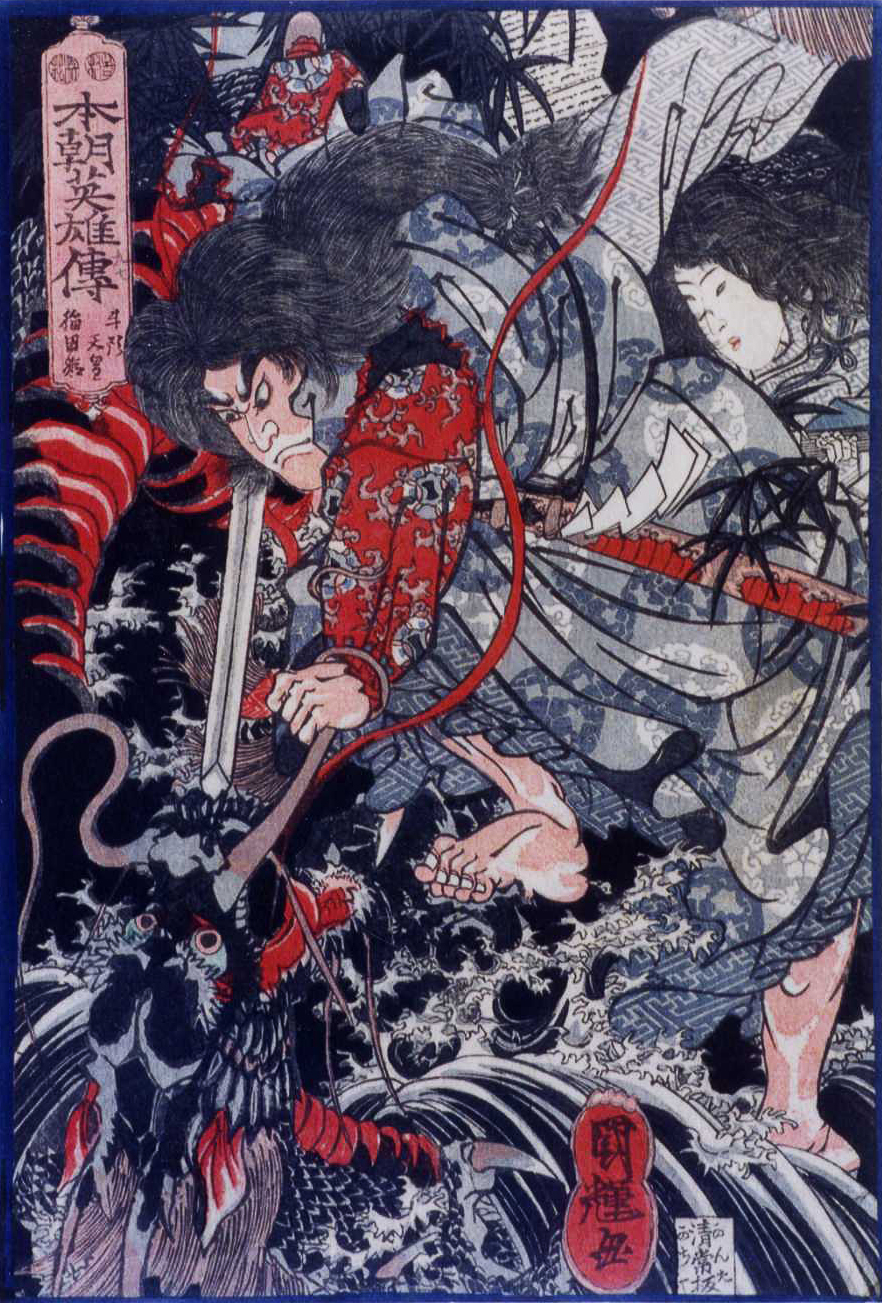
6 Images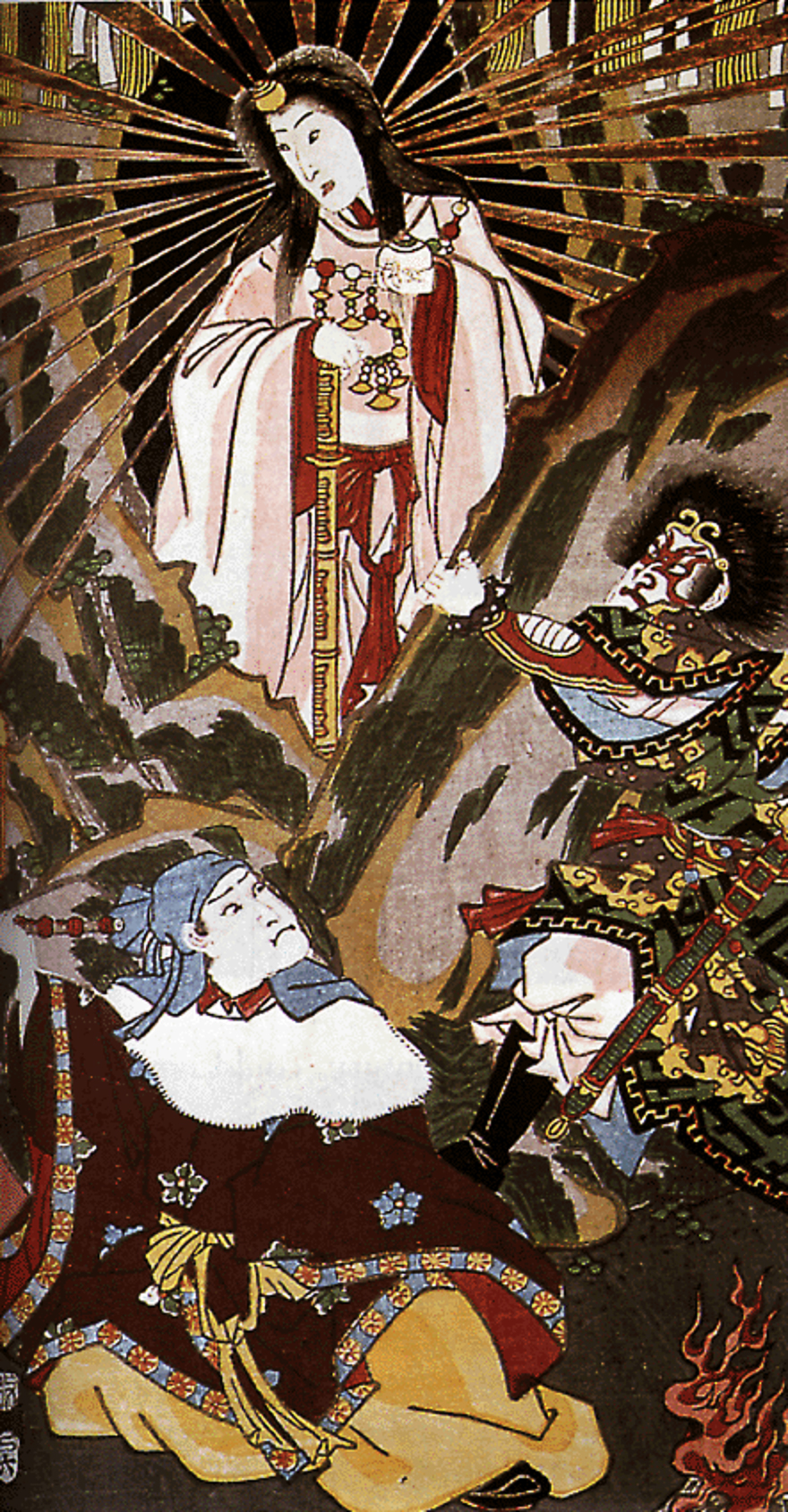



Appearance and symbols
In art and shrine statuary Ebisu is commonly shown as a smiling, bearded figure wearing a tall cap and simple robes. He is often depicted holding a fishing rod in one hand and a large sea bream (tai) under the other arm — symbols of successful catch and abundance. These attributes underline his connections to the sea, fishing communities and food-related prosperity.
Origins and myths
Ebisu's origins are complex and varied in different sources. In some traditions he is identified with Hiruko (蛭子), a child born under difficult circumstances in ancient chronicles, or with Kotoshironushi-no-kami, a deity linked to early regional myths. Over time these strands merged into the more familiar Ebisu persona celebrated for good fortune rather than the specific narrative details.
Worship, festivals and shrines
Ebisu is venerated in numerous local shrines across Japan and is central to seasonal observances that pray for safe fishing, successful trade and family health. One well-known observance is the January festival dedicated to Ebisu, when merchants and worshippers visit shrines to ask for prosperity in the coming year. Small Ebisu talismans and images are common in shops, restaurants and fishing ports.
Role and cultural significance
Unlike many deities in the Seven Lucky Gods group, Ebisu retains a distinctly local and popular quality. He functions both as a household protector and as a civic or occupational patron for those who depend on the sea and on commerce. His approachable, often cheerful depiction makes him a frequent subject in folk art, advertising and place names.
Notable distinctions
- Native character: Ebisu is largely a native Japanese figure rather than an import from China or India, a distinction within the Seven Lucky Gods.
- Occupational patron: He is particularly associated with fishermen, merchants and working people.
- Protective aspect: He is also seen as a guardian of children's health and family welfare.
For broader context on myth and practice see general resources on Japanese mythology and the tradition of the Seven Lucky Gods.
Related articles
Author
AlegsaOnline.com Ebisu — Japanese god of fishermen, commerce, and good fortune Leandro Alegsa
URL: https://en.alegsaonline.com/art/29839
Sources
- sacred-texts.com : "Kojiki"