
Charles Dickens: Life, Major Works, Themes, and Legacy
Concise encyclopedia overview of Charles Dickens (1812–1870), his life, principal novels, literary style, social concerns, and enduring cultural impact.
Charles Dickens (7 February 1812 – 9 June 1870) was a leading English novelist of the Victorian era whose fiction combined memorable characters, vivid scene-painting and sustained social criticism. He rose from modest origins to become one of the most widely read storytellers of the 19th century and a shaping force in public discussion about poverty, childhood and justice.
Image gallery
10 Images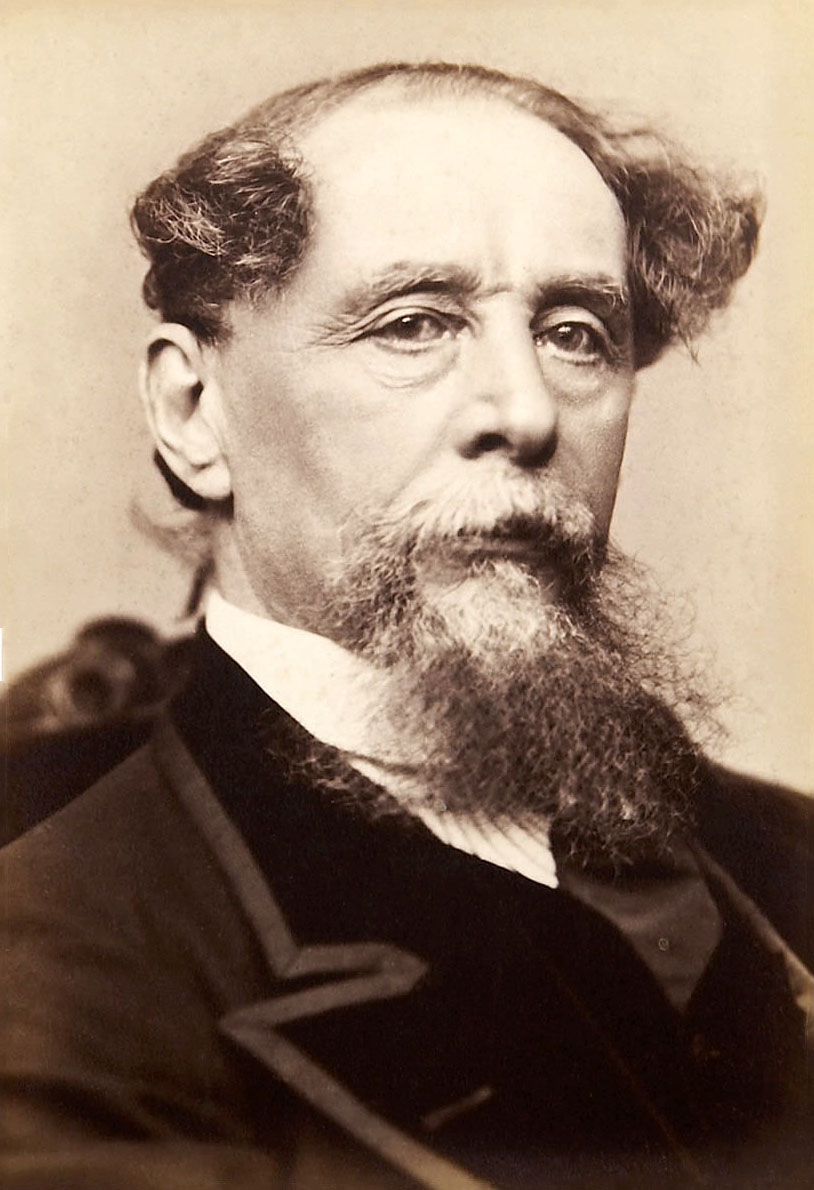


Life and career
Dickens was born in Portsmouth and experienced financial strain in childhood that influenced much of his work; as a young man he worked in a blacking warehouse and later began a career in journalism. He published sketches, short pieces and reporting before gaining fame with serialized fiction. Many of his novels first appeared in monthly or weekly instalments, a format that shaped their pacing and popular appeal. Dickens also gave public readings of his work and toured extensively in Britain and abroad.
Major works
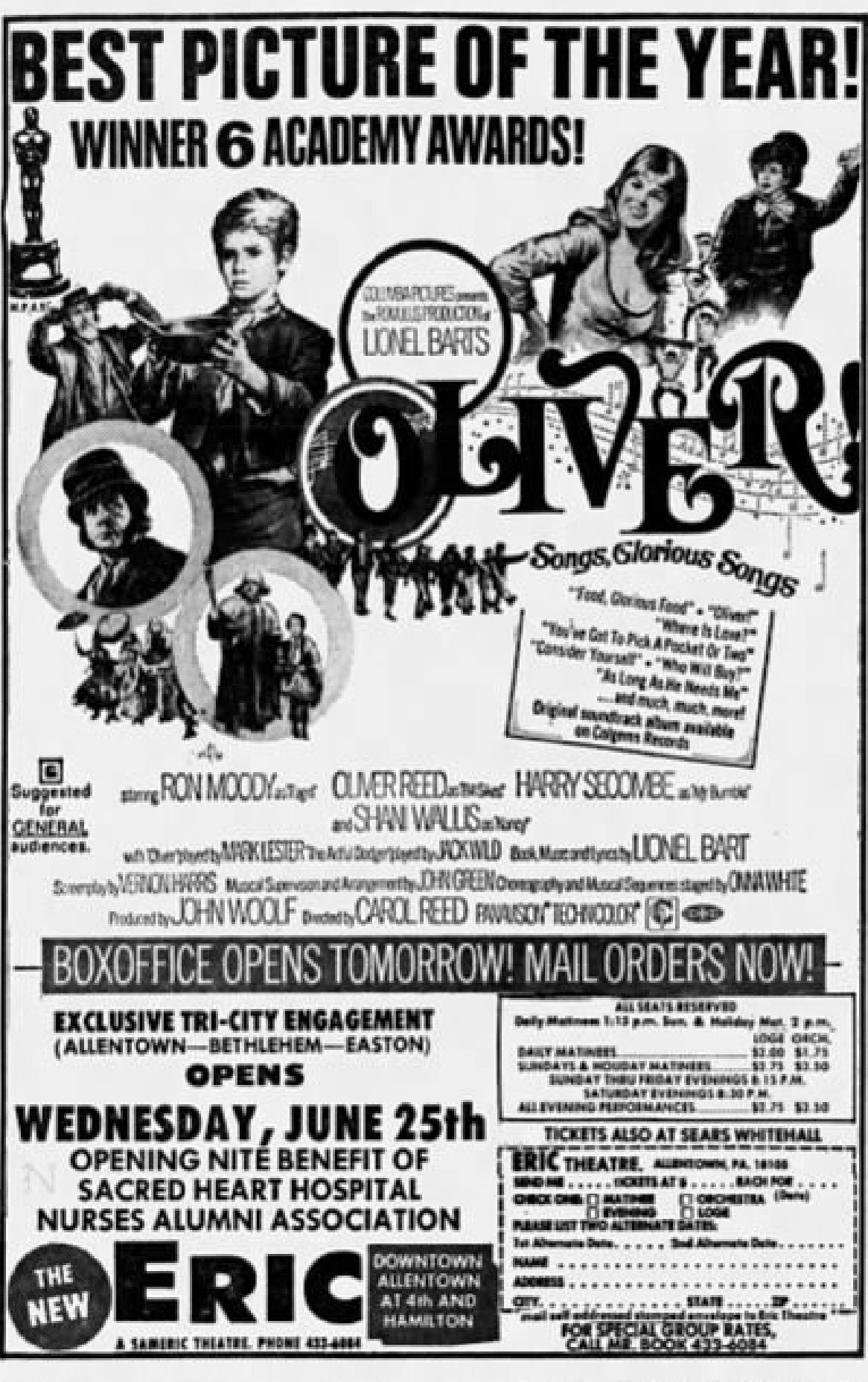
- Oliver Twist – a novel confronting child poverty and urban crime.
- A Christmas Carol – a short Christmas tale about redemption and social conscience.
- A Tale of Two Cities – a historical novel set before and during the French Revolution.
- Great Expectations and David Copperfield – coming-of-age narratives noted for psychological depth.
Themes and style
Dickens combined realism and melodrama, mixing comic exaggeration with compassionate attention to suffering. He created some of literature's most recognizable figures — cruel guardians, comic rogues and resilient children — and used plot devices like cliffhangers to sustain readers month-to-month. His prose ranges from satirical and humorous to sentimental and moralizing, often with a journalist's eye for social detail.
Legacy and influence
Beyond literature, Dickens influenced debates on social reform, particularly concerning education, debt and the treatment of the poor. His works have been adapted countless times for stage, film and television and remain in school curricula worldwide. He died in 1870 and is commemorated among Britain's great writers; his life and fiction continue to prompt study of Victorian society and popular storytelling techniques. For further biographical and bibliographical resources see recommended references.
Notable facts include his use of serial publication to reach a broad audience, his role as a public reader, and the autobiographical traces in several novels. Dickens's combination of social engagement and narrative craft secures his place as a central figure in English literature.
Related articles
Author
AlegsaOnline.com Charles Dickens: Life, Major Works, Themes, and Legacy Leandro Alegsa
URL: https://en.alegsaonline.com/art/18711
Sources
- adbonline.anu.edu.au : "Dickens, Charles (1812-1870)"
- myheritage.com : Dickens Family Tree website
- www25.uua.org : "Charles Dickens"
- ebooks.adelaide.edu.au : "Charles Dickens (1812-1870)"