
Eir — Norse goddess of healing
Eir is a figure in Norse mythology associated with healing, medicine, and mercy. Mentioned in medieval Old Norse sources, she is variously treated as a goddess, a skilled physician, or a valkyrie and appears in later culture.
Overview
Eir is a name from Old Norse tradition frequently linked with healing and medical skill. The name is commonly translated as "help," "mercy," or "protection," and in surviving medieval texts she appears as a figure who offers care or relief from harm. Because evidence is limited, modern accounts treat her role cautiously: she is often spoken of as an ásynja (a goddess), sometimes as a valkyrie, and sometimes simply as an idealized healer.
Image gallery
2 Images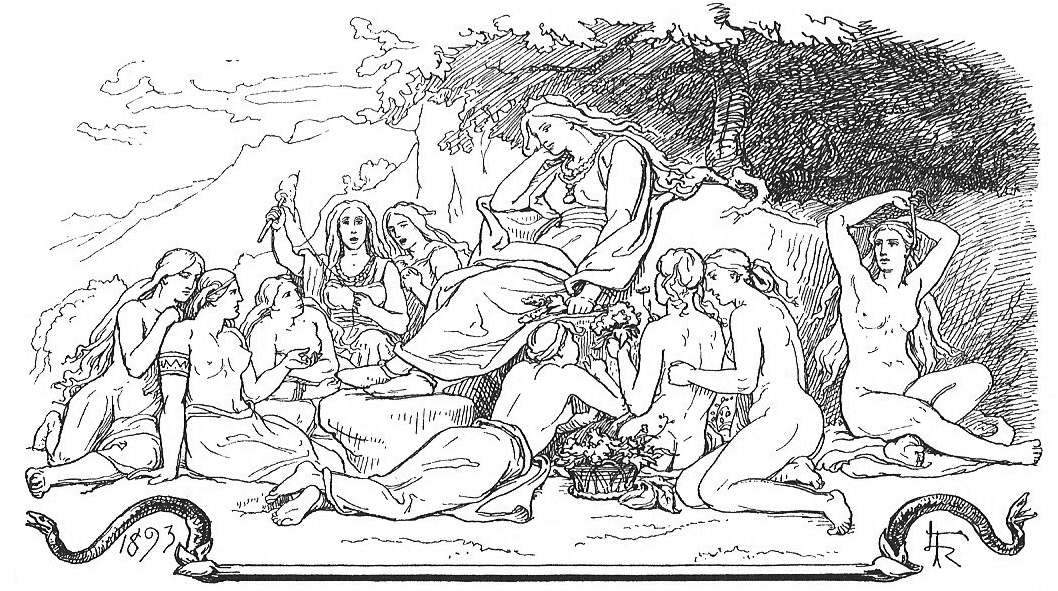
Name and attributes
The Old Norse word eir carries connotations of calm, help and mercy; this lexical meaning underpins how later writers described the figure. Eir is portrayed as having skill in remedies and medical arts rather than as a warrior or creator deity. Unlike better-attested gods, she has no elaborate surviving myths of deeds, temples, or cultic rites recorded in the main medieval sources.
Medieval sources and textual evidence
Mentions of Eir occur in lists and poetry rather than in long narratives. Snorri Sturluson lists her among goddesses and attributes to her skillful healing; other short name-lists and skaldic verses associate her with medicine or include her among valkyrie-names. Because these appearances are brief, scholars rely on comparative reading of texts and language to reconstruct her role. For introductions to the textual tradition see primary summaries and discussions of healing figures in Norse literature at specialist resources.
Role, interpretation and distinctions
There are a few common ways Eir is interpreted:
- Goddess of healing — a divine figure responsible for remedies and the restoration of health.
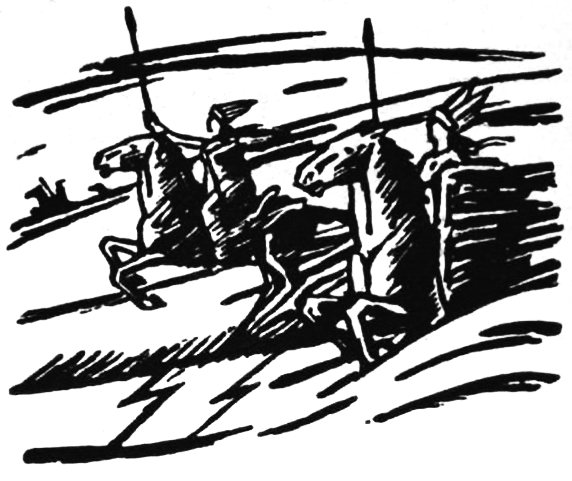
- Valkyrie or title — some lists place her among valkyrie-names, suggesting a role as a chooser or protector in battle contexts, or that the name could function as an epithet for female figures who aid the wounded.
- Cultural archetype — the name may represent an ideal healer used in charms, names, and medical language rather than a distinct cultic personality.
Legacy and modern reception
Because the historical record is slim, Eir has been adopted into modern literature, art, games and popular retellings as a convenient figure embodying Norse healing. Her name survives in given names and appears in modern neopagan and cultural contexts, often as a symbol of care and restoration. Scholars continue to debate whether she began as a distinct goddess, a functional epithet, or a poetic personification of mercy and medical skill.
Related articles
Author
AlegsaOnline.com Eir — Norse goddess of healing Leandro Alegsa
URL: https://en.alegsaonline.com/art/30495