
Echidna (Greek mythology)
Echidna, a chthonic monster in Greek myth often called the 'mother of monsters', is a half-woman, half-serpent figure whose offspring include many famous beasts defeated by heroes.
Overview
Echidna is a monstrous figure of ancient Greek tradition, commonly described as part woman and part snake. The name is sometimes linked to an original word meaning "snake" and appears in classical genealogies as a daughter or consort of primordial forces. She is best known in myth as a progenitor of many of the great monsters that confront Greek heroes and gods.
Image gallery
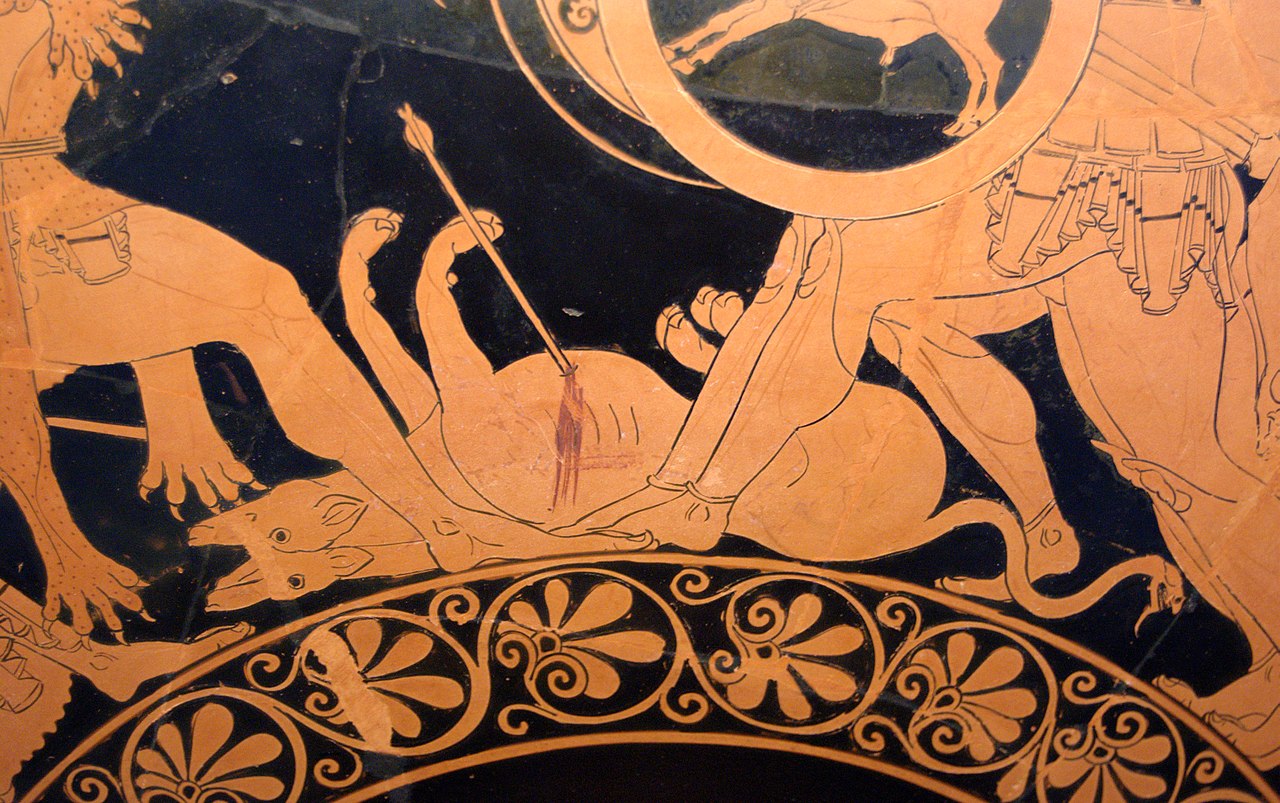
3 Images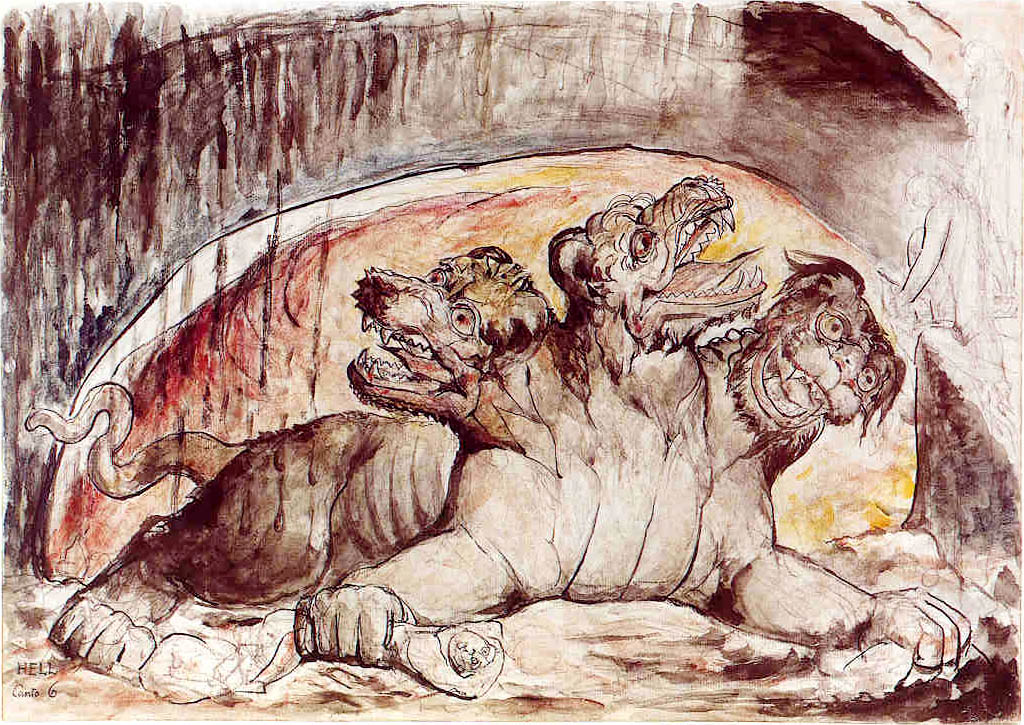

Appearance and attributes
In literary descriptions Echidna is portrayed with the upper body of a woman and the lower body of a serpent, combining human intelligence with chthonic, serpentine traits. This hybrid form marks her as a creature of the earth and the underworld rather than a typical Olympian being. Artistic representations are rare and vary; where she appears in vase painting or later art, emphasis is placed on her dual nature and on features that signal danger and otherness.
Parentage and sources
Ancient authors offer different accounts of Echidna's origins. One tradition names the sea deities Phorcys and Ceto as her parents, while an alternative genealogy ascribes her to primordial powers such as Tartarus and Gaia. Important early sources that discuss her include Hesiod and mythographical compilations preserved in later authors. In some versions she is paired with a monstrous consort whose own genealogy and fate are closely linked to hers.
Progeny and mythic role
Echidna's chief role in the mythic landscape is maternal: by a monstrous mate she produces a long list of dangerous creatures that populate the heroic cycle. Typical lists name offspring such as:
- Ladon, the serpent or dragon that guards the apples of the Hesperides;
- a great dragon associated with the Golden Fleece;
- the Chimera, a composite fire-breathing beast;
- Cerberus, the multi-headed hound of the underworld;
- the multi-headed Typhon is often consigned to the same monstrous generation in related accounts.
These offspring set the stage for many of the well-known labors and adventures of Greek heroes: the Hydra, the Nemean Lion, and similar foes are sometimes described as descended from this monstrous line, and heroes such as Heracles, Jason, and Perseus encounter and overcome members of this brood.
Interpretation and cultural significance
Scholars and readers have long read Echidna as a personification of the dangerous, untamed forces of the natural and subterranean world: a source of recurring threats that heroes must subdue to establish order. Because she belongs to the generation of primal monsters, she occupies a liminal place between earth, sea, and underworld. References to her appear in epic, didactic, and mythographic traditions where she is described with terms that mark her as a fearful creature or simply as a "monster" of remoter times.
Variations, confusions, and notable facts
Accounts differ about specifics: some authors emphasize an origin from the sea deities, others a chthonic parentage, and some conflate Echidna with other serpentine female monsters. Ancient sources such as Hesiod and later compilations present variant lineages and lists of offspring. Because many of the beasts tied to Echidna intersect with major heroic tales, she functions as a convenient mythic ancestor for disparate threats. Readers should note that descriptions calling her simply "half woman, half snake" summarize a range of overlapping traditions and artistic choices recorded across time (physical type). For etymological or contextual overviews see entries on the name and motif (name, Greek mythology) and discussions that relate her to other primeval forces such as Tartarus and Gaia or to the broader family of serpentine monsters (Typhon). For specific episodes and the roles of particular offspring, consult indexes and selections that treat individual beasts such as the Chimera or Cerberus in detail.
Significance: Echidna remains a compelling symbol of the mythic source of danger — the "mother of monsters" whose children populate the trials of heroes and whose figure ties together many strands of ancient storytelling.
Related articles
Author
AlegsaOnline.com Echidna (Greek mythology) Leandro Alegsa
URL: https://en.alegsaonline.com/art/29877