
Dunaliella salina — a salt‑tolerant microalga producing beta‑carotene and glycerol
Halophilic green microalga that thrives in hypersaline ponds, accumulates beta‑carotene and glycerol, and is cultivated for pigments, supplements and studies of extreme‑environment survival.
Overview
Dunaliella salina is a single‑celled, photosynthetic green alga (genus Dunaliella) renowned for extreme halotolerance. It commonly forms pink to orange blooms in hypersaline environments such as sea salt evaporation ponds and saline lakes. Few photosynthetic organisms tolerate the high salt levels where D. salina prospers; its physiology and ecology make it a model for studying salt adaptation and photoprotection. For broader context see microalgae and salt‑loving halophiles.
Image gallery
4 Images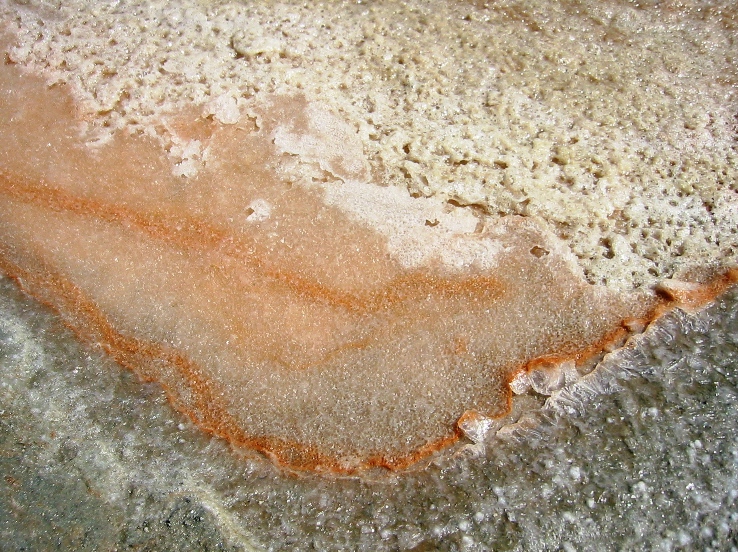


Morphology and physiology
Cells are typically motile with two flagella and lack a rigid cell wall, a trait that helps them cope with changing salinity. Two notable biochemical adaptations are the accumulation of carotenoid pigments—chiefly beta‑carotene—and high intracellular concentrations of compatible solutes such as glycerol. Beta‑carotene imparts orange to red coloration to dense blooms and acts as an antioxidant and light shield under intense irradiation. Glycerol acts as an osmoprotectant, balancing internal osmotic pressure without impairing cellular biochemistry; for basic information on glycerol’s role see glycerol.
Habitat and ecological role
D. salina occupies shallow, high‑salinity waters where few competitors persist. In those habitats it can form extensive surface layers that contribute primary production and support halophilic food webs, including microbial consortia and brine fauna such as Artemia (brine shrimp). Its blooms are familiar features of saltworks and hypersaline lakes and influence the optical and chemical environment of these ecosystems.
Commercial uses and cultivation
Because it produces large amounts of beta‑carotene, D. salina is cultivated commercially as a natural source of pigments, antioxidants and provitamin A. Applications include natural colorants for foods and cosmetics, ingredients for dietary supplements, and feed additives for aquaculture. Many producers also explore recovery of glycerol and other metabolites. For industry perspectives see resources on cosmetics and nutraceuticals.
- Cultivation methods range from open, shallow saline ponds that mimic natural conditions to closed photobioreactors that allow tighter control of light and nutrients.
- Production strategies often apply controlled stress (high light, nutrient limitation) to induce carotenoid accumulation before harvest.
- Extraction approaches include solvent extraction and advanced techniques developed to maximize pigment yield and purity.
Research, challenges and regulation
D. salina is studied for its stress physiology, carotenoid biosynthesis and potential for metabolic improvement. Challenges for large‑scale production include contamination control, cost‑effective harvesting and regulatory compliance. In many jurisdictions products derived from D. salina are used as food ingredients or cosmetic additives under established safety frameworks, but regulatory status can vary by country and application.
Outlook
Interest in D. salina continues because it links basic research on extremophiles with practical applications in sustainable pigment production and biotechnology. Ongoing work explores genetic, cultivation and processing improvements to make production more efficient and environmentally responsible. For introductory material on related topics consult general sources about halophiles, microalgae, commercial uses such as cosmetics, and the biochemical roles of glycerol.
Related articles
Author
AlegsaOnline.com Dunaliella salina — a salt‑tolerant microalga producing beta‑carotene and glycerol Leandro Alegsa
URL: https://en.alegsaonline.com/art/29206