
Ecdysozoa: the molting animals (arthropods, nematodes and allies)
Ecdysozoa is a major clade of protostome animals united by ecdysis (molting). It includes arthropods, nematodes and several smaller phyla and is supported by molecular and morphological evidence.
Overview
Ecdysozoa is a large grouping of protostome animals whose members grow by periodically shedding an external cuticle in a process called ecdysis. The name groups a variety of phyla that share this molting habit and related developmental features. Historically the concept also overlaps with assemblages called Cycloneuralia and other early-branching lineages.
Image gallery
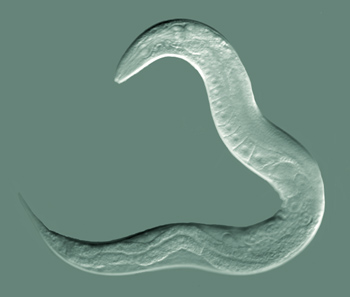
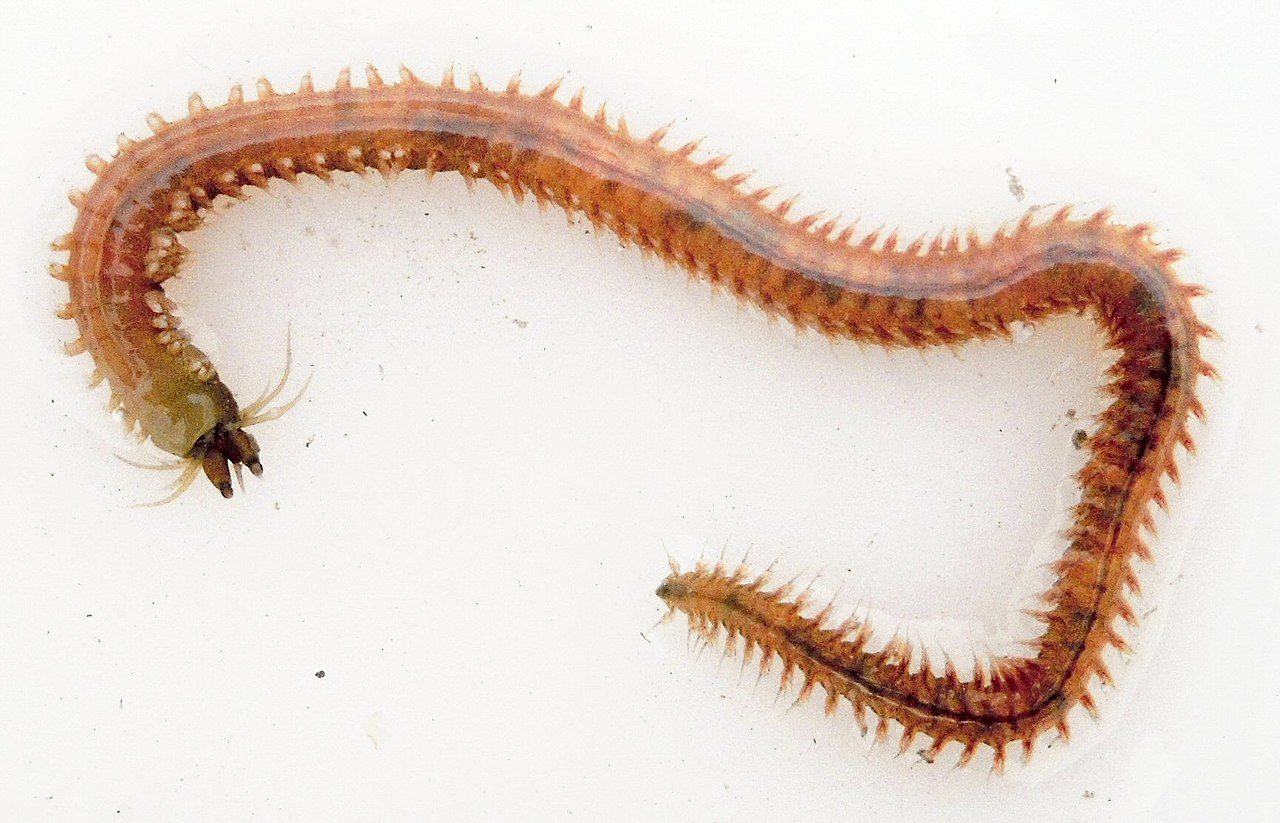
10 Images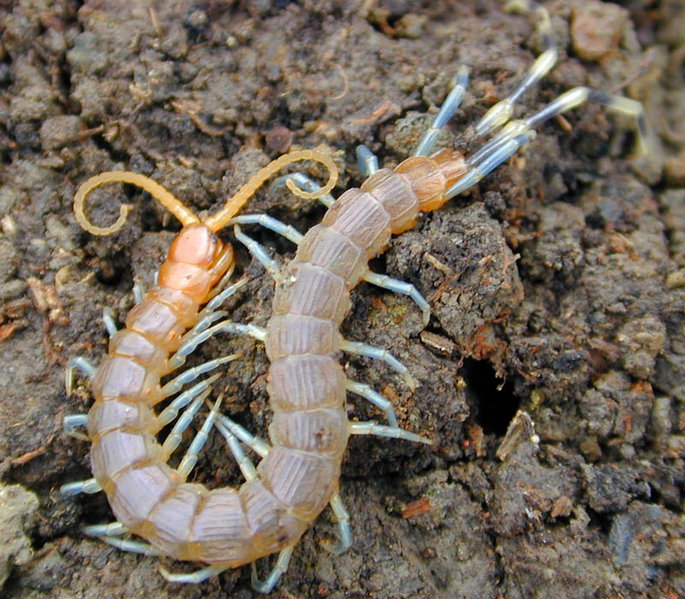





Defining features
The most conspicuous shared characteristic is the presence of a nonliving cuticle or exoskeleton that is periodically replaced. This molting distinguishes ecdysozoans from many other invertebrates. The clade is placed among the protostome animals and is ranked as a higher-level taxon above the level of phylum in many classifications. Molecular and developmental traits complement the anatomical signs of affinity.
Major groups
- Arthropoda — the largest phylum, including insects and crustaceans, with jointed limbs and segmented bodies.
- Nematoda — roundworms with a tough cuticle and unsegmented bodies.
- Smaller phyla and allied groups such as Tardigrada, Onychophora, Priapulida, Kinorhyncha and Loricifera, which together illustrate the anatomical and ecological diversity within Ecdysozoa.
History and evidence
The formal proposal of Ecdysozoa dates to the late 1990s when analyses of 18S ribosomal RNA first grouped these lineages in molecular phylogenies. Subsequent studies, including larger genomic and transcriptomic analyses, provided stronger support. The grouping is also reinforced by certain morphological and developmental similarities, notably the shared reliance on an outer cuticle and molting mechanism tied to growth and metamorphosis.
Ecological and practical importance
Ecdysozoans dominate many ecosystems: arthropods are the most diverse animal assemblage and are essential as pollinators, predators, decomposers and pests; nematodes are abundant in soils and aquatic habitats, influencing nutrient cycles and including species important in agriculture and human health. The common feature of an exoskeleton and molting has been a key innovation enabling diverse body plans and life histories.
Overall, Ecdysozoa unites a broad array of animals under a shared evolutionary innovation — ecdysis — and continues to be a focus of research into animal origins, development and diversity.
Related articles
Author
AlegsaOnline.com Ecdysozoa: the molting animals (arthropods, nematodes and allies) Leandro Alegsa
URL: https://en.alegsaonline.com/art/29864
Sources
- doi.org : 10.1098/rstb.2007.2243
- ncbi.nlm.nih.gov : 2614232
- pubmed.ncbi.nlm.nih.gov : 18192181
- rstb.royalsocietypublishing.org : rstb.royalsocietypublishing.org/cgi/pmidlookup?view=long&pmid=18192181
- doi.org : 10.1038/387489a0
- pubmed.ncbi.nlm.nih.gov : 9168109
- doi.org : 10.1038/nature06614
- pubmed.ncbi.nlm.nih.gov : 18322464
- nature.com : nature.com/articles/nature06614?error=cookies_not_supported&code=09d9a74c-db1e-475b-9747-…