
Ebola virus: overview, symptoms, transmission, history and prevention
Ebola virus (Ebolavirus) causes Ebola virus disease, a severe hemorrhagic fever. This article explains its biology, symptoms, transmission, history, public-health response, treatments and notable distinctions.
Overview
The term Ebola virus refers to members of the genus Ebolavirus in the family Filoviridae. Infection produces Ebola virus disease (EVD), a severe illness characterized by rapid onset of fever, weakness, gastrointestinal symptoms and, in many cases, bleeding. Case fatality rates recorded in outbreaks have varied widely—historically from about 25% to as high as 90%—depending on the virus species, availability of care and other factors.
Image gallery
8 Images



Characteristics and how it affects the body
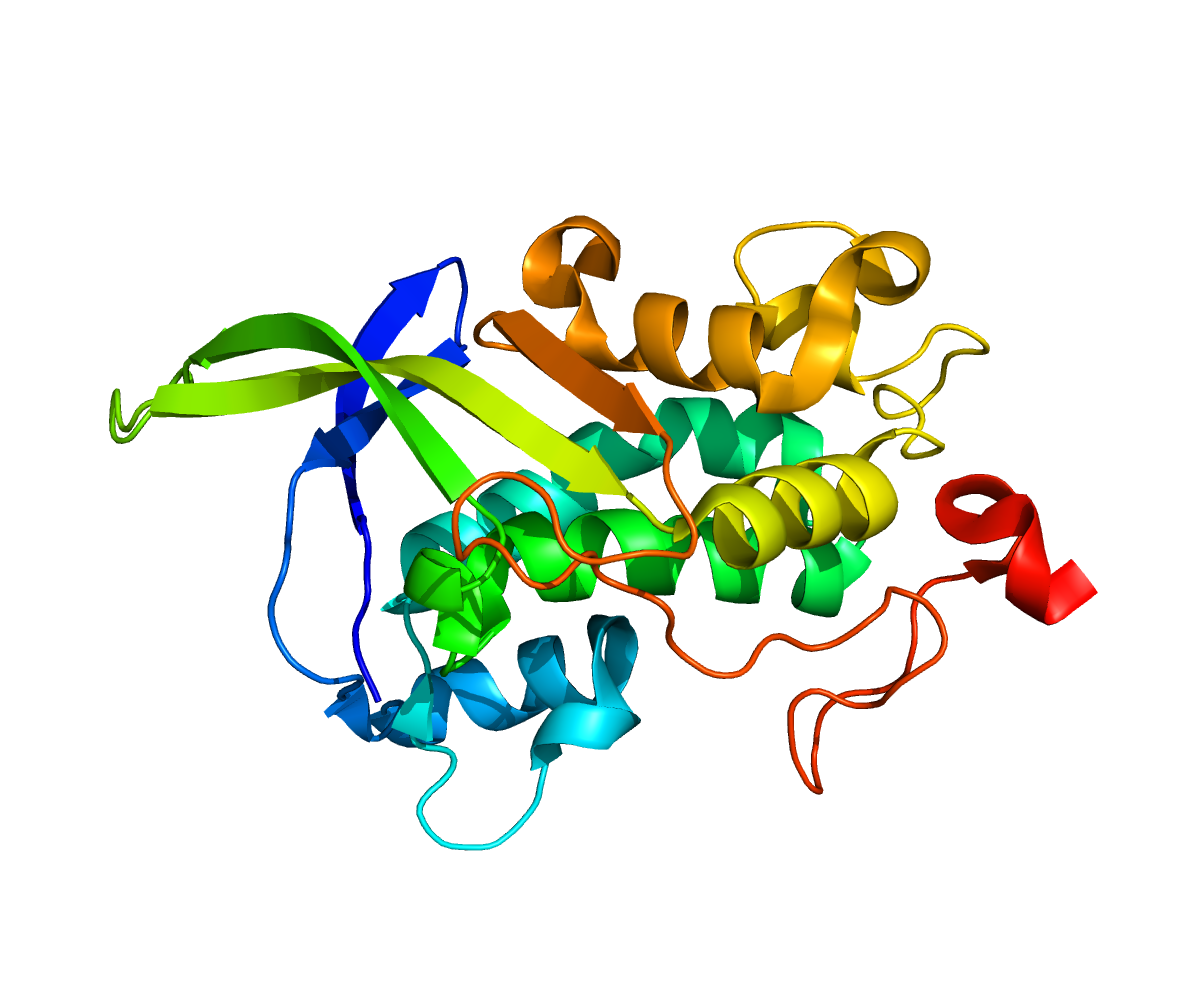
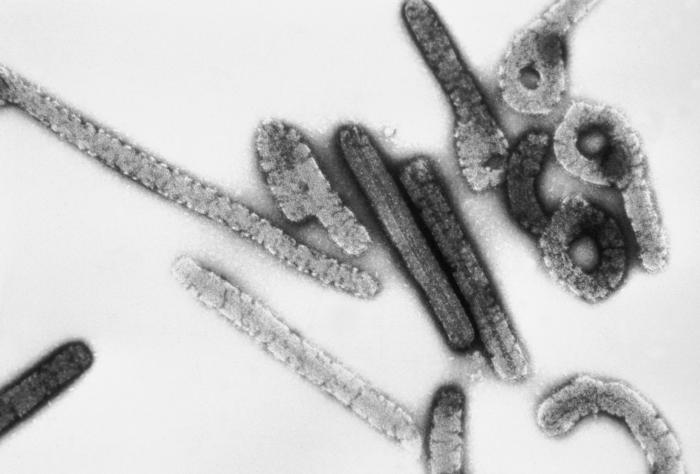
Ebolaviruses are filamentous, enveloped viruses with a single-stranded RNA genome. They target multiple cell types, including immune cells, vascular endothelium and some organ tissues, which can lead to widespread inflammation, impaired blood-clotting and multi-organ dysfunction. The clinical syndrome is often described as a viral hemorrhagic fever because bleeding from mucous membranes and sites of injury can occur, though not every patient bleeds externally.
Transmission and reservoirs
The virus is transmitted by direct contact with blood or other bodily fluids of symptomatic infected people, contaminated surfaces and materials, and through handling infected wild animals. Evidence points to certain fruit bats as the likely natural reservoir, with sporadic spillover events into humans and other mammals. Human-to-human spread occurs through close physical contact; routine airborne transmission has not been demonstrated.
History and major outbreaks
Ebola was first recognized in 1976 in simultaneous outbreaks in what is now the Democratic Republic of the Congo (near the Ebola River) and in Sudan. Since then, outbreaks have occurred periodically across central and western Africa. The 2013–2016 epidemic in West Africa was the largest recorded, prompting international responses and accelerated research into vaccines and therapies.
Diagnosis, treatment and prevention
Diagnosis relies on laboratory tests that detect viral RNA or specific antibodies. Treatment is principally supportive: fluid and electrolyte management, oxygen and blood pressure support, and treatment of complicating infections. In recent years, medical countermeasures have advanced: licensed vaccines and monoclonal antibody therapies have shown effectiveness against certain Ebola species. Public-health control depends on rapid case identification, isolation, safe clinical and burial practices, personal protective equipment for caregivers and rigorous contact tracing.
Notable distinctions and risks
Several Ebola virus species exist; some are more pathogenic in humans than others. The genus is closely related to Marburg virus, another filovirus with similar clinical features. Because of its high lethality, potential for outbreaks and severe social disruption, Ebola is a focus of global health preparedness even though most outbreaks are localized.
Further reading and resources
- Overview of Filoviridae and Ebolavirus
- Clinical features and case definitions
- Hemorrhagic fevers: comparison and symptoms
- Infection control and bleeding complications
- Pathogenesis and organ systems affected
- Tissue tropism and cellular targets
- Early outbreaks and discovery in 1976
- Geographic distribution and endemic regions
- History of international responses to outbreaks
- Guidance on vaccination, treatment and prevention
For clinical decisions and the latest outbreak information consult official public-health authorities and specialist guidance. The links above point to authoritative resources and further reading on epidemiology, laboratory diagnosis, and modern therapeutic approaches.
Questions and answers
Q: What is Ebola virus?
A: Ebola virus, or Ebola virus disease (EVD), is a very dangerous virus that belongs to the family Filoviridae.
Q: How many types of Ebola virus are there?
A: There are four different types of Ebola virus.
Q: What kind of symptoms does an infection with the Ebola virus cause?
A: An infection with the Ebola virus causes hemorrhagic fever which starts suddenly and can lead to bleeding both inside and outside of the body. It also attacks almost every organ and tissue in the human body, causing multiple organs to fail at once.
Q: How deadly is an infection with the Ebola virus?
A: Out of every 100 people who get infected with the Ebola virus, on average 25 to 90 die from it.
Q: Where was the first case of Ebola found?
A: The first case of Ebolavirus was found in Sudan.
Q: Where is it mostly found today? A: Today, it is mostly found in Africa, although there have been very few cases reported in Europe and the United States.
Related articles
Author
AlegsaOnline.com Ebola virus: overview, symptoms, transmission, history and prevention Leandro Alegsa
URL: https://en.alegsaonline.com/art/29842