
Earliest known life forms on Earth
Survey of the oldest evidence for life on Earth: fossil, chemical and geological signs, proposed timelines, habitats where early organisms lived, and implications for origins and astrobiology.
The study of Earth's earliest life examines physical and chemical traces left by ancient organisms. The best-preserved direct evidence comes from fossilized microbial remains and layered structures interpreted as microbial mats. These discoveries—often described as the earliest known life forms—combine field observations, microscopy and geochemistry to distinguish biological patterns from abiotic structures. Broadly known examples include microscopic fossil remains and stromatolite-like formations.
Image gallery
10 Images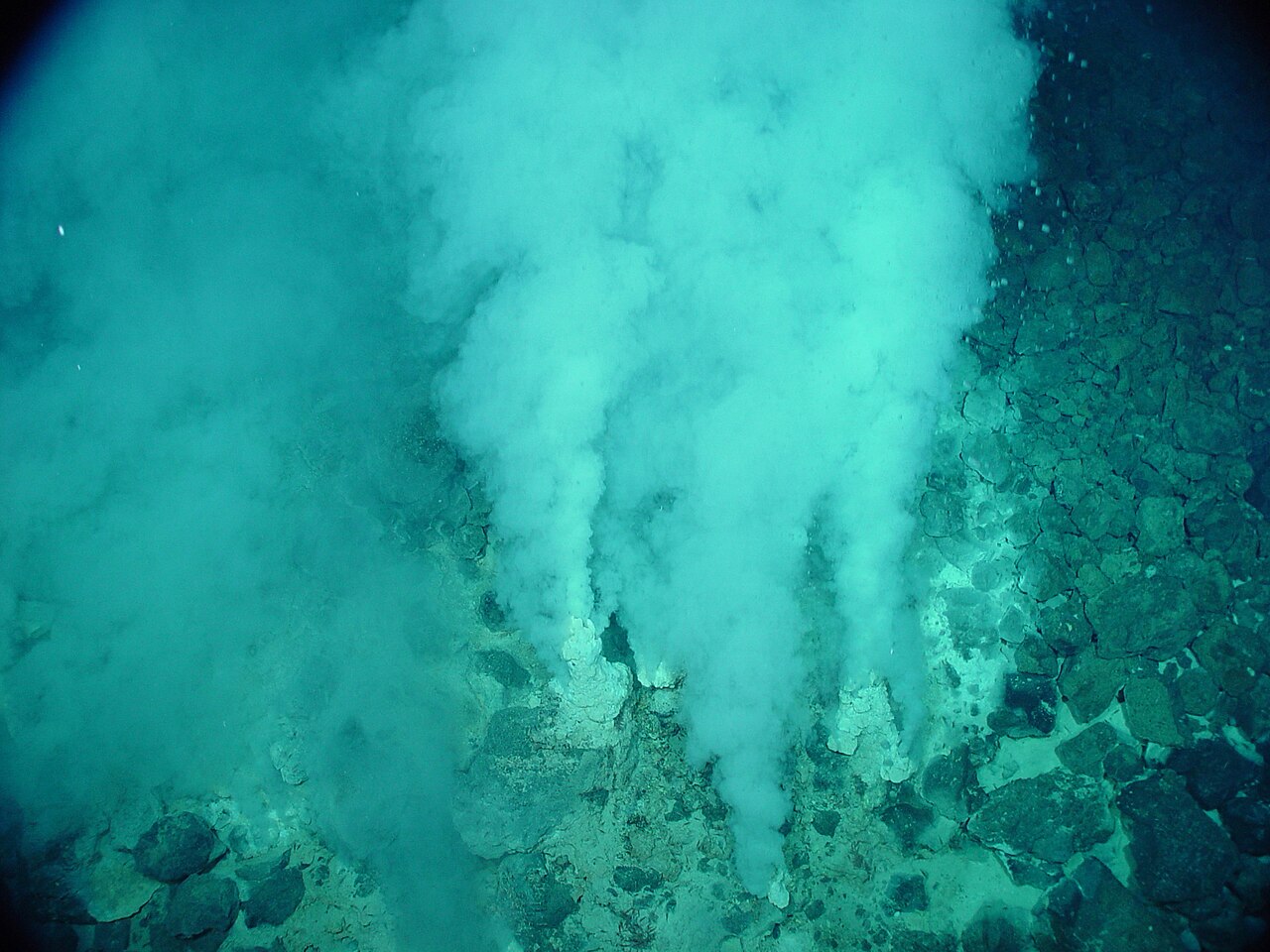





Types of evidence
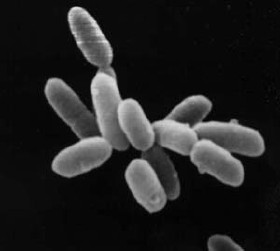
- Microfossils: Tiny mineralized shapes that resemble single-celled microorganisms and are preserved in ancient rocks; these are commonly called fossils of early life.
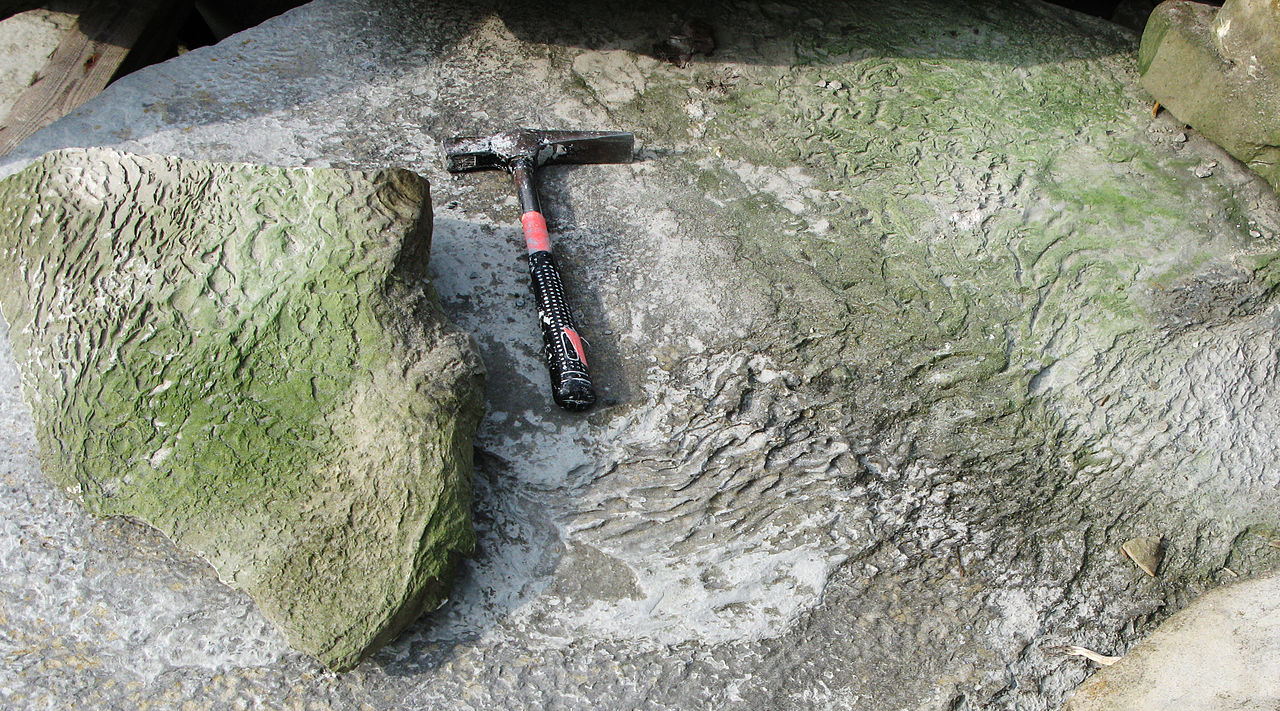
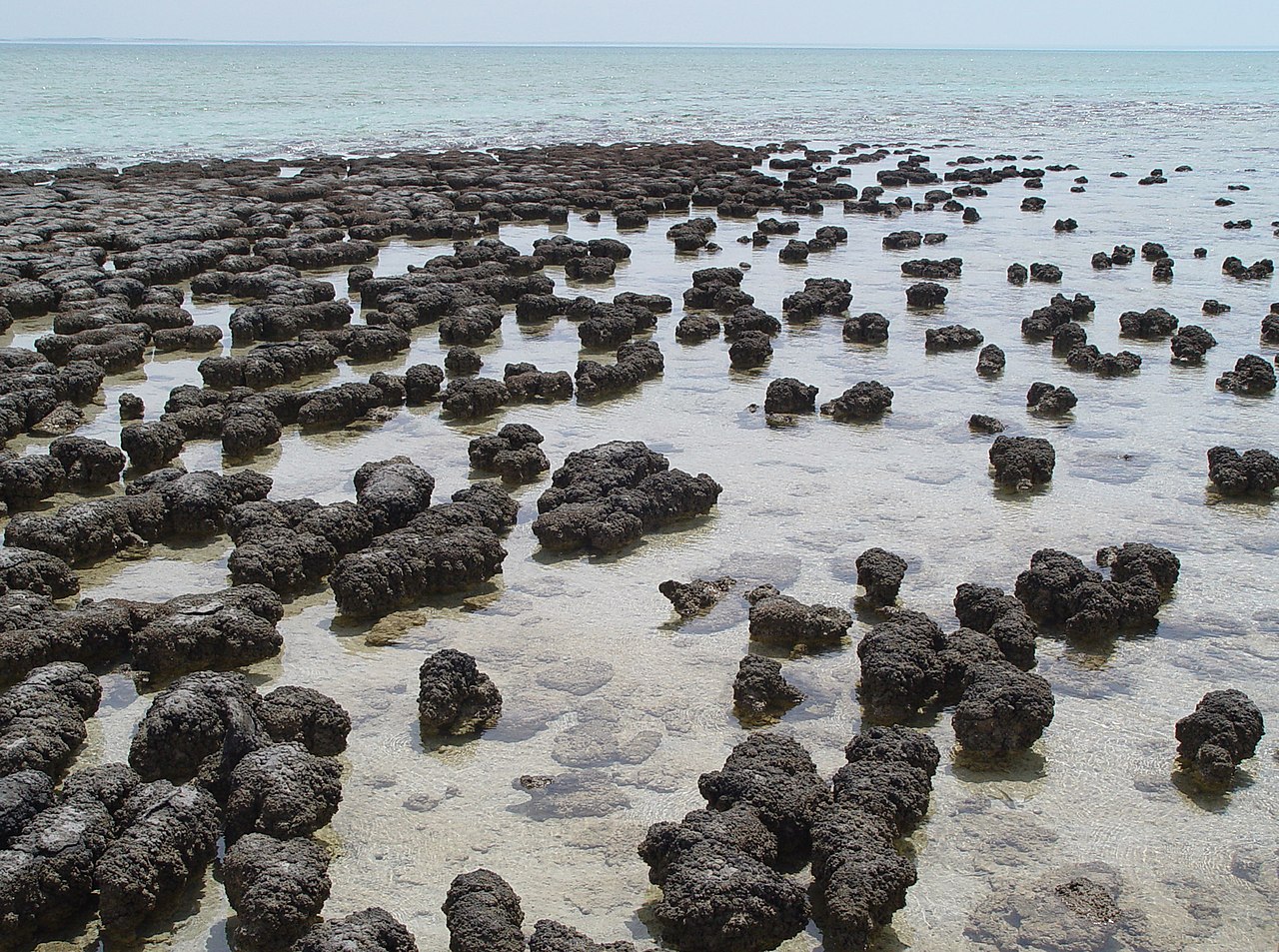
- Stromatolites and layered mats: Wavy, layered rock structures thought to form where microbial communities trap sediment; classic examples are found in Western Australia.
- Chemical biosignatures: Isotopic ratios (for example carbon fractionation) and organic residues that are difficult to explain without biological activity.
- Contextual geology: Dating of host rocks and evidence for ancient oceans or habitable conditions support biological interpretations.
One of the most cited finds is microfossil and stromatolitic material dated to roughly 3.4–3.5 billion years ago, preserved in several ancient terranes. These materials are often presented as convincing records of early life, but interpretation always depends on careful analysis of the rocks and their chemistry. Some researchers have argued for even earlier biological activity; certain studies propose that life could have arisen within a few hundred million years of the formation of Earth, though such early claims remain debated.
Defining what counts as a "life form" in the distant past requires working definitions. In modern terms, a life form is a living organism capable of metabolism, growth and replication. Estimates of global biodiversity vary widely—published figures range from about 14 million described species to speculative totals approaching one trillion when microorganisms and undiscovered taxa are included—while over 99% of species that ever existed are thought to be extinct. These numbers highlight the vastness and turnover of life through Earth's history.
Early life likely occupied a range of habitats. Microbial communities thrive in the deep subsurface, in hydrothermal systems, and in shallow marine settings where nutrients and energy were available. Modern extremophiles show how life can persist under extremes of temperature, pressure and chemistry; microbes are so adaptable they have been detected deep underground and throughout the ocean column, and experiments demonstrate that some can survive extreme vacuum and radiation conditions—findings that inform studies of life's survival in space. The resilience of microbes shapes hypotheses about where life might have started and how it spread.
Importance and ongoing questions
Research into the earliest life forms has scientific and practical importance. It informs models for the origin of life, identifies environments that could support biology on other planets, and refines geologic dating methods. Key open questions include exactly when life first appeared, whether the last universal common ancestor (LUCA) was already complex, and which environments were most favorable for life's origin. Answers rely on integrating paleontology, isotope geochemistry, sedimentology and molecular biology, and on new discoveries in ancient rock formations and high-resolution laboratory analyses.
Because evidence is sparse and often altered by billions of years of geology, claims of the oldest life are treated cautiously. Ongoing fieldwork in ancient terrains, laboratory improvements in detecting biogenic signatures, and comparative studies of modern microbial ecosystems continue to refine our picture of Earth's earliest biosphere. For further reading and datasets, see targeted resources on the major discoveries and debates, including compilations that summarize key fossil finds and chemical evidence (fossil records, species estimates, and historical reviews).
Selected additional links: microbial life overview, Pilbara and Australian records, definitions of life, early oceans evidence, Earth formation timeline, organism concepts, biodiversity estimates, extinction rates, astrobiology implications.
Questions and answers
Q: What are the earliest known life forms found on Earth?
A: The earliest known life forms found on Earth are fossils of microorganisms in 3.46 billion year old rocks in Western Australia.
Q: When did oceans form on Earth?
A: Oceans formed on Earth 4.41 billion years ago.
Q: How long after the formation of the Earth did life forms first appear?
A: Life forms may have first appeared as early as 4.28 billion years after the formation of the Earth, which occurred 4.54 billion years ago.
Q: What is a life form?
A: A life form, or lifeform, is an organism that is living.
Q: How many species of life forms are thought to exist on Earth?
A: Estimates of the number of species of life forms on Earth range from 14 million, to as many as 1 trillion species.
Q: How many species of life forms that have ever lived on Earth are thought to be extinct?
A: More than 99% of all species of life forms that have ever lived on Earth are thought to be extinct.
Q: Where can we find evidence for existing and past-existing organisms?
A: Life forms may be found everywhere on Earth, including underground, possibly at least 12 miles deep underground; in the deepest parts of the oceans; at least 47 miles high in the atmosphere; and under test conditions it survives even in outer space vacuum conditions.
Related articles
Author
AlegsaOnline.com Earliest known life forms on Earth Leandro Alegsa
URL: https://en.alegsaonline.com/art/29543
Sources
- news.wisc.edu : "Oldest fossils ever found show life on Earth began before 3.5 billion years ago"
- nature.com : "Integrated genomic and fossil evidence illuminates life's early evolution and eukaryote origin"
- nsf.gov : "Researchers find that Earth may be home to 1 trillion species"
- books.google.com : The Biology of Rarity: Causes and consequences of rare—common differences
- nytimes.com : "Deep Beneath Your Feet, They Live in the Octillions - The real journey to the center of the Earth has begun, and scientists are discovering subsurface microbial beings that shake up what we think we know about life"
- astrobio.net : "Life might thrive a dozen miles beneath Earth's surface"
- blogs.scientificamerican.com : "Did Life from Earth Escape the Solar System Eons Ago? - There's no proof that it happened—but it's not impossible"
- gizmodo.com : "Alarming Study Indicates Why Certain Bacteria Are More Resistant to Drugs in Space"
- livescience.com : "Microbes Thrive in Deepest Spot on Earth"
- nature.com : nature.com/articles/nature21377
- phys.org : "Oldest evidence of life on land found in 3.48-billion-year-old Australian rocks"
- arxiv.org : 1711.01895
- ui.adsabs.harvard.edu : 2017AsBio..17.1274B
- doi.org : 10.1089/ast.2017.1662
- apnews.com : "Hints of life on what was thought to be desolate early Earth"