
Duodenum — the first segment of the small intestine
The duodenum is the initial short section of the small intestine where most chemical digestion begins; it receives bile and pancreatic secretions, neutralizes gastric acid, and begins nutrient absorption.
Overview
The duodenum is the initial portion of the small intestine, connecting the stomach to the jejunum. It is relatively short and fixed in position compared with more distal bowel, and it plays a central role in mixing chyme with digestive secretions so that macronutrients and some minerals can be broken down for absorption.
Image gallery
10 Images




Anatomy and parts
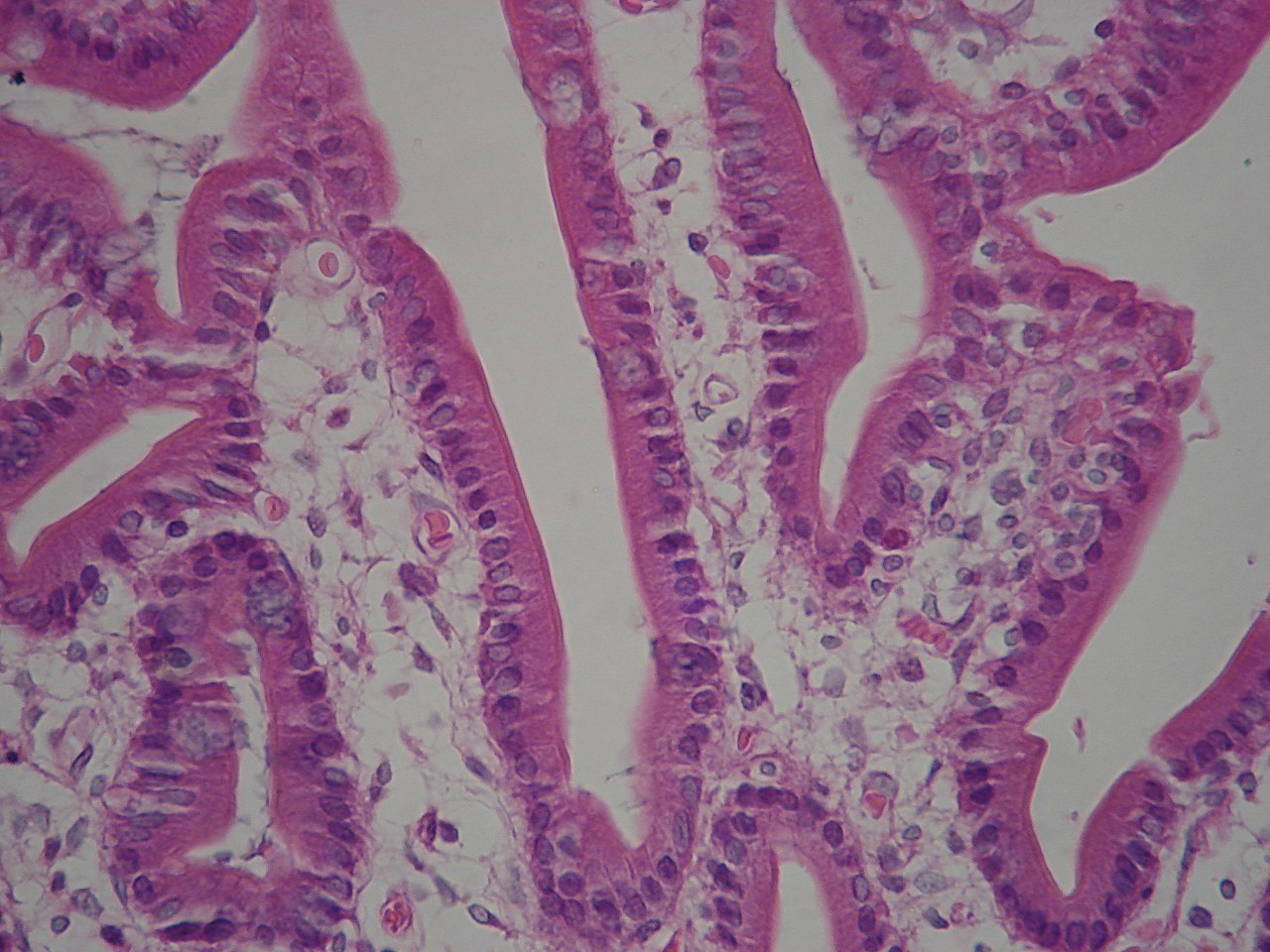
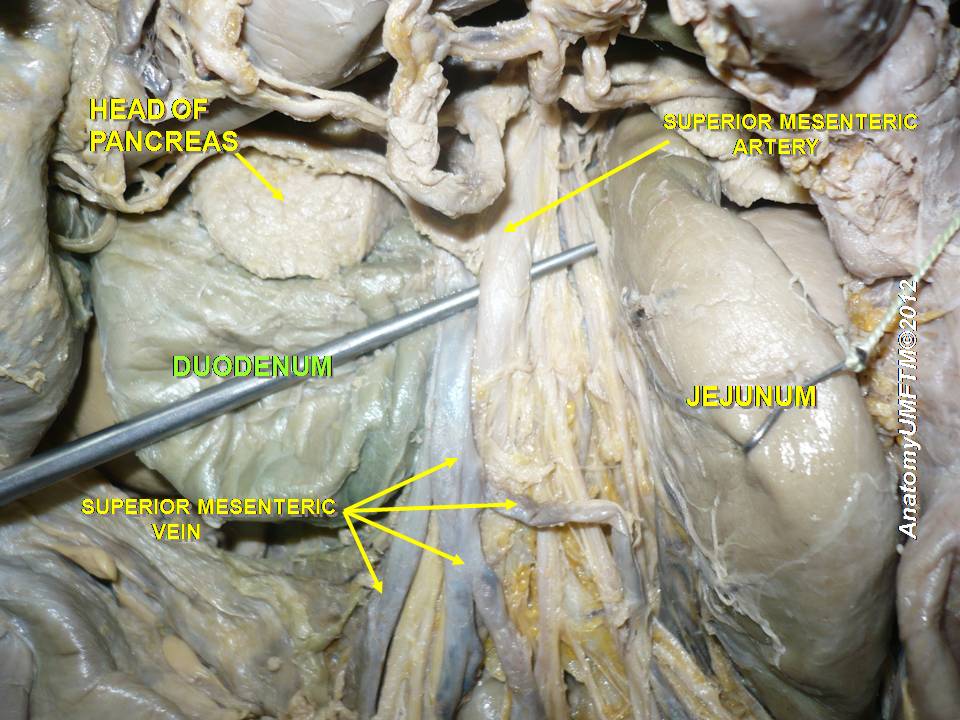
Classically the duodenum is divided into four parts (superior, descending, horizontal, and ascending). The descending limb contains the major and minor duodenal papillae where external secretions enter. Specialized glands in the submucosa — notably Brunner's glands — secrete alkaline mucus to protect the mucosa and help control luminal pH.
Function and secretions
The duodenum receives several important secretions: intestinal mucus and enzymes, and exocrine fluids delivered from the pancreas and the liver. Bile from the liver and gallbladder helps emulsify fats, while pancreatic juice supplies digestive enzymes that break down proteins, carbohydrates and lipids. Medical descriptions often note that these combined secretions limit and neutralise stomach acidity to create a suitable environment for enzyme activity.
Conduits and control
Pancreatic and bile flow reach the duodenal lumen via the pancreatic and common bile ducts, which join at or near the duodenal papilla. The pancreas provides enzymes and bicarbonate (pancreatic secretions) while the liver produces bile that is stored in the gallbladder between meals. Additional duodenal and pancreatic signalling coordinates timing of secretion and gut motility; local hormones such as secretin and cholecystokinin participate in that regulation.
Physiology, digestion and absorption
In the duodenum, luminal enzymes and brush-border enzymes complete much of the chemical digestion begun in the stomach. Carbohydrates are further broken into simple sugars, proteins into peptides and amino acids, and lipids into fatty acids and monoglycerides with the aid of bile. The duodenum also contributes to early absorption of iron and calcium and prepares nutrients for downstream uptake in the jejunum and ileum.
Clinical relevance and disorders
The duodenum is the site of common clinical problems, including peptic (duodenal) ulcers, inflammatory conditions, congenital anomalies and obstructive lesions. Its proximity to the pancreas and biliary tract links duodenal disease with pancreatobiliary disorders. Endoscopic and surgical approaches often target the duodenum for diagnosis and treatment.
For introductory material on intestinal structure and physiology see general resources on the digestive secretions and digestive system. More detailed anatomical and clinical references discuss the papillae and ductal anatomy in context of surgical and radiologic procedures (small intestine anatomy overview).
Related articles
Author
AlegsaOnline.com Duodenum — the first segment of the small intestine Leandro Alegsa
URL: https://en.alegsaonline.com/art/29271