
Duct tape: overview, construction, history and common uses
Duct tape is a strong, cloth-backed adhesive tape used for temporary repairs, crafts and sealing. This article explains its materials, origin, typical uses, limitations and cultural role.
Overview
Duct tape is a strong, pressure-sensitive adhesive tape with a cloth or fabric backing and a polyethylene or similar outer coating. Known colloquially as "duck tape," it is sold in a wide range of colors and patterns but is most commonly grey or silver. Its combination of flexible cloth reinforcement and aggressive adhesive makes it useful for quick repairs, bundling, and craft projects. For a general reference on adhesive materials see adhesive tape.
Image gallery
7 Images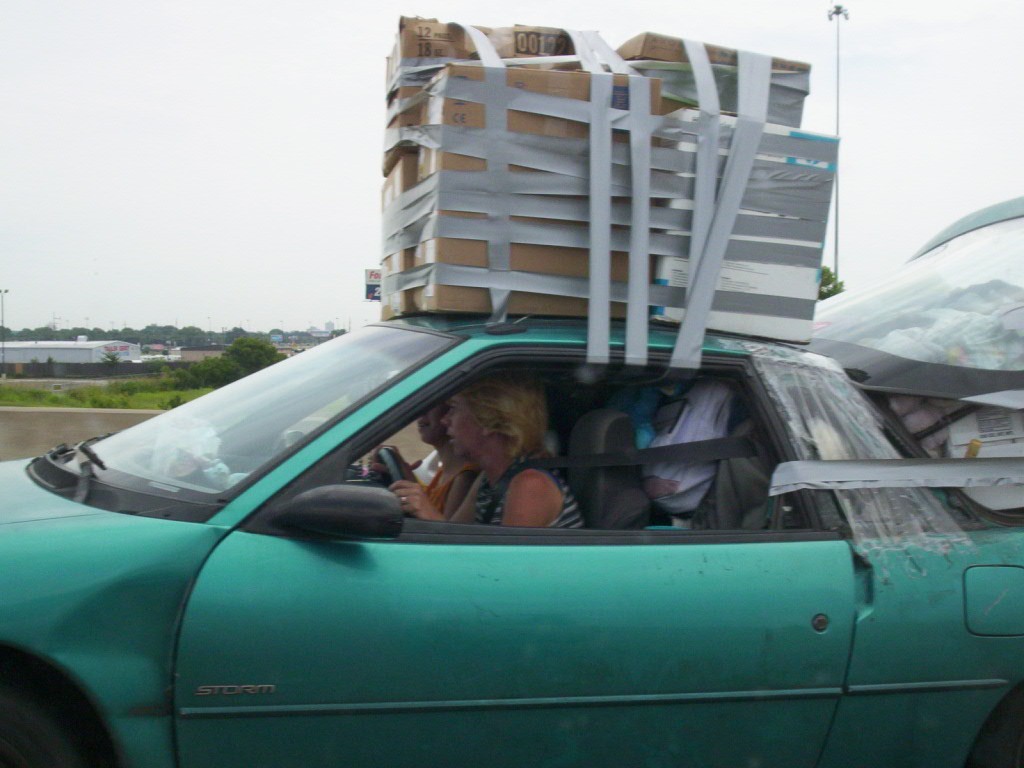


Construction and characteristic properties
Typical duct tape consists of three layers: a waterproof outer film, a fabric scrim that provides tensile strength, and a rubber-based or synthetic adhesive. The cloth layer lets the tape tear easily by hand in one direction while providing durability. Variants are available that prioritize weather resistance, high-temperature performance, electrical insulation, or decorative appearance. Examples of aesthetic varieties include transparent, colored and patterned tapes; popular color options can be viewed via color and style samples. Small repairs or creative projects often rely on its balance of strength and flexibility (craft uses).
History and development
The tape's origins trace to military needs in the mid-20th century, when manufacturers developed a waterproof, cloth-backed tape to seal ammunition cases and other supplies. That early waterproof material earned the nickname "duck tape" from the cloth known as cotton duck and from its water-repellent qualities. Over time consumer variants and brand names appeared and the product spread into civilian use. For background on early military applications see historical notes and discussions about wartime manufacturing innovations at manufacturing history and military supply. The informal claim that it will stick in winds up to a specific speed is part of popular lore; for such anecdotes see popular accounts.
Common uses and examples
Duct tape is widely used for temporary repairs on items such as luggage, furniture, hoses and tools, and it is popular in outdoor and emergency kits. It is also used for bundling cables, securing tarps, and creating quick seals. Beyond repairs, makers use it to construct wallets, costumes and even small sculptures; tutorials and galleries appear on many craft sites (DIY projects). In film and television it is sometimes shown being used to restrain characters, reflecting its ability to adhere to fabric and skin (media examples).
Limitations, safety and regulatory notes
Despite its name, standard duct tape is not intended as a permanent solution for HVAC duct sealing; building codes and professional trades favor specialized duct mastic or foil-backed tapes. Some jurisdictions and codes advise against using ordinary cloth-backed tape on air-handling ducts; see regulatory guidance at local codes, and technical advisories from professional organizations at industry guidance and code references. Other limitations include reduced adhesion on oily or dusty surfaces, degradation from prolonged sunlight exposure, and difficulty removing residue without damage.
Cultural impact and alternatives
Duct tape has become a cultural icon of makeshift ingenuity: workshops, survivalists and artists celebrate its versatility. Official brand names and marketing have turned the material into a hobbyist medium, spurring clubs, contests and art exhibitions. When a longer-lasting or code-compliant solution is required, alternatives include silicone sealants, butyl tapes, foil-backed HVAC tape, gaffer tape for entertainment production, and electrical tape for wiring. For further reading on comparative products and recommended uses consult manufacturer or trade resources at product guidance.
- Key attributes: strength, flexibility, ease of tearing by hand.
- Typical downsides: residue, weathering, not suited for permanent ductwork sealing.
- Creative uses: fashioning wallets, art pieces, temporary repairs and prototypes.
Related articles
Author
AlegsaOnline.com Duct tape: overview, construction, history and common uses Leandro Alegsa
URL: https://en.alegsaonline.com/art/29127