
Dye-sublimation printer: principles, applications, and comparison to other photo printers
Overview of dye-sublimation printing (dye‑sub): thermal transfer process, consumables, typical uses, image characteristics, benefits and limitations, and comparisons with inkjet and thermal‑transfer systems.
Overview
A dye-sublimation printer, often abbreviated dye‑sub, is a thermal transfer device used chiefly for photographic and specialty printing. Instead of applying liquid droplets or toner particles, dye‑sublimation systems use heat to turn solid dye on a carrier film into a gas that permeates a specially coated receiving material. The outcome is usually continuous‑tone images with smooth gradients and a photographic look. For a basic framing of printer types and how dye‑sub fits in, see general printer classifications at printer classifications.
Image gallery
3 Images

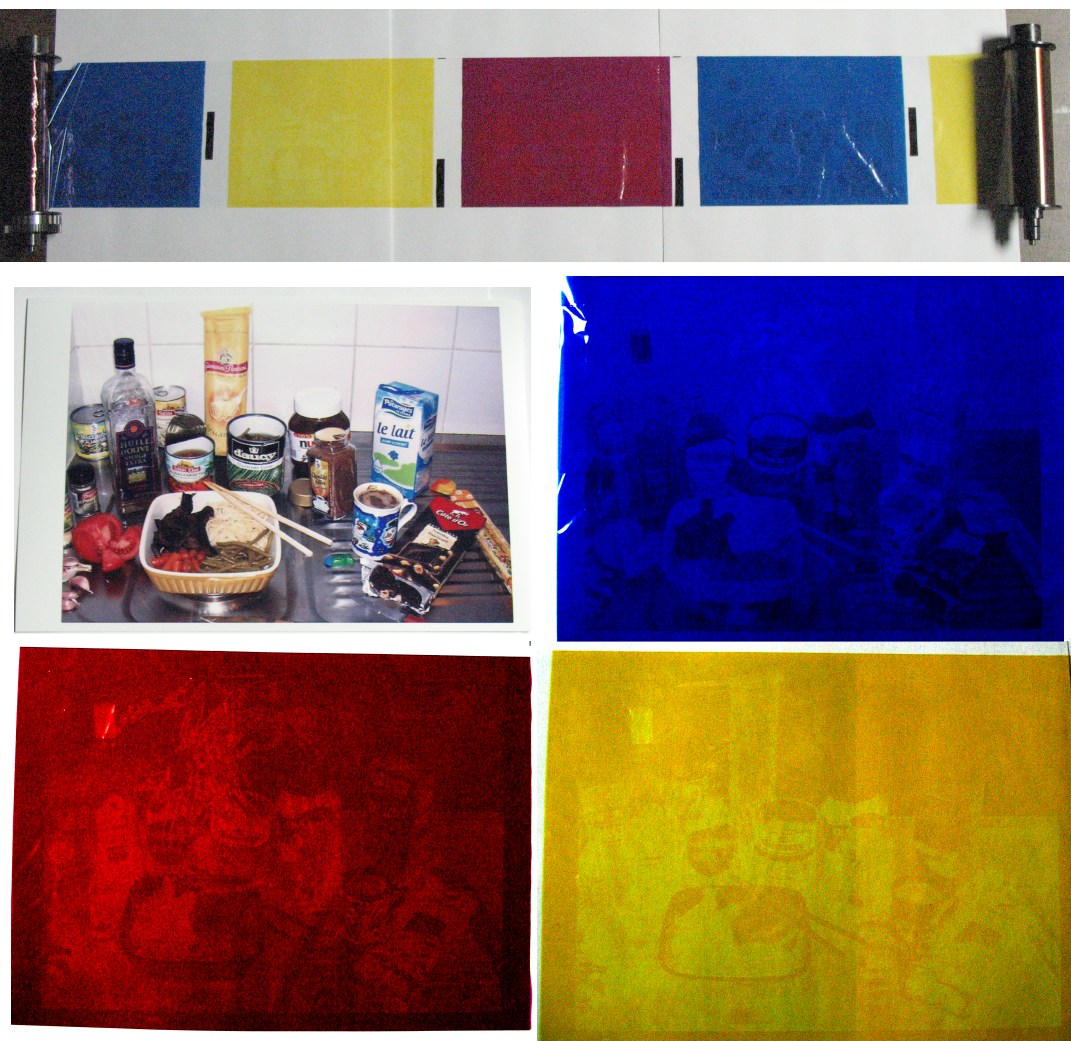
How the process works
Typical dye‑sublimation photo printers use a ribbon or film containing sequential color panels sized to the print. The most common sequence applies cyan, magenta and yellow layers; many systems then add a clear protective overcoat. A thermal head selectively heats areas of the ribbon so that the solid dye sublimates and transfers into the paper's coating. The dyes bond to the coating and solidify on cooling, producing continuous color transitions without halftone dot patterns. Manufacturer technical summaries provide more detail on ribbon construction and thermal control; see a technical overview at technical overviews.
Materials and consumables
- Ribbons and films: Precut ribbons or cartridges contain color panels and often an overcoat panel. Each print consumes multiple panels, which affects running cost.
- Receiving media: Specially coated papers or polymer substrates are required so gaseous dyes can penetrate and bond; ordinary uncoated paper is unsuitable.
- Textile transfer papers: For fabric printing, specially formulated inks and transfer papers are used; the transfer to polyester or polymer‑coated substrates normally requires heat and pressure.
For compatibility lists, supplies and consumables consult manufacturer resources or verified suppliers at compatible supplies.
Image characteristics and uses
Dye‑sub prints are prized for smooth tonal gradations, neutral gray rendering, and lack of visible dot structure common to halftone inkjet prints. These qualities make dye‑sub suitable for on‑demand 4×6 and 5×7 photo printing, ID and badge production, event photo booths, proofing, and certain product personalization tasks. Industrial and wide‑format dye‑sublimation systems are also used for soft signage and textile printing where the inks and substrates are engineered for durability and washability. Examples of application areas include consumer photo labs, retail kiosks and textile decoration; see application examples at application examples.
Advantages
- Continuous‑tone, photographic appearance with smooth color transitions.
- Durable surface when a protective overcoat is applied; prints resist fingerprints and light scuffing better than some untreated inkjet prints.
- Predictable output on matched media because the dyes and coatings are designed to work together.
Limitations and operational considerations
Cost per print is higher than many inkjet alternatives because each print consumes multiple ribbon panels and often a separate overcoat. Throughput for multiple copies can be slower than high‑speed inkjet or laser devices since colors are applied in sequential passes. The technology requires compatible media or polyester content on textiles; dye‑sub will not bond well to uncoated papers or many rigid substrates without special treatment. Environmental factors such as heat and prolonged light exposure affect longevity and should be considered when choosing dyes and overcoats.
Comparison with other printing technologies
Dye‑sublimation differs from inkjet printing, which deposits liquid droplets (either dye or pigment based) onto paper, and from thermal‑transfer label printers that use wax or resin ribbons to melt material onto a substrate. Dye‑sub tends to produce smoother photographic results on its designed media but is less flexible for general‑purpose printing and can have higher consumable costs. For neutral, feature‑by‑feature comparisons see printer comparison guides at printer comparison guides.
Maintenance, color management and longevity
Routine maintenance is generally limited to cleaning the thermal head and ensuring proper handling of ribbons and media. Color management practices such as using manufacturer ICC profiles and controlled lighting conditions help achieve consistent results across devices and batches. Print longevity depends on dye chemistry, the presence and quality of an overcoat, and storage/display conditions; certified lightfastness figures vary by supplier, so consult product literature when permanence is critical.
Buying and selection tips
- Match the printer to the intended media and volume: portable kiosks and compact units are optimized for consumer photo sizes, while larger dye‑sub systems target textile or wide‑format applications.
- Consider total cost of ownership: ribbon and paper costs, expected yield, and service availability often matter more than the initial purchase price.
- Check for available color profiles and support for your workflow, and request sample prints when color fidelity is important.
In summary, dye‑sublimation printers offer a distinctive balance of photographic quality and durable output on compatible media. They are best chosen when smooth tonal reproduction and a photographic finish are priorities and when the consumable and substrate requirements align with the intended application.
Questions and answers
Q: What is a dye-sublimation printer?
A: A dye-sublimation printer (or dye-sub printer) is a high quality computer printer that uses heat to make coloured images.
Q: What kind of ink is used in a dye-sublimation printer?
A: The ink is held on cellophane sheets that are the same size as the paper. Each image uses 4 sheets - 3 ink sheets Cyan, Magenta and Yellow and a clear sheet.
Q: What size ink sheets are used in a 6" x 4" printer?
A: A 6" x 4" printer would use 6" x 4" ink sheets.
Q: Why does making multiple images take a long time on a dye-sublimation printer?
A: Since each sheet of ink is printed one at a time, making multiple images takes a long time.
Q: Are the images produced by a dye-sublimation printer of high quality?
A: Yes, the images are very high quality.
Q: Are dye-sublimation prints expensive?
A: Yes, they are expensive because they waste a lot of ink.
Q: Are there specific types of paper available for sublimation printing?
A: Yes, there are specific types of paper available in the market designed for sublimation printing.
Related articles
Author
AlegsaOnline.com Dye-sublimation printer: principles, applications, and comparison to other photo printers Leandro Alegsa
URL: https://en.alegsaonline.com/art/29406