
Chair — forms, parts, history, and common uses
A chair is a raised seat for one person. This article explains common parts, materials, types, historical development, and practical distinctions like stools, benches and sofas.
A chair is a piece of furniture designed to provide a raised, supported place for a single person to sit. Chairs serve both practical and symbolic roles in homes, workplaces and public spaces. They are commonly classified by their form and function rather than by a single material: wood, metal, plastic, fabric and combinations are all widely used. For a broader context of furniture, see furniture.
Image gallery
10 Images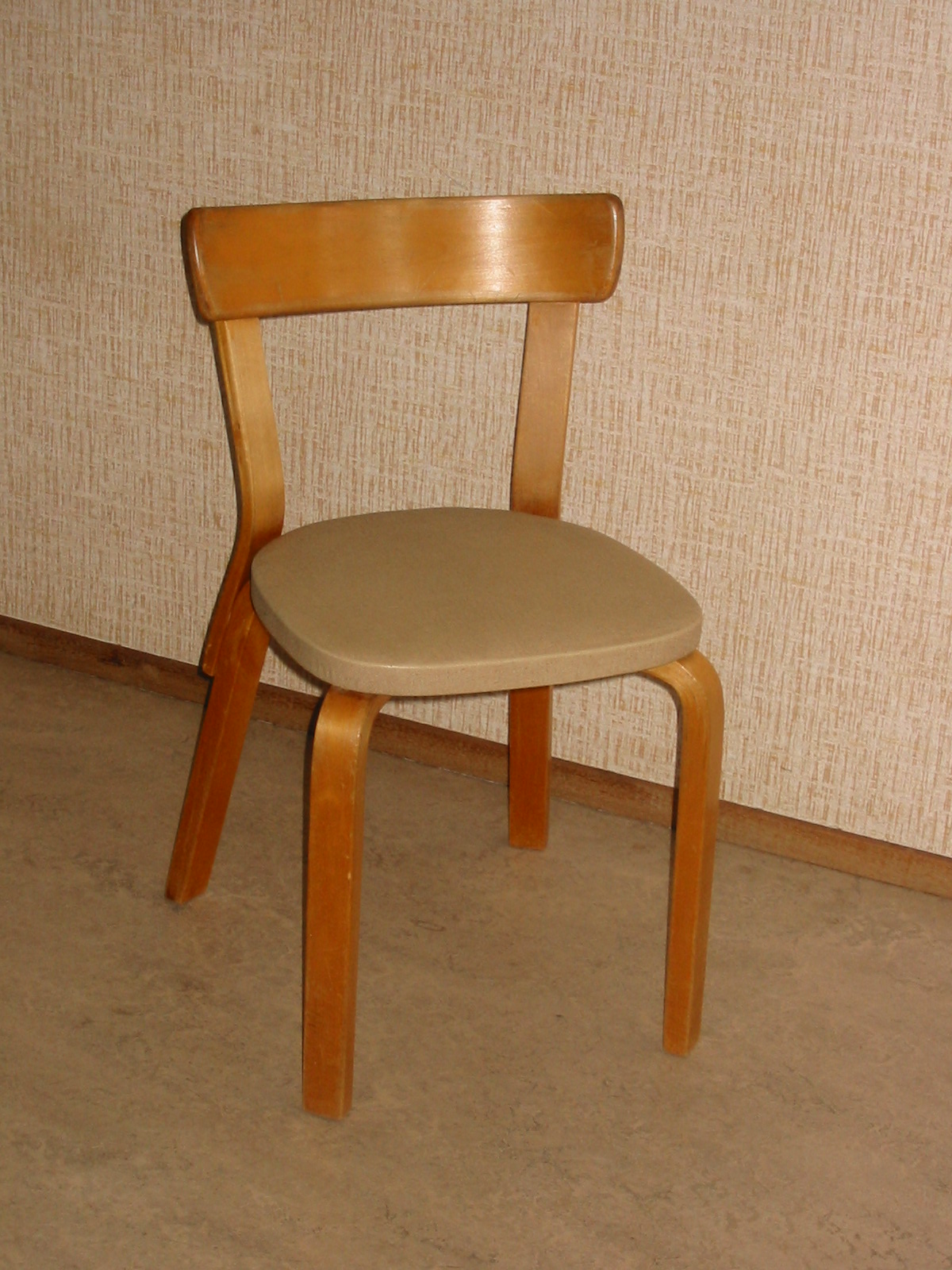


Characteristics and components
Most chairs share a set of basic components: a seat, a backrest, and supports such as legs or a pedestal. Additional elements can include armrests, casters, adjustable mechanisms and upholstery. The choice of material and construction affects comfort, durability and appearance. Upholstery and padding increase comfort for prolonged use, while a simple wooden or plastic seat emphasizes durability and ease of cleaning.
Common types
- Armchair: a comfortable chair with armrests, often used in living rooms or lounges.
- Stool: a backless seat, usually compact and used at counters or workbenches.
- Dining chair: designed for use at a table, prioritizing posture and space efficiency.
- Office chair: typically adjustable, with wheels and lumbar support for desk work.
- Rocking chair: mounted on curved rockers for gentle motion.
- Sofa or couch: a longer, upholstered seating unit for multiple people; closely related but distinct from single chairs — see sofas and couches.
- Outdoor and specialty chairs: stackable, folding, reclining, gaming or bean bag chairs serve specific needs.
History and development
Chairs have existed in various forms for thousands of years. Early examples were often simple stools or benches. Over time, cultural and technological changes gave rise to more elaborate seats such as ceremonial thrones, finely carved wooden chairs and industrially produced seating. The 20th century brought modern materials and ergonomic research, influencing the widespread adoption of adjustable office chairs and mass-produced designs that balance comfort with cost.
Uses, importance and maintenance
Chairs are central to daily life: they structure dining, work, study and rest. Choosing the right chair can affect posture and long-term comfort, so ergonomics is an important consideration for people who sit for long periods. Maintenance depends on materials — wooden chairs may need polishing, upholstered pieces benefit from regular cleaning, and metal or plastic chairs are prized for low-maintenance durability. Sustainability concerns have increased interest in recyclable materials and repairable construction.
Distinctions and notable considerations
It helps to distinguish chairs from related seating: stools lack backs, benches seat multiple people, and sofas are meant for lounging. Some chairs carry symbolic weight—ceremonial chairs or thrones symbolize authority—while others emphasize portability, stackability or compact storage. When selecting a chair, consider intended use, size, material, and any ergonomic features needed to support health and comfort.
Tags
Related articles
Author
AlegsaOnline.com Chair — forms, parts, history, and common uses Leandro Alegsa
URL: https://en.alegsaonline.com/art/18347