
Dvorak technique — satellite-based estimation of tropical cyclone intensity
A subjective, widely used satellite interpretation system developed by Vernon Dvorak (1974) to estimate tropical cyclone strength from visible and infrared imagery; basis for operational intensity estimates.
Overview
The Dvorak technique is a manual, image‑based method for estimating the intensity of tropical cyclones from satellite observations. Introduced by Vernon Dvorak in the early 1970s, it relies primarily on patterns seen in visible and infrared imagery captured by satellites. Rather than direct measurements, the technique produces an index — commonly expressed as a "T‑number" or current intensity (CI) — that corresponds to the storm's estimated intensity (intensity).
Image gallery
4 Images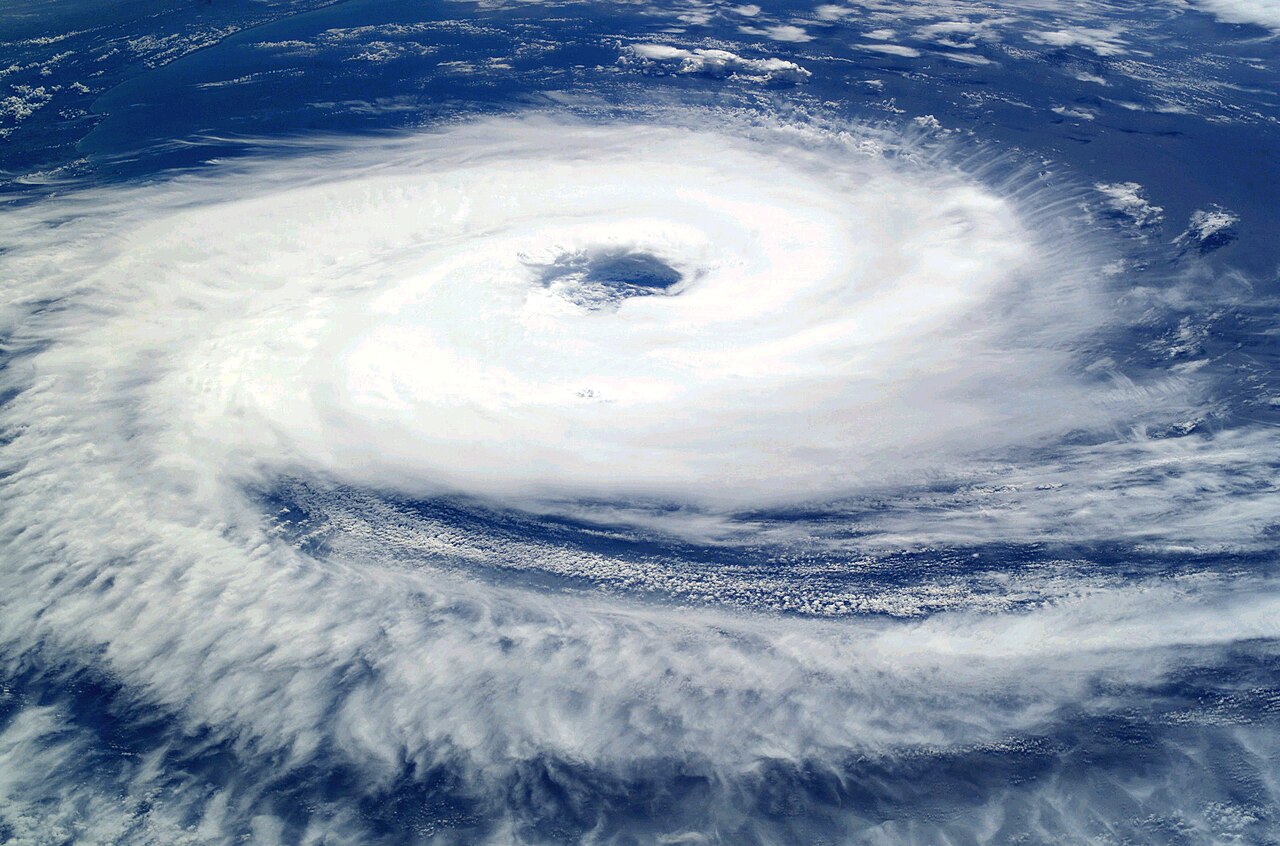


How the technique works
Analysts compare the cloud features of a cyclone with a set of standard pattern templates and assign a numeric value. The process emphasizes the structure, symmetry, temperature contrast and the presence or absence of an eye. Key pattern types include:
- Eye patterns: clear warm eye surrounded by cold cloud tops;
- Central Dense Overcast (CDO): a bulging mass of deep convection masking the center;
- Banding: curved convective bands wrapping into the center;
- Shear/embedded center: displaced convection or an ill‑defined core.
Assigned values typically run on a scale from about T1.0 to T8.0; analysts convert those numbers to operational intensity estimates. Over time computer‑assisted and objective variants (for example, the Advanced Dvorak Technique, ADT) have been developed to reduce subjectivity and automate parts of the process.
History and operational adoption
Vernon Dvorak published the method in the 1970s. It was rapidly adopted by forecast centers because it allowed routine, near‑real‑time intensity estimates wherever satellite coverage existed and when aircraft reconnaissance was unavailable. The technique has been refined but remains foundational in operational meteorology, climatological records and post‑storm analyses.
Agencies and operational use
Several national and regional agencies routinely issue Dvorak numbers or use its guidance in their analyses, including:
- National Hurricane Center (NHC) / Tropical Analysis and Forecast Branch;
- NOAA / NESDIS Satellite Analysis Branch (SAB);
- Joint Typhoon Warning Center (JTWC);
- Air Force Weather Agency (AFWA) and regional forecast offices, including units that support Pacific operations.
Applications, limitations and notable facts
The Dvorak technique remains particularly valuable when in‑situ observations (reconnaissance aircraft, buoys, scatterometers) are absent. It supports operational warnings, intensity tracking and historical hurricane databases. Limitations include its subjective nature, reduced reliability for very small or rapidly changing storms, and challenges with high‑latitude and extratropical transitions. Modern practice blends Dvorak estimates with microwave imagery, scatterometer winds and numerical model output to produce the most accurate assessments possible.
For readers wanting to explore further, many operational products and tutorials from the agencies cited above explain local variants and practical guidance for analysts: see the branches and centers linked earlier for official procedures and examples.
Related articles
Author
AlegsaOnline.com Dvorak technique — satellite-based estimation of tropical cyclone intensity Leandro Alegsa
URL: https://en.alegsaonline.com/art/29385
Sources
- cimss.ssec.wisc.edu : "Objective Dvorak Technique"