
Adhesive tape: types, composition, uses, and history
A concise guide to adhesive tape: its materials, main varieties (pressure‑sensitive, water‑activated, heat‑set), common uses, historical development, and selection and care tips.
Overview
Adhesive tape is a flexible strip or ribbon coated with a sticky substance that bonds surfaces together. It ranges from thin, transparent office tape to heavy cloth, foil or foam products engineered for structural, electrical or medical applications. Many tapes adhere immediately when pressed into contact; others require moisture, heat or a solvent to activate the bonding agent.
Image gallery
6 Images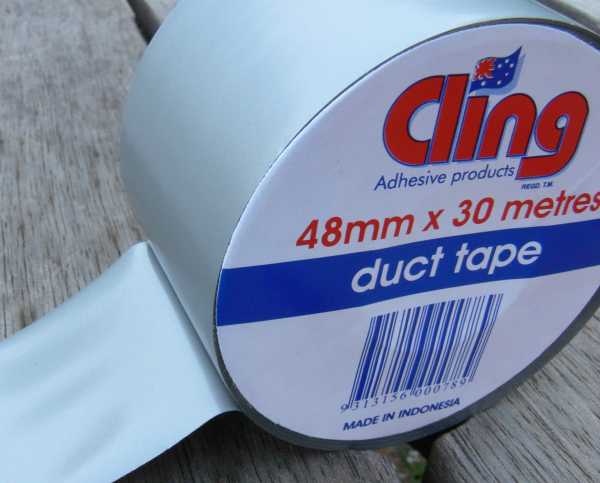


Composition and main varieties
Tapes are made of two basic components: the backing (the flexible carrier) and the adhesive. Backings include paper, plastic films (polyester, polypropylene), cloth, foam and metal foil. Common adhesive chemistries are natural rubber, synthetic rubber, acrylic and silicone, each chosen for tack, temperature tolerance and residue behavior. Some tapes also have release liners to protect the adhesive until use.
- Pressure‑sensitive tape: bonds with applied pressure only and is the most common everyday type.
- Water‑activated (gummed) tape: requires moisture to swell or activate the adhesive.
- Heat‑activated or solvent‑activated tape: needs heat or a chemical to develop a strong bond.
- Single‑sided vs double‑sided: single‑sided joins overlapping surfaces; double‑sided connects two faces back‑to‑back or sandwiches an object.
Uses and examples
Adhesive tapes serve many roles: sealing packaging, temporary masking during painting, electrical insulation, repairing or bundling, attaching dressings in medicine, and providing weatherproof or thermal barriers. Specialty tapes exist for high temperatures, outdoor UV exposure, electronics assembly and sound damping. Everyday forms include transparent office tape, masking tape for painting, heavy cloth repair tape and thin double‑sided mounting tapes.
History and development
Early humans used natural glues for repairs; the modern tape industry expanded in the 20th century with synthetic adhesives and new backing materials. Innovations in polymer chemistry and coating technology enabled pressure‑sensitive tapes that combine ease of use with predictable performance for industry and consumers.
Selection, care and notable facts
Choose tape by substrate, surface energy, required peel or shear strength, temperature range and whether residue is acceptable. Store rolls in a cool, dry place to preserve tack. Some tapes complicate recycling or leave residues that require solvents to remove. For more general information see adhesive tape resources and technical notes on adhesives.
Related articles
Author
AlegsaOnline.com Adhesive tape: types, composition, uses, and history Leandro Alegsa
URL: https://en.alegsaonline.com/art/978