
Dreams: nature, types, history, and scientific perspectives
An accessible overview of dreams: what they are, common types (lucid dreams, nightmares, false awakenings), how they are remembered, cultural uses, and major scientific and historical perspectives.
Overview
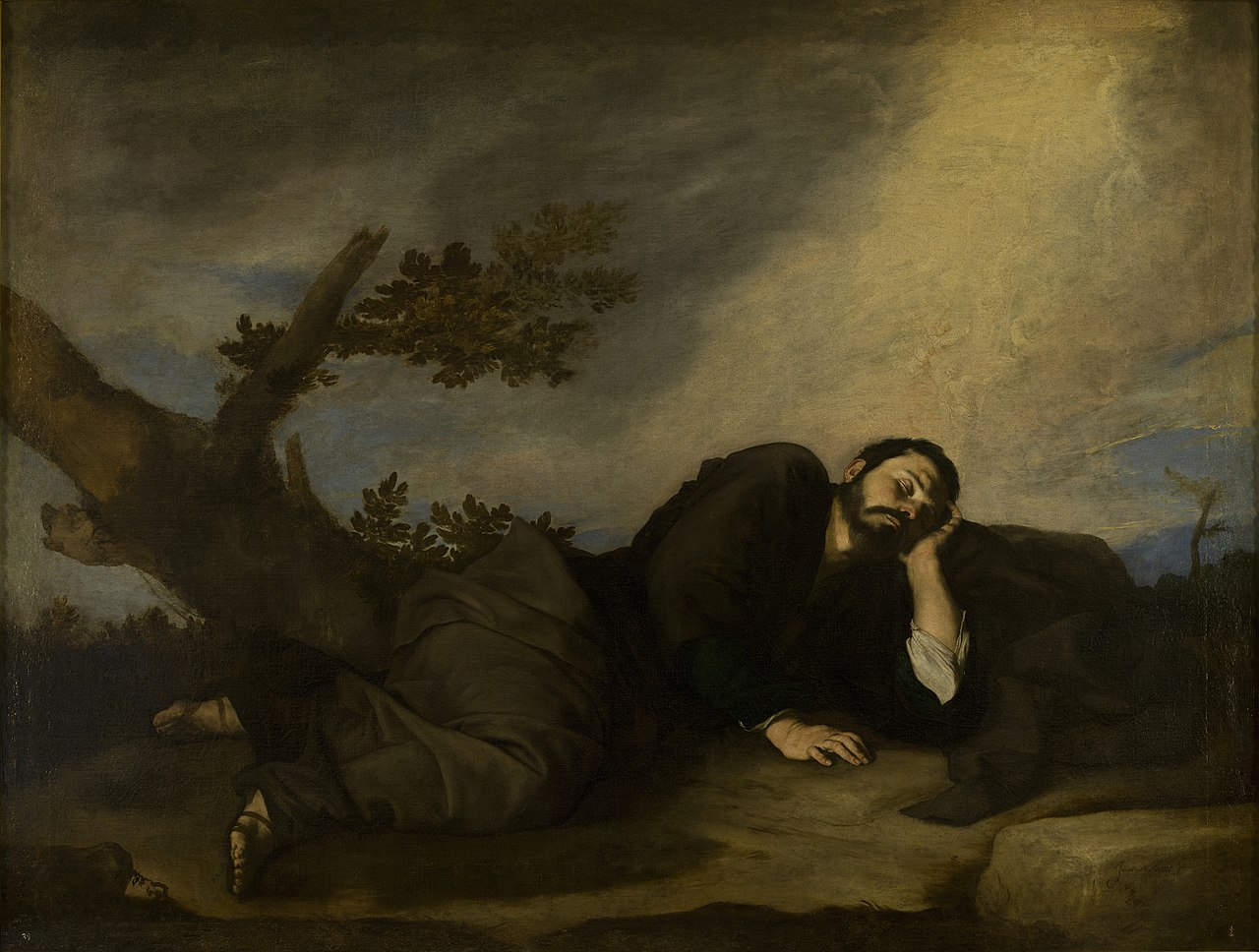
Dreams are subjective experiences of images, thoughts, emotions and sensations that occur primarily during sleep. They can resemble waking life, combining familiar people and places with surprising or impossible elements. Episodes may feel vividly real or fragmentary; sometimes a sleeper experiences a clear mental scene that includes sights and sounds, while at other times only fleeting impressions remain. Periods of rapid eye movement (REM) sleep are often associated with intense dreaming, but dreams can occur in other stages as well.
Image gallery
10 Images




Characteristics and common forms
Dreams take many forms and serve as a loose category rather than a single phenomenon. Important variants include: lucid dreams, in which the dreamer becomes aware of dreaming and can sometimes exert control over the dream environment; false awakenings, where a person dreams of waking up while still asleep; and nightmares, which cause fear, distress or strong negative emotion. Many people have multiple dream episodes a night—commonly several—but usually recall only a small number or fragments on awakening.
- Lucid dreaming — awareness and possible control during the dream state: see lucid dreaming.
- Nightmares — disturbing dreams that often mirror daytime anxieties and can be triggered by illness, stress or environmental factors; more information at nightmares.
- False awakenings — vivid dreams of waking up and beginning routines while still asleep.
History and cultural significance
Across cultures and eras, people have paid close attention to dreams. In many ancient societies dreams were seen as messages from gods, omens, or sources of practical guidance; priests, healers and interpreters developed systems to extract meaning. Practices such as dream-based divination and various forms of fortune-telling drew on those beliefs. In more recent centuries, dreams became subjects for philosophical reflection and early psychological theory, shaping views about creativity, prophecy and the unconscious.
Theories about function and interpretation
Modern science approaches dreams from several angles. Some researchers examine physiological mechanisms—how brain activity during sleep produces imagery and emotion—while others investigate cognitive roles such as memory consolidation, emotional processing, problem-solving or rehearsal of social situations. Psychological traditions also offer different interpretations: certain theorists propose that dreams reflect processes within the unconscious mind, and clinical psychologists and therapists sometimes explore dream content as a window into concerns and patterns in waking life; for more on professional perspectives see psychologists.
Remembering, recording and practical aspects
Dream recall varies widely. Factors that increase recall include waking directly from a dream, maintaining sleep regularity, reducing alcohol and drugs before bedtime, and keeping a dream journal immediately after awakening. Many people improve their recall by habitually writing short notes; this practice can also increase awareness of recurring themes or imagery. Physical conditions such as pain, fever, or uncomfortable environments can fragment sleep and influence dream content or intensity; see discussions of physical causes and sleep disruption.
Notable facts and distinctions
Some additional points help clarify the landscape of dream study. Dreams are not a single, uniform process: their vividness, emotional tone and coherence vary depending on sleep stage, individual differences and life context. Children often report more fantastical or vivid dreams, while older adults may experience changes in frequency and recall. Although many books and websites offer symbolic dream dictionaries, most scientists advise caution: there is no universally accepted, one-to-one system for translating dream images into fixed meanings. For accessible introductions and resources, readers may consult reputable summaries and clinical materials, or follow curated educational links such as what dreams are and how lucid dreaming works.
Because dreams touch both personal experience and cultural history, they remain a lively subject for research, artistic exploration and everyday curiosity. Whether studied as a component of sleep health, a source of creative inspiration, or an object of symbolic interpretation, dreams offer a window into the mind’s activity when waking constraints are relaxed.
Further reading and resources: introductory overviews on the nature of dreams and techniques for recall can be found via general educational sources, while specialized research articles address neural correlates of REM sleep and experimental methods for inducing lucid dreams. See linked entries above for specific angles and introductory material.
Related topics: dream basics, lucidity techniques, nightmare treatment, sleep disturbances, psychological perspectives, the unconscious in dreaming, historical divination, cultural interpretations.
Questions and answers
Q: What is a false awakening?
A: A false awakening is when a person dreams of waking up, but they are still actually asleep.
Q: How often do people have dreams?
A: People usually have around 4-6 dreams per night, and tend to only remember the last two.
Q: What is a lucid dream?
A: A lucid dream is when a person realizes during a dream that they are dreaming, but keeps having the dream. During this type of dream, the person usually has full control over their body and environment.
Q: How can someone remember their dreams better?
A: Writing down what happened in the dream just after waking up can help people to remember their dreams more clearly. Keeping a dream diary where each dream is described can also help with recall. Additionally, if someone is woken up during a dream they tend to have an improved memory of it.
Q: What causes nightmares?
A: Nightmares can be caused by being uncomfortable or in pain while sleeping, sickness, stress, or even eating right before sleeping.
Q: What do different theories say about why people have dreams?
A: Different theories suggest that dreams reflect what is happening in the unconscious mind or that objects and people in dreams may symbolize something from real life for the individual dreaming them.
Q: How have people tried to make sense of their dreams throughout history? A: Throughout history people have used their understanding of their own and others'dreams for divination or fortune-telling purposes.
Related articles
Author
AlegsaOnline.com Dreams: nature, types, history, and scientific perspectives Leandro Alegsa
URL: https://en.alegsaonline.com/art/28903
Sources
- pbs.org : pbs.org/wgbh/aso/databank/entries/dh00fr.html
- ncbi.nlm.nih.gov : ncbi.nlm.nih.gov/pubmed/18567225
- cambridge.org : cambridge.org/core/journals/behavioral-and-brain-sciences/article/reinterpretation-of-dre…