
Dreamtime (The Dreaming): Aboriginal Australian cosmology and law
Dreamtime, often called The Dreaming, is the Aboriginal Australian conception of creation, ancestral beings, law and the ongoing relationship between people, land and ceremony.
Overview
Dreamtime, commonly rendered in English as "The Dreaming" or sometimes "Dreamtime," is the collective term used to describe the creation period, spiritual order and living law of many Australian Aboriginal peoples. The concept unites origin stories about ancestral beings with rules for social behaviour, ceremony and the custodial relationship between people and country. While the English label is convenient, many Aboriginal languages have their own words for this complex of beliefs — for example, the Central Australian Pitjantjatjara people call it Tjukurpa — and each group interprets and transmits these ideas in its own terms. Australian Aboriginal culture is therefore not monolithic, but Dreamtime functions as a shared way of understanding existence across many groups.
Image gallery
6 Images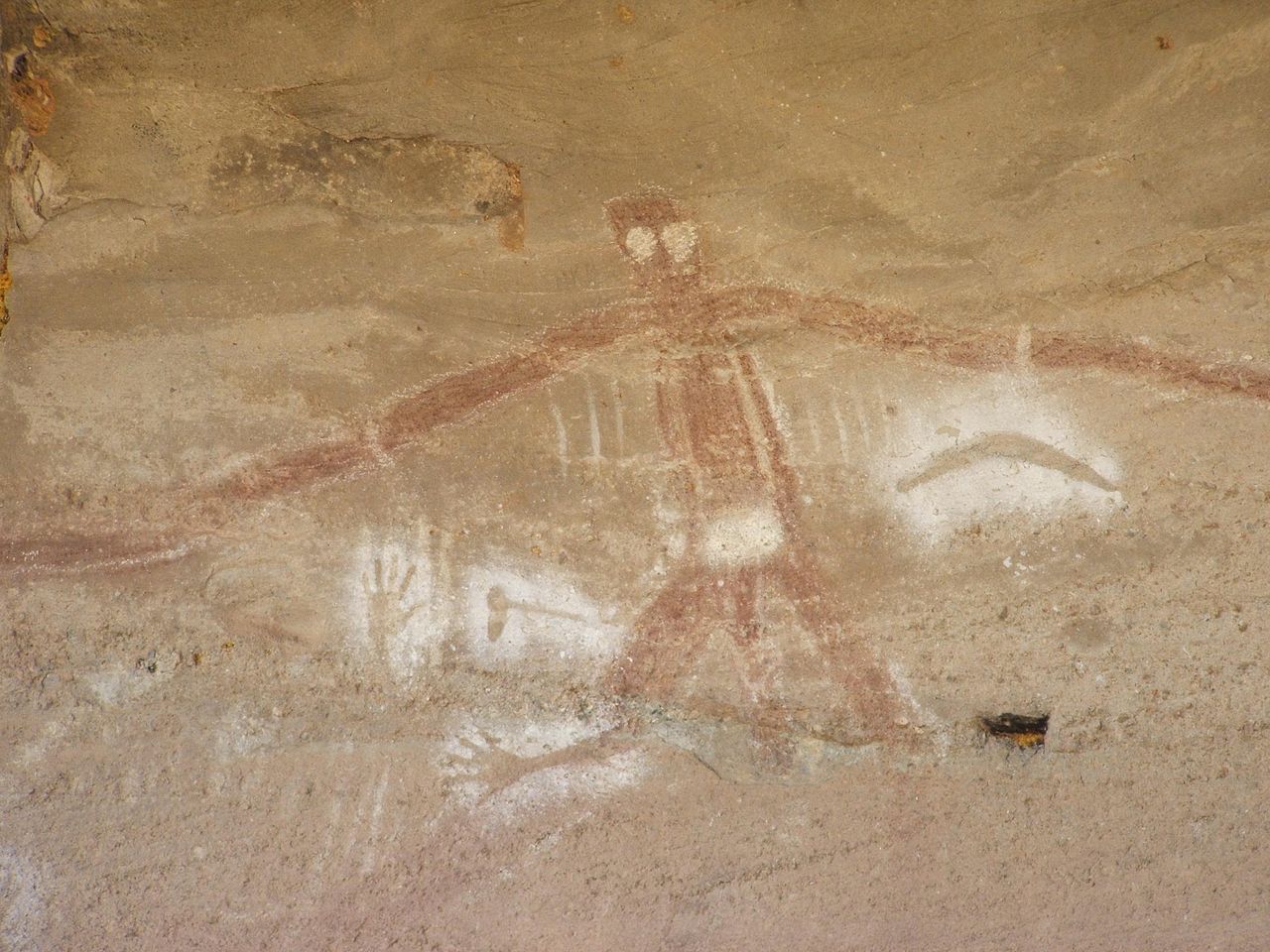

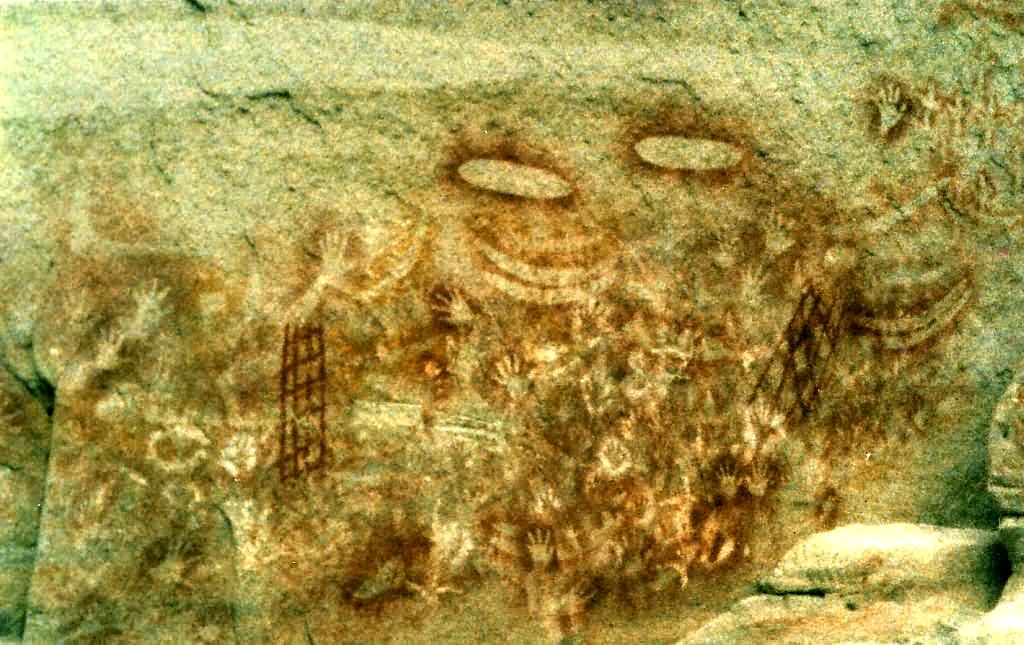


Core ideas and characteristics
At its heart, Dreamtime encompasses several interrelated dimensions:
- Creation and origin: ancestral beings shaped the landscape, named places, and established the living order during a primordial era that precedes or underlies ordinary historical time.
- Continuity and presence: the actions of those ancestors continue to be present; the past is not wholly past but remains active in the present through song, ceremony and sacred sites.
- Law and social order: stories and rituals encode rules about kinship, marriage, food, taboo and responsibilities for caring for country.
- Spiritual power: specific places, songs and objects hold potency derived from ancestral activity and are managed through ritual practice.
Practices, art and songlines
People engage with Dreamtime through a range of practices: storytelling, ritual dance, body painting, carving and painting on bark and rock, and the performance of sacred songs. Many of these performances trace the journeys of creator-beings across the land; those narrative routes are commonly known as "songlines" or song-cycles. Songlines serve multiple roles: they transmit knowledge of landscape and resources, encode law and history, and act as mnemonic maps that help people navigate vast territories while asserting custodial links to particular places.
Social function and confidentiality
Dreamtime is both public and restricted. Some stories and places are widely shared and taught to children as part of cultural education, while other knowledge is secret or sacred, held only by initiated custodians and transmitted according to strict protocols. These knowledge systems are embedded in kinship, totemic affiliations and the responsibilities that determine who may speak for, visit, or care for particular sites and stories.
Variation, terminology and historical notes
The English term "Dreamtime" was popularized by early ethnographers and missionaries, but many scholars and Aboriginal people prefer alternatives such as "The Dreaming" or the original language terms because the English can suggest a static or fanciful idea. In reality, these cosmologies are dynamic frameworks for social, ecological and spiritual life. Different language groups have distinct names and emphases; for example, the Central Australian Pitjantjatjara use Tjukurpa to refer to this body of knowledge and law.
Contemporary significance
Today Dreamtime remains central to cultural identity and land claims, to the maintenance of sacred sites, and to artistic expression that communicates and preserves knowledge. Ceremonies continue to be performed, and contemporary art movements have drawn on Dreamtime narratives to assert continuity and educate wider audiences. At the same time, ongoing work by communities and scholars seeks to respect restrictions on sensitive knowledge, to support cultural transmission, and to counter misunderstandings that reduce Dreamtime to a simple myth or tourist attraction.
Related articles
Author
AlegsaOnline.com Dreamtime (The Dreaming): Aboriginal Australian cosmology and law Leandro Alegsa
URL: https://en.alegsaonline.com/art/28913
Sources
- indigenousaustralia.info : "The Dreaming - Rock Legends - Kata Tjuta"
- environment.gov.au : "Tjukurpa - Anangu culture -"
- aboriginalartonline.com : "The Dreamtime"
- astronomy.pomona.edu : "The Significance of the Dreamtime"