
Pencil: Construction, Types, History and Uses
A pencil is a handheld writing and drawing tool with a solid core—typically graphite mixed with clay—encased in wood or a mechanical barrel. This article explains composition, grades, varieties and historical notes.
Overview
A pencil is a simple, portable instrument used for writing, sketching and technical marking on surfaces such as paper. The familiar wood-cased pencil contains a slim core that leaves a mark when pressed against a surface. While commonly called "lead," the dark material inside is actually graphite combined with a binding material.
Image gallery
10 Images





Composition and construction
The most common pencil core is made by blending powdered graphite with a clay binder; adjusting their ratio changes the core's hardness. The finished core is centered inside a wooden jacket—often cedar or other softwoods—although metal or plastic barrels are used for mechanical versions. Pencils are manufactured in several shapes, such as:
- Hexagonal for grip and to prevent rolling.
- Round or cylindrical for smooth turning — sometimes called cylindrical pencils.
- Triangular for ergonomic comfort.
- Square for specialty grips and storage.
Grades and varieties
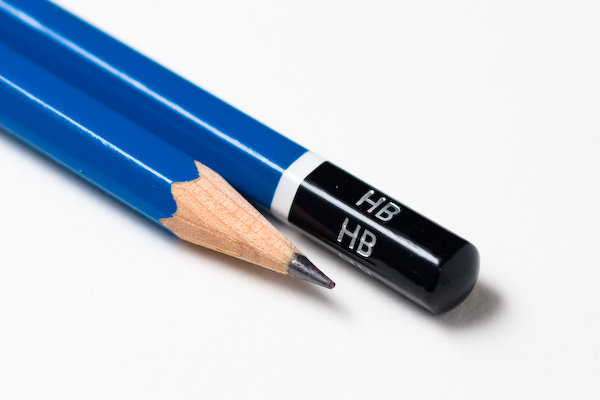
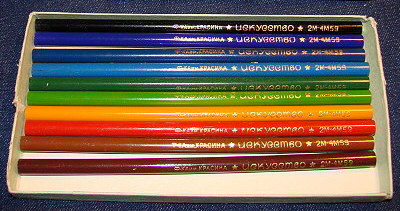
Pencil cores are graded by hardness. A scale using letters such as H (hard) and B (black/soft), with HB near the middle, is widely used to indicate darkness and resistance to wear. Artists and draftspeople select softer B pencils for rich, dark shading and harder H pencils for precise, light lines. Colored pencils substitute pigmented binders instead of graphite and are designed primarily for drawing.
History and development
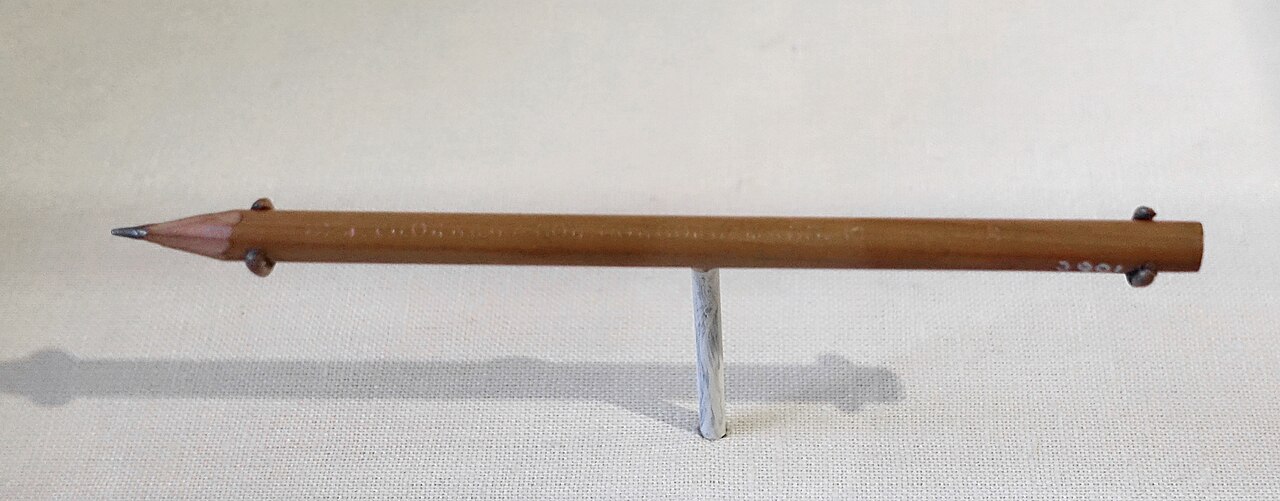
The adoption of graphite for marking dates to the discovery of a large, pure deposit centuries ago; early uses included rough marking in mines and on livestock. A major advance came when processes were developed to mix graphite with clay to produce consistent cores, and when wooden casings became standard. In the 19th century improvements added attached erasers and mechanical holders for replaceable leads.
Uses, care and notable facts
Pencils remain valued for everyday writing, fine art, architectural and engineering drawing, and standardized testing because of their erasability and predictable marks. They are inexpensive, require no power, and are recyclable; wooden pencil production raises considerations about sustainable wood sourcing. Although popularly called "lead" pencils, the material is graphite, not metallic lead. Mechanical pencils offer convenience by holding thin, refillable graphite sticks and suit situations where a constant line width is important.
For practical tips: sharpen by rotating the pencil against a sharp blade or handheld sharpener, store pencils horizontally to avoid breakage, and choose grades according to whether the task emphasizes drawing depth or fine, hard lines.
See also: more on graphite properties (graphite), binder materials (clay), typical writing surfaces (paper), barrel types (cylindrical) and material sourcing (wood). Additional resources and tutorials are available from educational and art suppliers (drawing).
Questions and answers
Q: What is a pencil?
A: A pencil is a writing equipment that is also used for drawing, usually on paper.
Q: What is the composition of most pencil cores?
A: Most pencil cores are made of graphite powder mixed with a clay binder.
Q: What is the usual shape of a pencil?
A: The shape of a pencil is usually a hexagonal prism, although some pencils are square or cylinder-shaped.
Q: What are colored pencils?
A: Colored pencils are a type of pencil that do not use greyish silver graphite. Instead, the core is colorful.
Q: What is the purpose of colored pencils or crayons?
A: Colored pencils or crayons are usually meant for drawing rather than writing.
Q: What is the material used for the wood case of a pencil?
A: The wood case of a pencil is made of wood.
Q: What is graphite mixed with to make most pencil cores?
A: Graphite powder is mixed with a clay binder to make most pencil cores.
Related articles
Author
AlegsaOnline.com Pencil: Construction, Types, History and Uses Leandro Alegsa
URL: https://en.alegsaonline.com/art/75538
Sources
- commons.wikimedia.org : pencils
- geog.port.ac.uk : "Old Cumbria Gazetteer, black lead mine, Seathwaite"
- phy.mtu.edu : "Graphite from the Plumbago Mine, Borrowdale, England"
- cumbria-industries.org.uk : "Lakeland's Mining Heritage"
- answers.com : "Definition of Plumbago"
- thefreedictionary.com : "Definition of Plumbago"
- pencilmuseum.co.uk : "Keswick Pencil Museum"
- pesticideinfo.org : "Graphite - Identification, toxicity, use, water pollution potential, ecological toxicity, and regulatory information"
- rocketcityspacepioneers.com : "Who invented the pencil?"
- historyofinformation.com : "Origin of the pencil"
- historyofinformation.com : "Invention of Modern Pencil Lead"
- patft.uspto.gov : "US Patent 19783 Combination of Lead-Pencil and Eraser by L. Lipman"
- supreme.justia.com : "Reckendorfer v. Faber 92 U.S. 347 (1875)"