
Dijon mustard: origin, ingredients, flavor and culinary uses
A concise overview of Dijon mustard: its ingredients and production, flavor profile, culinary roles, brief history and how it differs from other mustard styles.
Overview
Dijon mustard is a creamy, piquant mustard style that originated in the French city of Dijon and became widely used in French and international cooking. The term now describes a particular balance of taste and texture rather than a single protected local product: many producers outside Burgundy make mustard labeled in the Dijon style.
Image gallery
3 Images

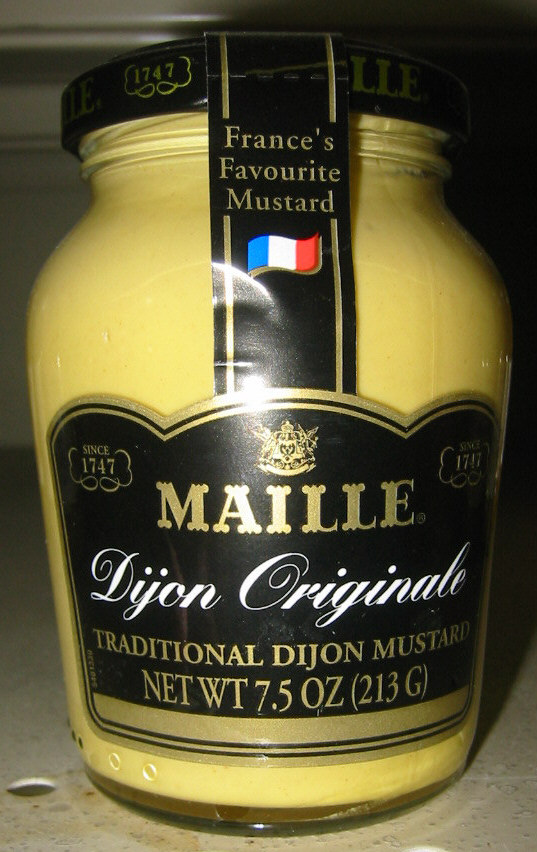
Typical ingredients and characteristics
Traditional Dijon-style mustard is made from ground mustard seeds blended with an acidic liquid and salt. Recipes commonly use brown or black mustard seeds; the seeds are ground with liquid so the natural oils remain in the paste, contributing to a smooth, emollient texture and bright flavor. Early preparations relied on sharply acidic liquids; today, commercial makers frequently substitute vinegar or wine for historical ingredients to achieve the desired tang.
Production and commercial variants
Small-batch and artisanal versions tend to follow classic processes: soaking or crushing seeds, mixing with acid and seasonings, then resting to allow flavors to meld. Large-scale manufacturers may adjust proportions, filter the paste for uniformity, or alter acidity for shelf stability. Many brands produce milder or spicier variations, sometimes adding herbs, honey, or whole mustard seeds for texture and flavor contrast.
Flavor profile and comparisons
Dijon-style mustard is known for a clean, sharp heat that is usually less aggressive than typical English powdered mustard but more pronounced than very mild table mustards such as Bordeaux-style. Its heat is aromatic and quick rather than lingering, and its acidity helps brighten vinaigrettes, pan sauces and marinades.
Culinary uses and examples
Because of its balanced pungency and smooth body, Dijon mustard is a versatile kitchen staple. Common uses include:
- Emulsifying dressings and vinaigrettes for salads.
- Binding and flavoring mayonnaise-style sauces and aioli; many classic recipes for mayonnaise call for a small amount of Dijon for stability and tang.
- Glazing roasted meats, mixing into stews, or combining with cream to make pan sauces.
- Adding to sandwiches, pâtés and charcuterie accompaniments.
For practical guidance, look for recipes or technique notes from reputable sources if you want to substitute or create a Dijon-style mustard at home: see a general primer, a step-by-step recipe, or a culinary technique guide.
History, name and cultural notes
Mustard has been produced in the Dijon area for centuries, and by the 18th and 19th centuries a distinctive local style emerged that emphasized a smooth paste and a tangy acid component. Over time the name came to signify that particular style of mustard rather than strictly its place of manufacture, so today much Dijon-style mustard is made outside its original region. For historical context consult regional food histories or collections of traditional recipes here and here.
Distinctions and practical notes
When choosing mustard, consider whether you want the sharper profile of a Dijon-style product or the stronger, throat-clearing heat of powdered English mustard. Artisanal labels may specify seed type or acidity, while commercial jars sometimes list vinegar or wine as the acidulant. For further reading on varieties and pairing suggestions, see a comparative overview here, a cooking application guide here, and preservation or storage tips here. If you wish to make or buy a classic mayonnaise that calls for mustard, consult an authoritative mayonnaise recipe source recommended page.
Related articles
Author
AlegsaOnline.com Dijon mustard: origin, ingredients, flavor and culinary uses Leandro Alegsa
URL: https://en.alegsaonline.com/art/27411