
Citric acid: properties, biological role, uses and history
Citric acid is a naturally occurring weak organic acid found in citrus fruits. This article summarizes its chemistry, role in metabolism, industrial production, applications, history and safety considerations.
Overview
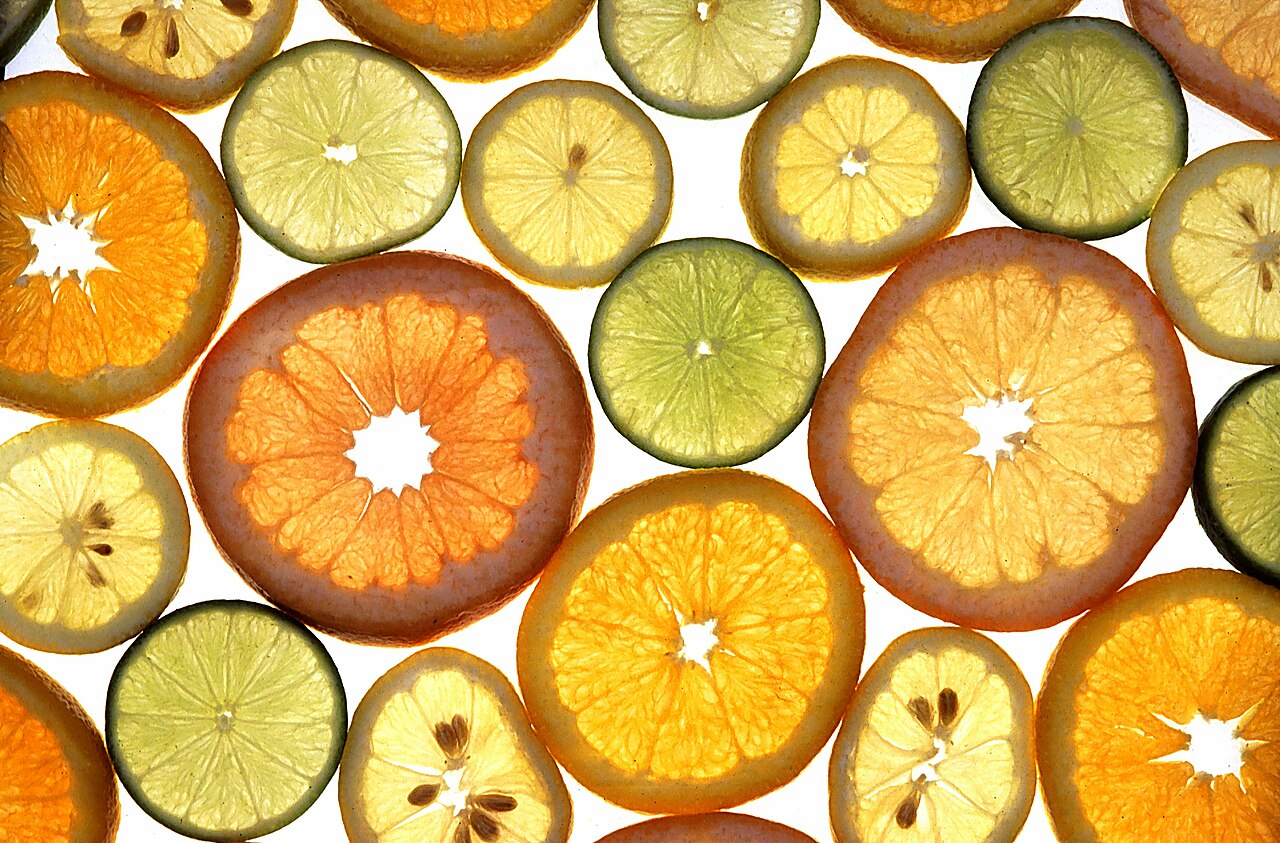
Citric acid is a weak organic acid widely distributed in plants, especially citrus fruits such as lemons and limes. Its chemical formula is C6H8O7 and it appears as a colorless, crystalline solid that is readily soluble in water. Because of its pleasant tart flavor, acidity and chelating properties it is one of the most used organic acids in food, pharmaceutical and industrial applications. In food regulation it is commonly listed as E 330 in the European Union (E 330).
Image gallery
7 Images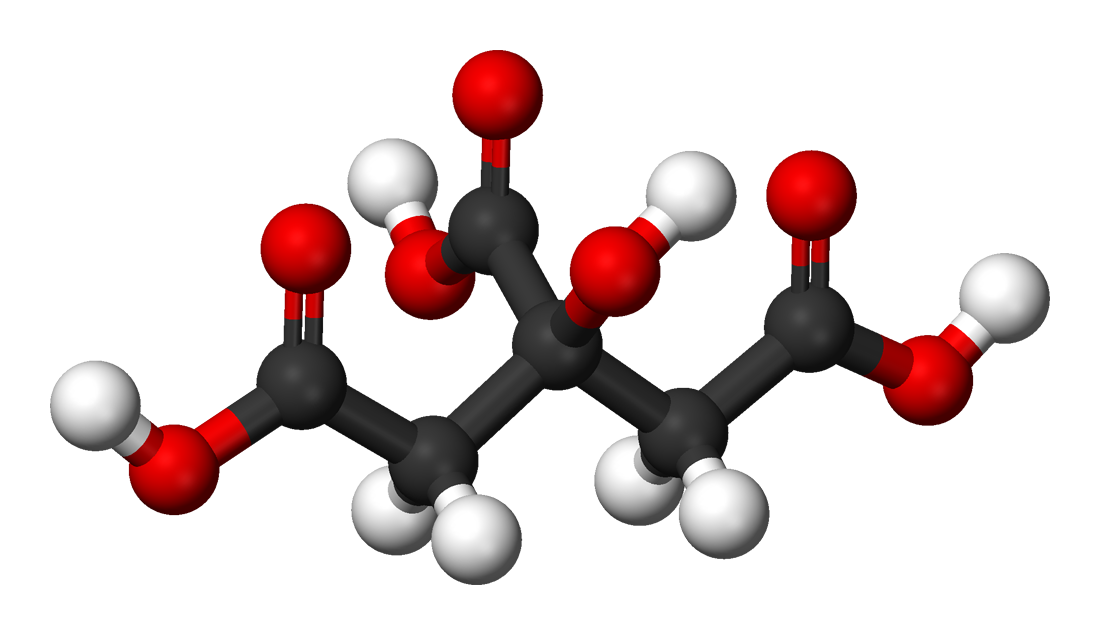




Chemistry and physical properties
Citric acid contains three carboxyl groups and one hydroxyl group which confer acidity and an ability to bind metal ions. These functional groups allow citric acid to act as a mild acidulant, buffer and chelating agent in solution. It forms a variety of salts known as citrates (for example sodium or calcium citrate) that are used for buffering and as mineral supplements. The pure compound is generally stable under normal conditions but concentrated solutions can be corrosive to some materials and irritating to skin or eyes.
Biological role
Citric acid occupies a central role in cellular metabolism. It is the first stable product of the tricarboxylic acid cycle, commonly called the Krebs cycle or TCA cycle, where it participates in the oxidative breakdown of carbohydrates, fats and proteins to release energy. In cells citrate is also a regulatory molecule: changes in citrate levels influence metabolic pathways such as fatty acid synthesis. Despite the similarity of names, citric acid is distinct from vitamin C (ascorbic acid) and the two have different chemical and nutritional roles.
Industrial production
Historically extracted from citrus juices, most commercial citric acid today is obtained by fermentation of carbohydrate substrates using selected microorganisms. Filamentous fungi have been widely used in industrial processes, and the fermentation product is recovered and purified to yield crystalline citric acid. Production methods evolved to meet growing demand for food-grade and technical-grade material and to reduce dependence on agricultural sources.
Principal uses
- Food and beverage: used as an acidulant to impart a sour or tart taste, to adjust pH and to help preserve products. It is a common ingredient in confectionery, fruit-flavored drinks and soft drinks.
- Pharmaceuticals and supplements: employed as a buffering agent and to form citrate salts that enhance solubility or stability of active ingredients; citrate is also used as an anticoagulant in blood collection and storage.
- Industrial and household: used as a biodegradable chelating agent in cleaners and descalers, and in water treatment and metal-finishing formulations for its ability to bind calcium and other metal ions.
- Laboratory: used as a component of buffer solutions, in analytical chemistry and in some biochemical assays where controlled acidity or metal chelation is required.
History
The pure acid was first isolated from citrus by the Swedish chemist Carl Wilhelm Scheele in the 18th century after work with juice from lemons. Documentation of citric-containing extracts dates back much earlier: some historical accounts suggest that medieval and earlier alchemists were familiar with citric preparations, and traditional attributions sometimes mention the Arabian alchemist Geber in the 9th century, although early references are not always precise or dispositive.
Safety, nutrition and environmental aspects
At concentrations found in foods, citric acid is generally recognized as safe and is widely consumed without adverse effects by most people. In concentrated form it can cause irritation of the skin, eyes or respiratory tract and may contribute to dental enamel erosion if consumption is frequent and prolonged; recommended practice is to follow product labels and routine hygiene measures. Citric acid and its salts are biodegradable and pose low long-term environmental risk compared with many synthetic chelators, which contributes to their popularity in cleaning and industrial formulations.
Distinctions and related compounds
Citrate salts, esters and derivatives expand the functional uses of citric acid: trisodium citrate and other citrates serve as buffers and sequestrants, while chemically modified citrate derivatives appear in specialized applications such as pharmaceuticals and polymer chemistry. Although the term "citric" recurs in several compound names, it remains important to distinguish the simple acid (C6H8O7) from other chemically related but functionally different substances.
For further detailed technical or regulatory information consult specialized sources and standards relevant to a given application, and observe safety data supplied by manufacturers and regulatory authorities.
Tags
Related articles
Author
AlegsaOnline.com Citric acid: properties, biological role, uses and history Leandro Alegsa
URL: https://en.alegsaonline.com/art/20510
Sources
- pubchem.ncbi.nlm.nih.gov : CID 22230
- chemister.ru : "citric acid"
- pubchem.ncbi.nlm.nih.gov : CID 311
- zirchrom.com : "Data for Biochemical Research"
- www2.chemistry.msu.edu : "Ionization Constants of Organic Acids"
- webbook.nist.gov : Citric acid
- webbook.nist.gov : webbook.nist.gov/