
Dinner: meanings, traditions, and modern practices
Overview of the meal called dinner: definitions, regional differences, typical structure, history, and cultural importance with examples and notable distinctions.
Overview
Dinner is a common term for a principal meal eaten by individuals or households. Its precise meaning varies by region, context and social custom. In everyday use it often denotes an evening meal, but historically and in some areas the word can refer to the main meal of the day regardless of time. The word also describes a multi-course, often formal, sit-down meal served on special occasions.
Image gallery
10 Images



Definitions and scope
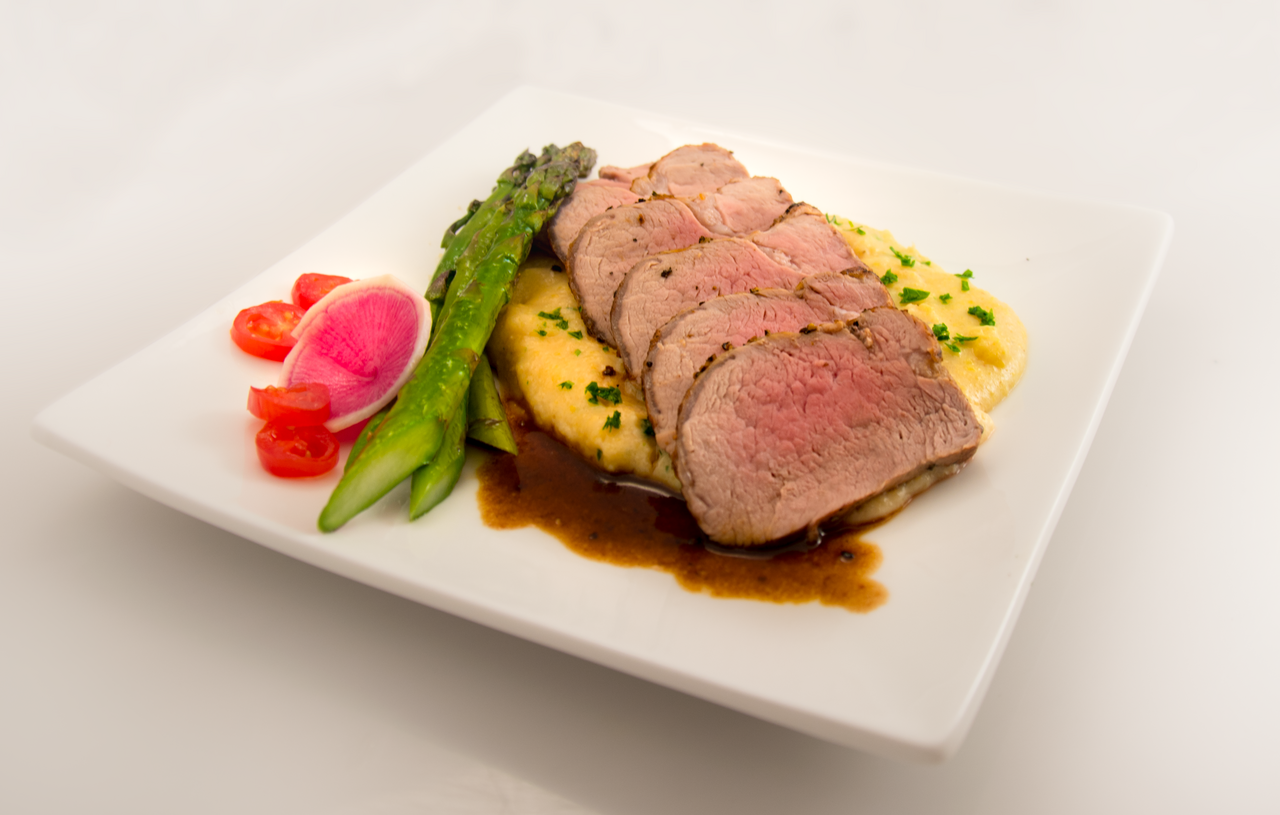
At its simplest, dinner is the main meal of the day. For many people this falls in the early evening, while for others it occurs at midday. The phrase can refer to informal family dinners or to formal banquets with several courses. A formal dinner typically contains a sequence of dishes — such as starter, main course and dessert — though more elaborate services may include additional courses and palate cleansers.
Regional variations
Usage differs by country and region. In North America dinner commonly means the main evening meal. In parts of the Southern United States and in some areas of the United Kingdom, people may use the word "dinner" to describe a noon meal, with the evening meal called "supper." These regional naming conventions reflect local history, work patterns and rural or urban traditions. Language around meals also changes across social settings, such as schools, workplaces and restaurants.
Structure and typical components
Formal dinners are often organized into courses. Common structures include:
- Starter or appetizer — a light opening dish.
- Main course — the central and usually most substantial dish.
- Side dishes — vegetables, starches or accompaniments served alongside the main.
- Dessert — a sweet or cheese course to finish the meal.
- Beverages — ranging from water and soft drinks to wines and digestifs in formal settings.
Informal dinners may combine these elements on a single plate or omit courses altogether.
History and development
The concept of a principal daily meal has existed for centuries, adapting to changes in agriculture, work schedules and social customs. In medieval Europe, the principal meal was often at midday; later urbanization, industrial work hours and lighting improvements shifted the main meal toward evening for many populations. The rise of restaurants and formal etiquette in the 18th and 19th centuries also shaped what people expect of a “dinner” in public and private life.
Cultural importance and examples
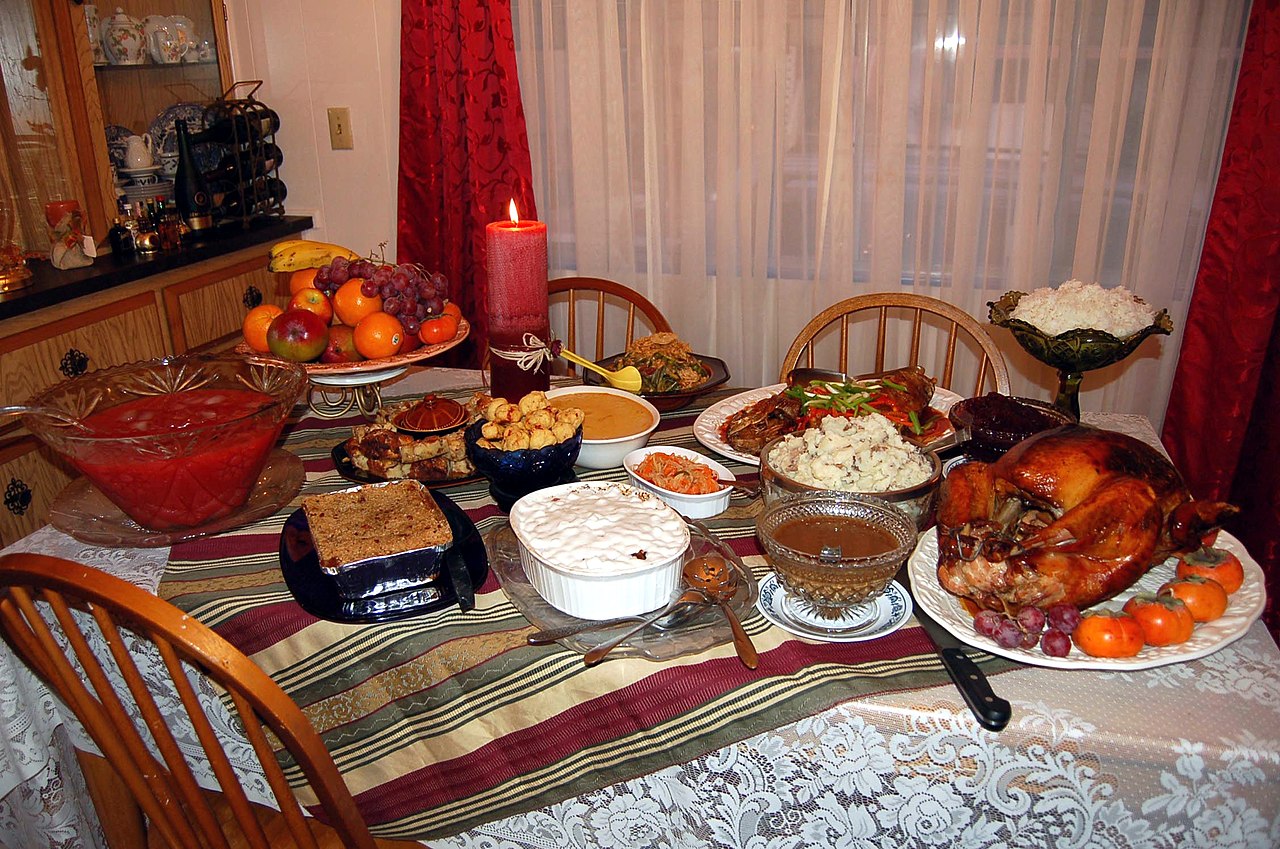
Dinner plays a central role in family life and public rituals. It is a focal point for holidays, celebrations and ceremonies. For example, in the United States many families gather for a large dinner on Thanksgiving and again for a special meal at Christmas. Formal dinners are common at weddings, state events and fundraisers, often following prescribed etiquette and dress codes.
Distinctions and notable facts
While closely related to terms such as "supper," "lunch" and "banquet," dinner usually implies primacy (the main meal) or a degree of formality. In menus and event invitations, the word signals expectations about time, service and course structure. The social ritual of dinner—sharing food, conversation and hospitality—remains an important way people connect across cultures and generations.
For more on regional usage and etiquette, see resources and guides at meal terminology and local cultural guides such as those for the United Kingdom and North America.
Related articles
Author
AlegsaOnline.com Dinner: meanings, traditions, and modern practices Leandro Alegsa
URL: https://en.alegsaonline.com/art/27494