
Dijon: History, Culture and Role of Burgundy's Capital
Dijon, in eastern France, is the historic capital of Burgundy known for its medieval architecture, mustard, wine trade and its administrative role as prefecture of Côte-d'Or and the Bourgogne-Franche-Comté region.
Overview
Dijon is a city in France that serves as the administrative centre of the Côte-d'Or department and as the principal city of the Bourgogne-Franche-Comté region. It functions as the prefecture (departmental seat) for its department and is commonly recognised as the regional capital, although some regional council meetings are held in Besançon.
Image gallery
10 Images




Geography and urban landscape
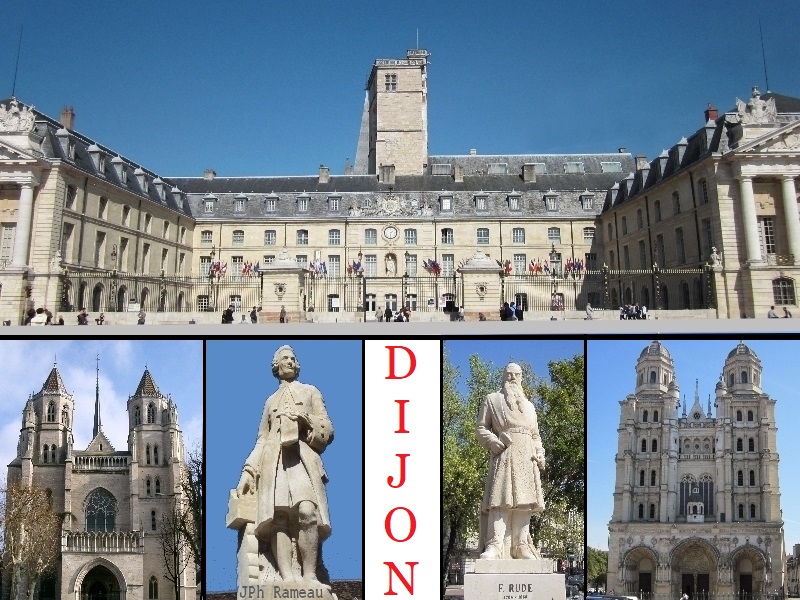
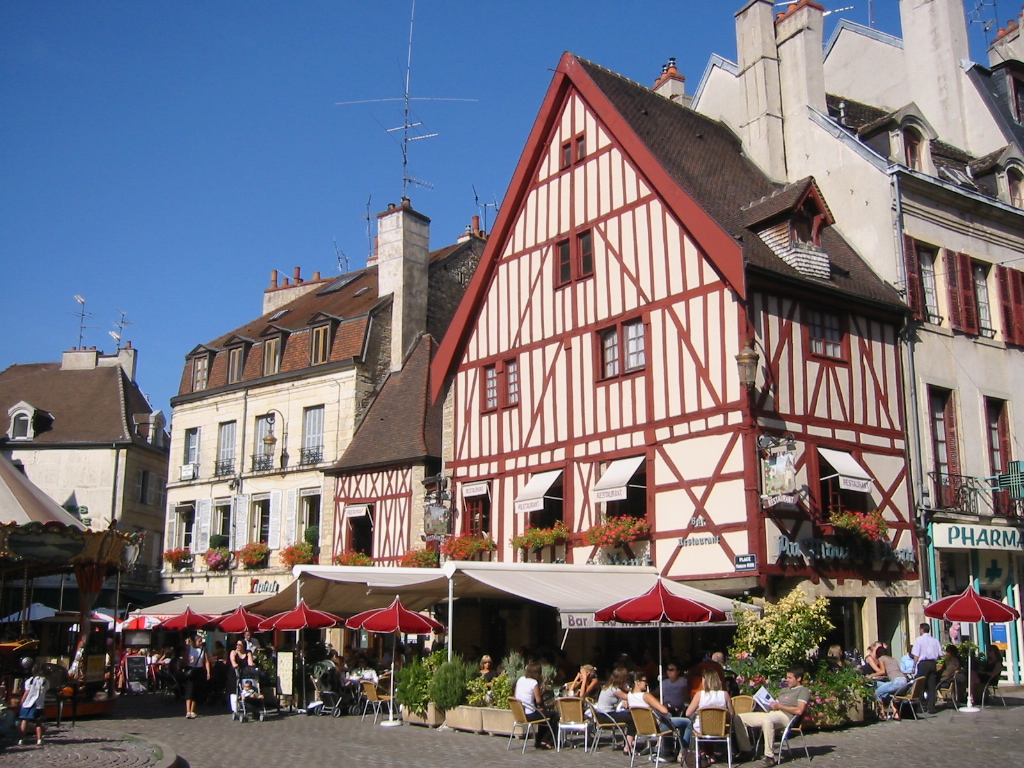
Located where the plain meets the rolling slopes of Burgundy's vineyards, Dijon combines a compact medieval core with later boulevards and 19th-century urban planning. The city remains a regional transport hub, with road and rail links that connect it to Paris, Lyon and eastern France, and it sits near waterways that historically supported trade and industry.
History
Dijon's prominence dates from the Middle Ages, when it was the residence of the powerful Dukes of Burgundy. Under the dukes the town became a centre of art, administration and commerce in the region. When Burgundy came under the French crown the city retained local importance and gradually evolved through periods of economic change into a modern regional capital while preserving much of its historic fabric.
Architecture, culture and institutions
The city is noted for landmarks such as the Palace of the Dukes of Burgundy and the medieval church of Notre-Dame with its carved owl on the façade. Museums, theatres and a university contribute to a lively cultural scene; the Musée des Beaux-Arts in the Ducal Palace is among the city's principal cultural institutions.
Economy, gastronomy and wine
Dijon is internationally associated with mustard, a culinary product refined here, and it stands at the northern edge of Burgundy's celebrated wine region. Viticulture, food production, specialised crafts, services and public administration combine to shape the local economy. Local markets and festivals celebrate regional produce such as mustard, cassis and wine.
Administration and civic role
As prefecture of Côte-d'Or and an administrative centre within the Bourgogne-Franche-Comté region, Dijon hosts departmental services and regional offices. The city's status as a departmental department capital and as a recognised regional capital shapes its public functions, governance and provision of services.
Visiting and notable features
- Historic core: narrow medieval streets, the Ducal Palace and Notre-Dame.
- Culinary attractions: mustard shops, markets and restaurants highlighting Burgundy cuisine.
- Access: good rail and road links to major French cities and to the surrounding wine country.
Dijon blends a rich historical legacy with contemporary administrative importance and cultural life, making it a central destination for visitors to eastern France.
Questions and answers
Q: What is Dijon?
A: Dijon is a commune in France.
Q: Where is it located?
A: It is located in the Côte-d'Or department of the Bourgogne-Franche-Comté region.
Q: Is Dijon the prefecture of its region?
A: Yes, it is the prefecture (regional capital) of the Bourgogne-Franche-Comté region.
Q: Does the council of the region meet in Dijon?
A: No, they meet in Besançon.
Q: Is Dijon the main city of its department?
A: Yes, it is the main city of its department and also the largest city of its region.
Q: Is Dijon a large city?
A: Yes, it is considered to be one of the largest cities in its region.
Related articles
Author
AlegsaOnline.com Dijon: History, Culture and Role of Burgundy's Capital Leandro Alegsa
URL: https://en.alegsaonline.com/art/27412
Sources
- dijon.fr : "François REBSAMEN, votre maire"
- insee.fr : "Commune de Dijon (21231)"
- map-france.com : "City of Dijon"
- annuaire-mairie.fr : "Ville de Dijon"
- weatherbase.com : "Dijon, France - Köppen Climate Classification"
- habitants.fr : "Côte-d'Or"
- insee.fr : "Régions, départements, arrondissements, cantons et communes"
- insee.fr : "Unité urbaine de Dijon (21701)"
- insee.fr : "Aire urbaine de Dijon (025)"
- dijon.fr : "Villes partenaires"