
Emergency: Definition, Types, Response and Preparedness
An emergency is an event or condition requiring immediate action to protect health, life, property, or the environment. Overview of types, response systems, planning, and distinguishing features across jurisdictions.
Overview
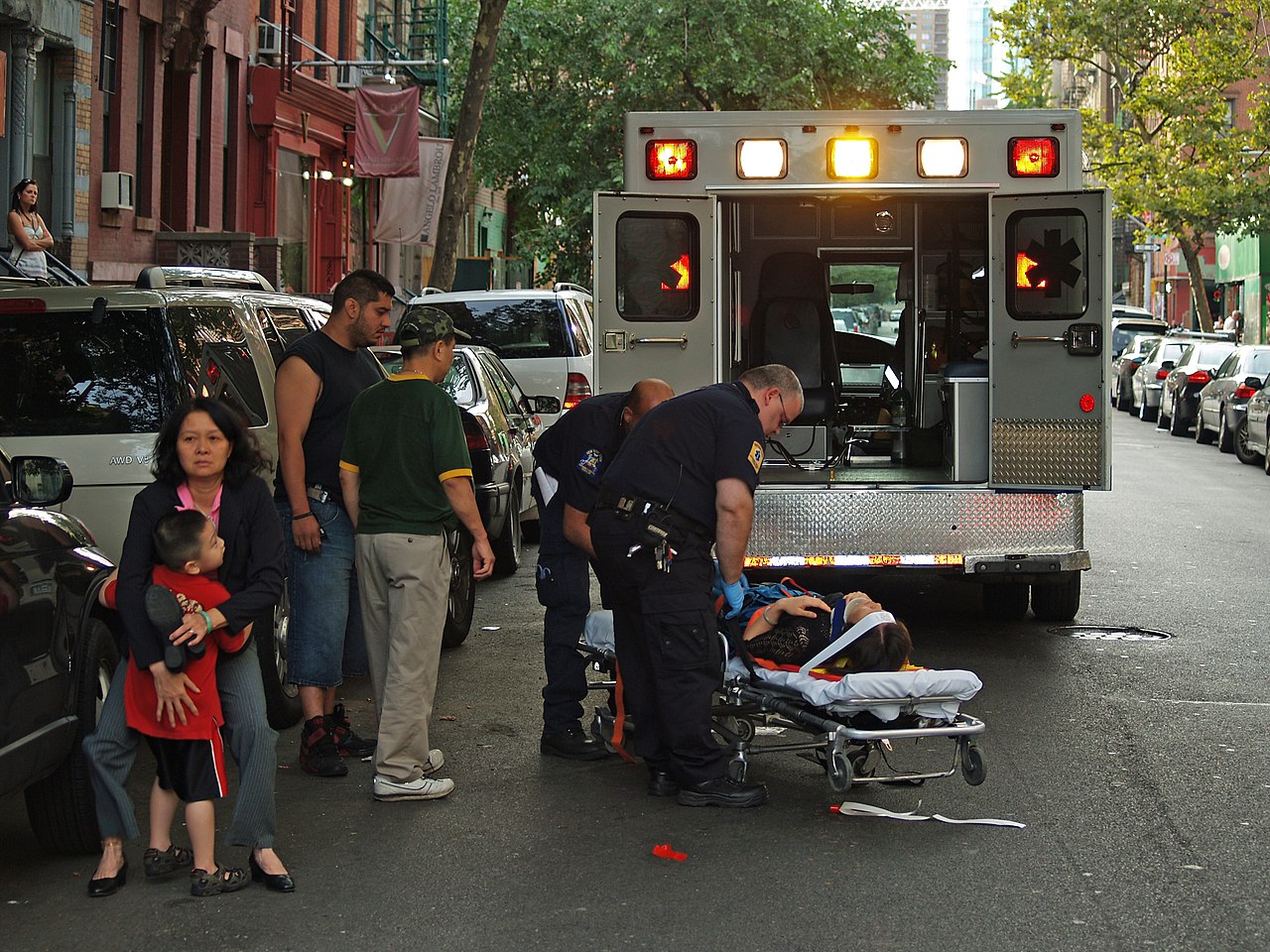
An emergency is any situation that presents an immediate risk to a person’s health, life, property or the environment (environment). Emergencies range from single-person incidents, such as a medical collapse, to events affecting whole communities, such as a natural disaster. The defining feature of an emergency is urgency: without prompt action the consequences will likely worsen. What counts as an emergency and how it is handled depends on local laws, policy frameworks and the agencies charged with response in a given jurisdiction, often established by the government.
Image gallery
3 Images

Characteristics and criteria
Typical characteristics used to identify an emergency include immediacy, potential for harm, scale and the need for specialized response. Assessments commonly consider whether there is an ongoing threat, whether people or critical infrastructure are affected, and whether ordinary resources are sufficient. Not every urgent problem is formally declared an emergency; many incidents are managed by routine services while some require multi-agency coordination, legal emergency powers, or public warnings.
Common types and examples
- Medical emergencies: heart attack, severe trauma, or sudden illness requiring rapid medical care.
- Fire and hazard incidents: structural fires, chemical spills, or gas leaks that threaten life and property.
- Natural hazards: floods, earthquakes, hurricanes and other events that can damage infrastructure and displace populations.
- Technological and human-caused incidents: power failures, transport accidents, industrial accidents, or acts of terrorism.
History and development of emergency systems
Formal emergency response and civil protection systems developed in the 19th and 20th centuries alongside urbanization, industrialization and the rise of modern public health. Over time, governments and communities created dedicated services—police, fire, emergency medical services—and layered planning frameworks for coordination, resource allocation and disaster relief. Contemporary practice emphasizes integrated risk management, resilience-building and community preparedness rather than only crisis-driven response.
Response, agencies and legal frameworks
Response to emergencies typically involves multiple actors: first responders, public health agencies, utility companies, and specialized teams for hazardous materials or search and rescue. Legal frameworks determine authority, such as when an official emergency declaration activates special powers, funding streams, evacuation orders or mutual aid agreements. In many places, emergency planning includes logistics for shelters, medical surge capacity and continuity of government functions.
Preparedness, mitigation and notable distinctions
Preparedness measures reduce harm and speed recovery. These include risk assessments, early warning systems, public education, drills, infrastructure hardening and stockpiles of equipment and supplies. Mitigation addresses root causes—land-use planning to avoid flood-prone development, seismic strengthening of buildings, or redundancies in power and communication systems. Distinctions to note: an "incident" becomes an "emergency" when urgency and scale exceed routine response; a "disaster" usually denotes an emergency with wide-reaching societal impacts. Effective management balances immediate lifesaving actions with planning that reduces future vulnerability.
Practical advice and further information
Individuals can improve outcomes by learning basic first aid, maintaining emergency kits, understanding local alert systems, and following official guidance during events. Agencies publish preparedness information and operational plans; consult authoritative local sources for details about services and responsibilities within your jurisdiction and under national government programs. For topics like public health emergencies or environmental hazards, specialized resources provide deeper guidance on prevention and response strategies (health, environment and emergency planning).
Related articles
Author
AlegsaOnline.com Emergency: Definition, Types, Response and Preparedness Leandro Alegsa
URL: https://en.alegsaonline.com/art/31121
Sources
- ukresilience.info : "UK Government Advice on Definition of an Emergency"