
Director of Central Intelligence (United States)
Former senior U.S. official who coordinated the American Intelligence Community and led the CIA until the position was replaced by the Director of National Intelligence in 2005.
The Office of the United States Director of Central Intelligence (DCI) was the senior civilian official charged with coordinating intelligence activities across the American Intelligence Community. The post was created by President Harry Truman and first filled on January 23, 1946 by Admiral Sidney Souers. For much of its existence the DCI also performed the duties of the head of the Central Intelligence Agency, a dual role that shaped how U.S. intelligence was organized and managed during the Cold War and into the early 21st century.
Image gallery
10 Images


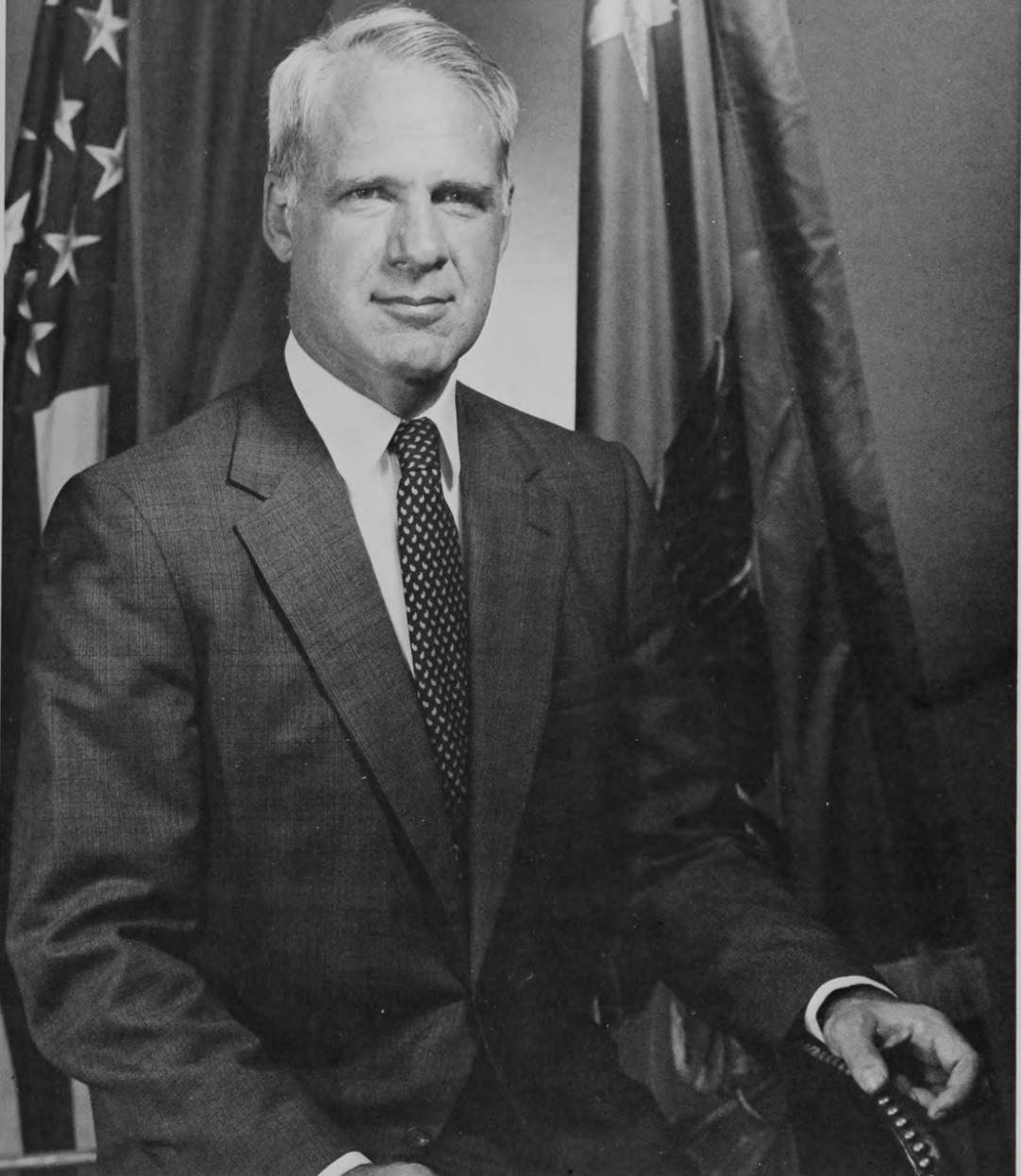


Role and responsibilities
The DCI was the principal intelligence adviser to the President and had several coordinating and managerial responsibilities. Core functions typically included:
- Overseeing and coordinating the activities of U.S. intelligence agencies to reduce duplication and improve information sharing.
- Directing the Central Intelligence Agency in practice, even when separate statutory authorities existed.
- Providing consolidated national intelligence assessments to senior policymakers, including National Intelligence Estimates and strategic analyses.
- Managing or influencing elements of budgetary and personnel matters across parts of the intelligence community, and serving as a public face for national intelligence issues.
History and development
The office was created in the immediate post‑World War II period as the U.S. government reorganized its wartime intelligence resources. Early holders sought to knit together disparate agencies into a functioning community and to provide unified reports to the president and other senior officials. Over decades the role expanded and contracted in response to changing threats, legislative action, and administrative practice.
Because the DCI commonly served simultaneously as head of the Central Intelligence Agency, the title was often used interchangeably with “CIA Director.” This duality attracted both practical advantages and criticism: it centralized authority and accountability, but also concentrated influence in a single office, sometimes complicating oversight and interagency cooperation.
Reform and replacement
The terrorist attacks of September 11, 2001 prompted broad reassessment of how U.S. intelligence was organized and coordinated. Recommendations from independent and congressional reviews argued for clearer authority over the whole intelligence apparatus to improve information sharing and strategic direction. As a result of those reforms, the statutory office that had been the DCI’s coordination function was transferred into a new position. On April 21 2005 the Office of the Director of National Intelligence (DNI) began operating, assuming the community‑wide responsibilities once handled by the DCI. After this transition the title of Director of Central Intelligence ceased to exist in its historic form.
Distinctive features and legacy
Two aspects distinguish the DCI historically. First, the office combined community coordination with direct leadership of the CIA, which made the DCI uniquely powerful but vulnerable to criticism about conflicts of interest between agency management and communitywide priorities. Second, the DCI developed many of the practices for producing consolidated intelligence assessments used by senior policymakers.
Even though the position was discontinued, its legacy persists: many of the coordination challenges and institutional practices that shaped the DCI informed the creation of the DNI and continue to influence how the United States balances agency independence with the need for unified strategic intelligence direction.
For more information, see entries on the Director of Central Intelligence, historical presidential reorganization actions under Harry Truman, and the statute establishing the Office of the Director of National Intelligence. Primary dates and names associated with the office include January 23, 1946, when the first DCI took office, and the transition date of April 21, 2005, when the DNI began operations. The Central Intelligence Agency, often conflated with the DCI role, is discussed separately as the agency led by the corresponding agency director (CIA).
Questions and answers
Q: What is the Office of United States Director of Central Intelligence?
A: The Office of United States Director of Central Intelligence was established by U.S. President Harry Truman on January 23 1946 to coordinate intelligence activities among and between the various United States intelligence agencies, also called the American Intelligence Community.
Q: Who occupied the position of the first DCI?
A: Admiral Sidney Souers occupied the position of the first DCI.
Q: What was the de facto role of the DCI?
A: Until April 2005, the DCI also served as de facto Director of the Central Intelligence Agency and was often referred to colloquially as the "CIA Director."
Q: Why was the Intelligence Community re-organized?
A: After the September 11, 2001 terrorist attacks on the United States and the subsequent investigation by the 9/11 Commission, a movement grew to re-organize the Intelligence Community.
Q: What was the outcome of the movement to re-organize the Intelligence Community?
A: That movement prompted the creation, on April 21, 2005, of the Office of the Director of National Intelligence (DNI), in whose purview was the job portfolio that had been performed previously by the Director of Central Intelligence.
Q: What happened to the position of the DCI after the creation of the DNI?
A: After the creation of the DNI, the DCI position then ceased to exist.
Q: How long did the DCI position exist?
A: The DCI position existed until April 2005, when the Office of the Director of National Intelligence took over its job portfolio, and the DCI position ceased to exist.
Related articles
Author
AlegsaOnline.com Director of Central Intelligence (United States) Leandro Alegsa
URL: https://en.alegsaonline.com/art/27602