
Director of the Central Intelligence Agency
Principal executive of the CIA who manages the agency’s intelligence activities, reports to the Director of National Intelligence, and is appointed by the President with Senate confirmation.
The Director of the Central Intelligence Agency leads the Central Intelligence Agency (CIA), the principal civilian foreign intelligence service of the United States intelligence community. The Director is responsible for setting agency priorities, overseeing intelligence collection and analysis, and managing personnel and resources. The office operates within a legal and policy framework established by the President and Congress. Appointment to the post is made by the President with input from the Director of National Intelligence and requires confirmation by the Senate.
Image gallery
10 Images


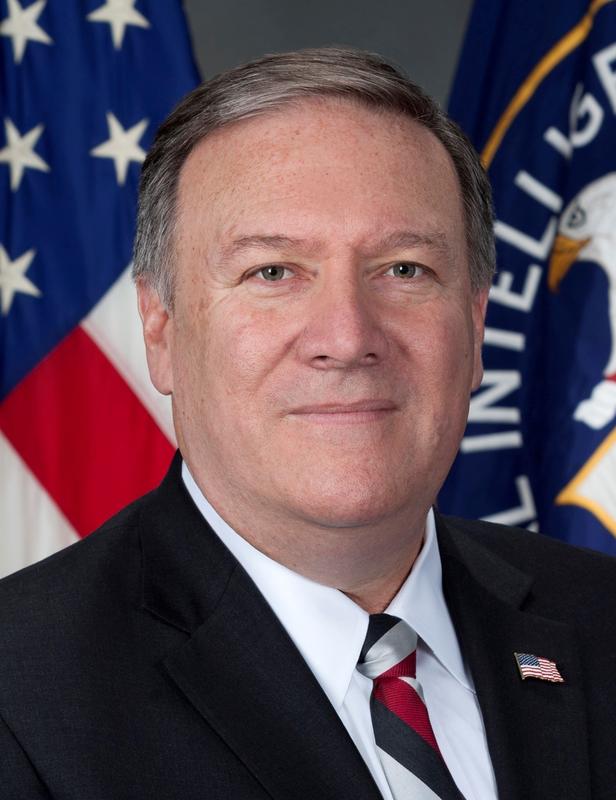
Role and responsibilities
The Director provides executive leadership for the CIA and is accountable for translating national intelligence requirements into agency programs. Typical duties include:
- Overseeing human intelligence (HUMINT), technical collection, and analytic units;
- Managing budgets, personnel policies, and internal security;
- Ensuring intelligence products meet the needs of policymakers and the President;
- Coordinating with other members of the intelligence community and relevant departments.
Appointment, tenure and oversight
The Director is nominated by the President and, after any recommendation or comment from the Director of National Intelligence, must be confirmed by a majority vote in the Senate. The Director generally serves at the pleasure of the President and is subject to congressional oversight, including testimony before intelligence committees and periodic briefings on sensitive activities.
History and institutional context
The position of Director of the CIA exists within a broader intelligence governance structure. Major reforms in the early 21st century created the separate office of the Director of National Intelligence to coordinate across agencies; as a result, the Director of the CIA is the head of the agency but reports to that community-wide executive. Earlier arrangements combined agency leadership with community-wide responsibilities under a single official; these responsibilities have since been redistributed.
Deputy and interagency relations
The Director is supported by a Deputy Director of the Central Intelligence Agency who assists in day-to-day management and may act on behalf of the Director when required. Effective performance of the office depends on close collaboration with other intelligence, defense and diplomatic officials, balancing the agency's operational missions with legal constraints and policy guidance from civilian leadership.
Notable distinctions
It is important to distinguish the Director of the CIA from the Director of National Intelligence: the former runs the CIA and its internal activities, while the latter oversees and coordinates the entire intelligence community and serves as the President's principal intelligence advisor. The Director of the CIA therefore focuses on agency management and specialized collection and analysis functions that support national security decision-making.
Questions and answers
Q: Who is the head of the Central Intelligence Agency?
A: The Director of the Central Intelligence Agency (D/CIA) serves as the head of the Central Intelligence Agency.
Q: Who does the Director of the Central Intelligence Agency report to?
A: The Director of the Central Intelligence Agency reports to the Director of National Intelligence (DNI).
Q: Who assists the Director of CIA?
A: The Deputy Director of CIA assists and supports the Director.
Q: How is a new director nominated for CIA?
A: A new director is nominated by President, with either a concurring or nonconcurring recommendation from DNI, and must be confirmed by majority vote from Senate.
Q: Is there any other role that works alongside with D/CIA in leading CIA?
A: Yes, there is a Deputy Director who works alongside with D/CIA in leading CIA.
Q: What type of vote is required for confirming a new director for CIA?
A: Majority vote from Senate is required for confirming a new director for CIA.
Q: Does D/CIA have any other roles besides being head of CIA?
A: Besides being head of CIA, D/CIA also has other responsibilities such as managing personnel and budgeting decisions related to intelligence operations.
Related articles
Author
AlegsaOnline.com Director of the Central Intelligence Agency Leandro Alegsa
URL: https://en.alegsaonline.com/art/27604
Sources
- law.cornell.edu : § 5313
- law.cornell.edu : law.cornell.edu