
Diet of Japan: Structure, Powers, and Role in Government
The Diet (Kokkai) is Japan’s bicameral national legislature. It enacts laws, approves budgets and treaties, chooses the prime minister, and oversees the cabinet from the National Diet Building in Tokyo.
Overview
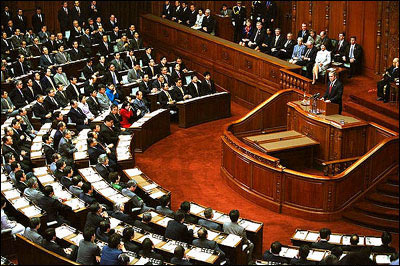
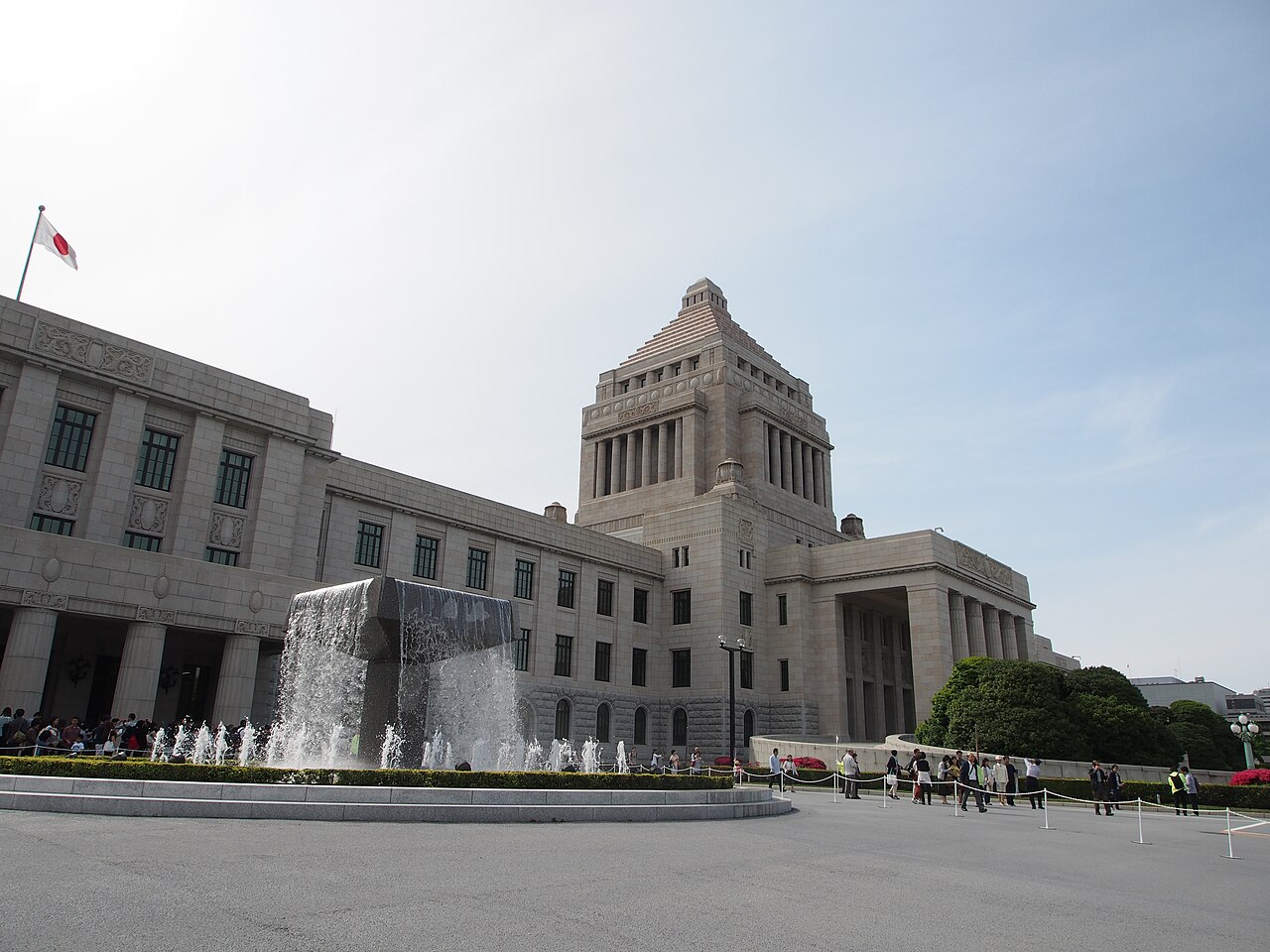
The Diet of Japan (Kokkai) is the country’s national legislature and the highest organ of state power under the postwar constitution. Its main seat is the National Diet Building in the Nagatachō district of Chiyoda, Tokyo (National Diet Building). The Diet operates within a parliamentary framework: it makes national law, sets the budget, approves treaties and exercises oversight of the executive.
Image gallery
10 Images






Composition and election
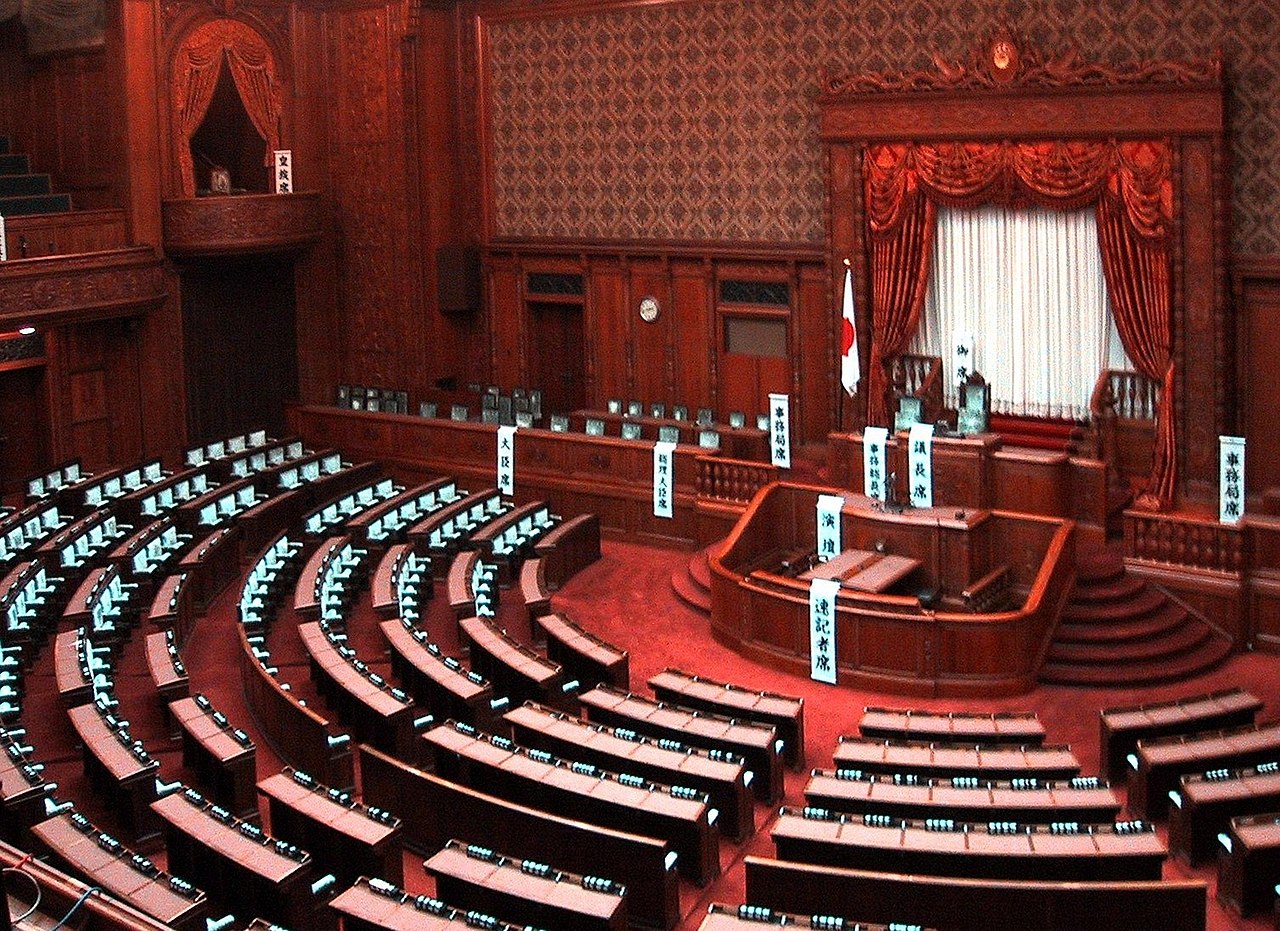
The Diet is bicameral, consisting of two chambers. The lower chamber is the House of Representatives (House of Representatives), commonly referred to as the lower house (lower house), and the upper chamber is the House of Councillors (House of Councillors). Members of both houses are chosen in national elections and are directly elected by voters (direct elections). The two chambers differ in size, term length and electoral timing: the lower house is larger and may be dissolved for a general election, while the upper house has staggered terms with roughly half the membership elected at each regular contest.
Powers and parliamentary functions
The Diet’s principal responsibilities include passing legislation, approving the annual budget, ratifying international treaties and providing political oversight of the cabinet. One of its key constitutional roles is selecting the prime minister: the Diet chooses the head of government, whose appointment is formalized by the emperor (selection of the prime minister). The lower house holds particular sway in the legislative process and in confidence matters; it can force the cabinet to resign or call a general election by passing a vote of no confidence.
Procedure and organization
Legislation typically originates in committees where specialized review occurs before bills reach the full chamber. The Diet meets in ordinary, extraordinary and special sessions; ordinary sessions are held regularly while extraordinary sessions may be convened by the cabinet or in response to political developments. When the two houses disagree, the constitution provides mechanisms—including joint committee conferences and, in certain cases, the lower house’s ability to override an upper-house decision by meeting a qualified majority—so that the legislative process can be completed.
History and significance
The modern Diet was established by Japan’s 1947 constitution, replacing the prewar Imperial Diet and embedding representative democracy in the postwar state. Over decades it has been central to the development of party politics in Japan, the formation of governments, and the public accountability of ministers. Its location in Nagatachō places it at the heart of Japan’s political and administrative district.
Key facts
- Bicameral structure: House of Representatives (lower) and House of Councillors (upper).
- Direct elections: Members of both chambers are elected by the public (direct elections).
- Prime minister: Chosen by the Diet (prime minister selection).
- Seat: National Diet Building in Nagatachō (building).
Questions and answers
Q: What is the Diet of Japan?
A: The Diet of Japan is the national bicameral legislature of Japan.
Q: Where is the National Diet Building located?
A: The National Diet Building is located in Nagatachō, Chiyoda, Tokyo.
Q: What are the two houses that make up the Diet of Japan?
A: The two houses that make up the Diet of Japan are the House of Representatives (lower house) and the House of Councillors (upper house).
Q: How are the members of the Diet of Japan selected?
A: The members of both houses of the Diet of Japan are directly elected.
Q: What is the role of the Diet of Japan in selecting the Prime Minister?
A: The Diet of Japan selects the Prime Minister.
Q: Is the Diet of Japan a unicameral or bicameral legislature?
A: The Diet of Japan is a bicameral legislature.
Q: Where is the House of Representatives located?
A: The House of Representatives is located within the National Diet Building in Nagatachō, Chiyoda, Tokyo.
Related articles
Author
AlegsaOnline.com Diet of Japan: Structure, Powers, and Role in Government Leandro Alegsa
URL: https://en.alegsaonline.com/art/27313
Sources
- books.google.com : "History"