
Director of National Intelligence (United States)
Senior U.S. official who leads and coordinates the Intelligence Community, advises the President, manages national intelligence priorities and the National Intelligence Program.
The United States Director of National Intelligence (DNI) is the principal intelligence adviser to the President and the statutory head of the U.S. Intelligence Community. Established to strengthen coordination among agencies, the DNI is a Senate‑confirmed official who operates under the authority, direction and control of the government executive branch.
Image gallery
10 Images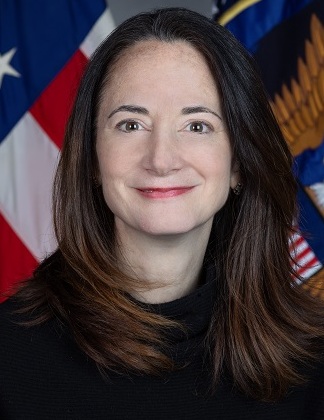


Responsibilities and functions
The DNI sets national intelligence priorities and seeks to integrate foreign, domestic and military intelligence activities across member organizations. Key duties include:
- Developing and coordinating national intelligence collection and analysis priorities;
- Overseeing the National Intelligence Program budget and allocating resources across agencies;
- Producing authoritative assessments, such as National Intelligence Estimates, on strategic issues;
- Directing certain joint organizations and centers that span agencies;
- Establishing policies to protect civil liberties and ensure lawful intelligence activities.
Organization and relationship with agencies
The DNI leads the Office of the Director of National Intelligence (ODNI) and works with the broader Intelligence Community, which includes civilian and military agencies. While the DNI has community‑wide authorities and budget control for the National Intelligence Program, most agencies retain operational control within their parent departments, so the DNI emphasizes coordination, standards, and information sharing rather than day‑to‑day command of all operations.
History and development
The post was created by the Intelligence Reform and Terrorism Prevention Act of 2004 after reviews of intelligence performance in the early 2000s. Its formation aimed to remedy gaps in coordination revealed by major incidents and to unify strategic guidance for multiple intelligence organizations. The office evolved to balance centralized planning with agency independence.
Appointment, oversight and notable points
The President nominates the DNI, and the Senate confirms the appointment. The DNI reports to the President and is expected to work closely with Cabinet officials, Congress, and homeland security entities. Notable aspects of the position include its role in budgetary leadership, the production of community‑wide assessments, and the statutory duty to protect civil liberties while enabling effective intelligence collection and analysis.
The DNI plays a central role in shaping how U.S. intelligence agencies cooperate, prioritize threats, and deliver consolidated intelligence to policymakers and the public, making it a pivotal office in national security decision making.
Questions and answers
Q: What is the role of the Director of National Intelligence?
A: The Director of National Intelligence is a United States government official who is responsible for the intelligence activities of the country.
Q: What is the scope of the Director of National Intelligence's authority?
A: The Director of National Intelligence is subject to the authority, direction and control of the President.
Q: Is the Director of National Intelligence responsible for anything related to terrorism?
A: Yes, the Director of National Intelligence is responsible for terrorism prevention under the Intelligence Reform and Terrorism Prevention Act of 2004.
Q: What law established the Director of National Intelligence's role?
A: The Intelligence Reform and Terrorism Prevention Act of 2004 established the Director of National Intelligence's role.
Q: What other government officials does the Director of National Intelligence answer to?
A: The Director of National Intelligence is subject to the authority, direction and control of the President.
Q: Can the Director of National Intelligence act independently of the President's authority?
A: No, the Director of National Intelligence is subject to the authority, direction and control of the President.
Q: What is the Director of National Intelligence's primary responsibility?
A: The Director of National Intelligence is primarily responsible for ensuring the intelligence activities of the United States are effective and efficient.
Related articles
Author
AlegsaOnline.com Director of National Intelligence (United States) Leandro Alegsa
URL: https://en.alegsaonline.com/art/27603