
Allergen — substances that trigger allergic reactions
An allergen is a substance that provokes an immune response in susceptible people. This article reviews common sources, how reactions develop, testing, treatment, and prevention.
Overview
An allergen is any substance that can cause an abnormal immune response in a person who has become sensitized to it. In allergic reactions the immune system treats otherwise harmless materials as threats, producing symptoms that range from mild irritation to life‑threatening anaphylaxis. Not every exposure causes a reaction: allergy depends on individual sensitivity, dose, and route of contact.
Image gallery
4 Images

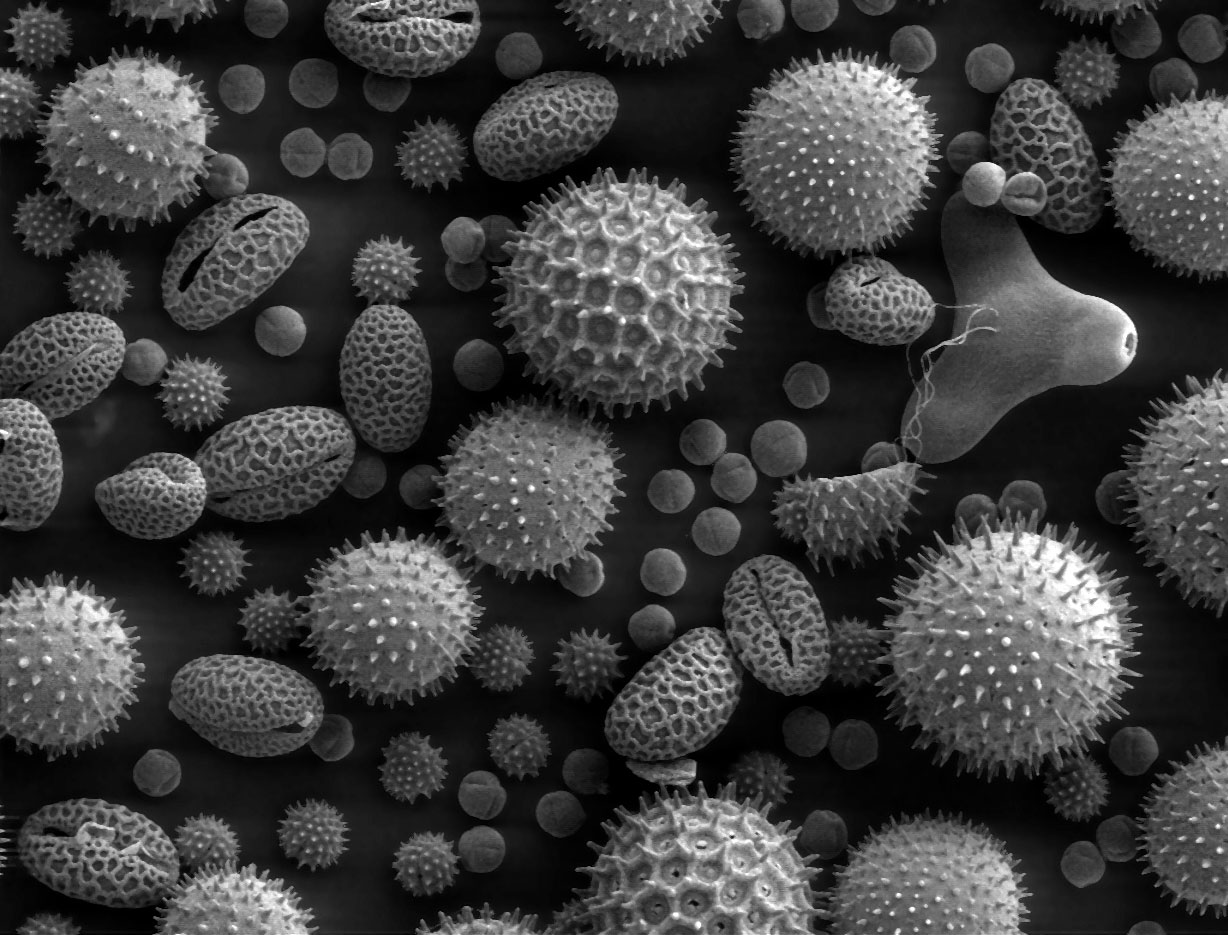

Common sources and categories
Allergens are often grouped by how people encounter them. Inhalant allergens affect the respiratory tract; contact allergens act on the skin; food allergens are ingested; and drugs or insect venoms are less common but can be severe.
- Dust, especially dust mite protein and household dust components
- Pollen from trees, grasses and weeds, a major seasonal trigger
- Chlorine and other chemical irritants that may provoke contact reactions
- Perfume and fragranced products that can cause contact or respiratory symptoms
- Peanuts and peanut-containing foods, a common and sometimes severe food allergen
- Tree nuts and other edible nuts implicated in food allergy
- Seafood such as fish and related products
- Shellfish including crustaceans and mollusks, often causing intense reactions
How allergic reactions develop
Allergic reactions typically require prior sensitization. The immune system produces antibodies (often IgE) against the allergen; on re‑exposure these antibodies trigger cells to release histamine and other mediators. The resulting effects—sneezing, itching, hives, swelling, wheeze, or gastrointestinal symptoms—reflect where the allergen contacts the body.
Diagnosis and management
Diagnosis relies on a detailed history and may include skin prick testing or blood tests for specific antibodies. Management emphasizes avoidance of known triggers, symptomatic drugs (antihistamines, inhaled steroids), and emergency plans for severe reactions. Immunotherapy (allergy shots or sublingual tablets) can reduce sensitivity for some inhalant and venom allergies. For suspected food or drug allergy, supervised testing and professional guidance are essential.
Prevention, distinctions and notable points
Prevention strategies include environmental control (reducing dust and mould), reading labels for food allergens, and using non‑scented products. It is important to distinguish true immune‑mediated allergy from intolerance or irritant responses: food intolerance, for example, does not involve the immune system in the same way. Cross‑reactivity can occur when proteins in different substances are similar, so clinicians consider related exposures when advising patients.
When to seek help
Anyone with breathing difficulty, swelling of the face or throat, fainting, or other signs of shock after exposure to a suspected allergen should receive immediate emergency care. For ongoing symptoms or uncertain triggers, consult a healthcare professional or an allergy specialist for assessment and a personalized management plan.
Related articles
Author
AlegsaOnline.com Allergen — substances that trigger allergic reactions Leandro Alegsa
URL: https://en.alegsaonline.com/art/2805