
Alkene (olefin): unsaturated hydrocarbons with carbon–carbon double bonds
Alkenes (olefins) are hydrocarbons containing at least one carbon–carbon double bond (general formula CnH2n for simple acyclic monoenes). They are important in chemistry, industry and biology.
Overview
An alkene, also called an olefin, is an organic chemical compound that contains at least one carbon–carbon double bond. By virtue of that multiple bond the molecule is unsaturated, meaning it can undergo addition reactions that saturated compounds generally cannot. Simple open-chain alkenes with a single double bond and no rings or other groups follow the empirical formula CnH2n. Names of common members end in the suffix -ene.
Image gallery
10 Images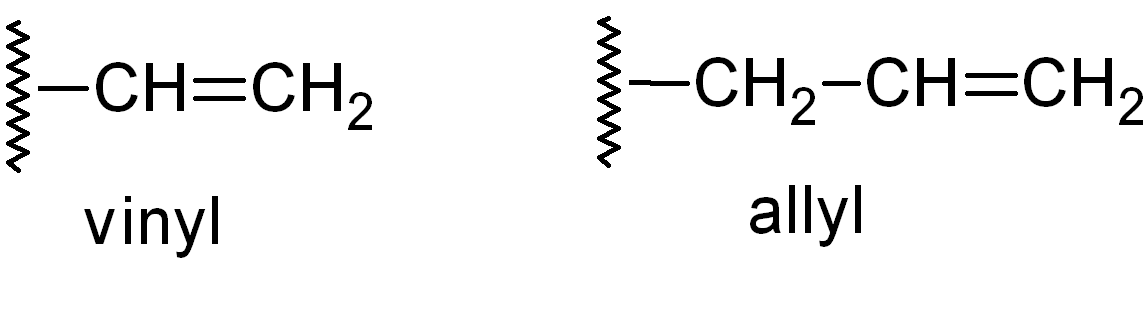


Structure and key properties
The double bond is formed by one sigma and one pi bond between two carbon atoms. Each doubly bonded carbon is approximately trigonal planar with sp2 hybridization; substituents lie near a plane and rotation about the double bond is restricted. This restricted rotation permits geometric (cis–trans or E/Z) isomerism when the two carbons have different substituents. The pi bond is electron-rich and more reactive than a sigma bond, so alkenes participate readily in electrophilic addition reactions.
Nomenclature and classification
IUPAC names for alkenes locate the double bond by numbering the longest carbon chain that contains it and use the suffix -ene. Acyclic monoenes follow the general formula mentioned above, while dienes and polyenes contain two or more double bonds. Cyclic systems with a double bond are called cycloalkenes and do not follow the same formula. Compounds with alternating double bonds linked in a ring (aromatic compounds) have special electronic properties and are treated separately from alkenes.
Common reactions and laboratory tests
Alkenes undergo characteristic transformations such as hydrogenation (addition of H2), halogenation, hydrohalogenation, hydration, and polymerization. Ozonolysis and permanganate oxidation are oxidative cleavages that break the double bond. Simple qualitative tests exploit alkene reactivity: for instance, bromine in an inert solvent is decolorized by many alkenes, and cold, dilute potassium permanganate will oxidize many double bonds to give diols, causing a color change.
Uses and significance
Alkenes are central to the chemical industry. Ethylene (ethene) and propylene (propene) are major building blocks for plastics (e.g., polyethylene and polypropylene), solvents, fibers and many other materials. Their reactivity also makes them useful intermediates for producing alcohols, aldehydes, acids and a wide range of fine chemicals. In nature, unsaturated hydrocarbons appear in terpenes, lipids and signalling molecules.
Distinctions and notable facts
Aromatic compounds are sometimes drawn as cyclic structures containing double bonds but should not be conflated with alkenes because of their delocalized pi systems and distinct reactivity. The presence of a double bond is sometimes described as the molecule being unsaturated, and alkenes differ from functional groups such as carbonyls or alcohols in behavior and naming. Historically the term olefin (oil-forming) reflects the oily character of many lower alkenes. For foundational context on organic reactivity and terminology see general texts in organic chemistry and resources on chemical compounds.
- Simple alkenes: ethene, propene, butene.
- Tests: bromine decolorization, permanganate (Baeyer) test.
- Industrial importance: monomers for polymers and petrochemical feedstocks.
Further reading may explore mechanism details (electrophilic addition and radical polymerization), stereochemical notation (E/Z), and the role of catalysts in selective addition and polymerization processes. For summaries on basic classes of hydrocarbons, see introductory materials on hydrocarbons and organic functional groups.
Questions and answers
Q: What is an alkene?
A: An alkene, olefin, or olefine is an unsaturated chemical compound containing at least one carbon-to-carbon double bond.
Q: What is the general formula for the simplest alkenes?
A: The general formula for the simplest alkenes is CnH2n.
Q: Are aromatic compounds considered to be alkenes?
A: No, aromatic compounds are not considered to be alkenes despite often being drawn as cyclic alkenes.
Q: Why are alkenes more reactive?
A: Alkenes are more reactive due to their unsaturation caused by the double bond in the middle.
Q: What happens when bromine comes in contact with an alkene?
A: When bromine comes in contact with an alkene, it will take the color out of bromine.
Q: How do you recognize an alkene's name?
A: The names of alkenes always end with -ene.
Q: What are hydrocarbons?
A: Hydrocarbons are organic compounds composed of only hydrogen and carbon atoms.
Related articles
Author
AlegsaOnline.com Alkene (olefin): unsaturated hydrocarbons with carbon–carbon double bonds Leandro Alegsa
URL: https://en.alegsaonline.com/art/2667
Sources
- doi.org : 10.1351/pac199567081307