
Demilitarized zone: definition, purpose, history and notable examples
A demilitarized zone (DMZ) is a land or maritime area from which military forces are excluded to reduce conflict, create buffers, or implement treaties; it has legal, environmental and political significance.
A demilitarized zone is an area where armed forces, fortifications and sometimes weapons are prohibited or strictly limited by agreement. Such zones are intended to reduce the risk of clashes by creating a buffer between hostile parties. In practice a DMZ can be established by bilateral or multilateral treaties, armistice accords, or international decisions; the exact restrictions and how they are enforced vary by agreement and circumstance. For example, the term is commonly used to describe areas without military forces to prevent direct fighting.
Image gallery
6 Images


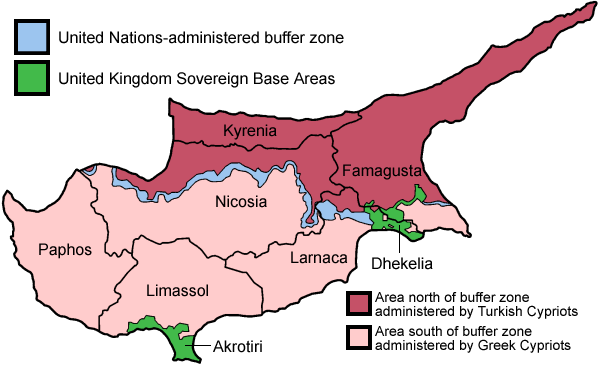


Characteristics and forms
Demilitarized zones may be narrow strips along borders, wider buffer areas, or even maritime zones. They can prohibit troops, fortifications, aircraft, or certain types of weapons. Enforcement arrangements differ: some DMZs are monitored by observers or peacekeepers, others rely on mutual compliance and diplomatic pressure. A DMZ is distinct from complete demobilization or a neutral territory in that it focuses specifically on limiting military presence rather than altering sovereignty.
Historical examples
Notable instances illustrate the variety of DMZs. The most widely known modern example is the Korean DMZ, created after the 1953 armistice and located along the boundary between North Korea and South Korea, often called simply the Korean Demilitarized Zone. Despite the name, both sides maintain heavy forces close to the boundary; strict limits apply within the zone itself, and the area has become a de facto wildlife refuge in parts, noted for preserved wildlife.
Another historical case was the Rhineland, which after World War I was designated a demilitarized region under postwar treaties until it was reoccupied and remilitarized in the 1930s. Such changes show that DMZ status can be temporary and subject to political shifts.
Uses and significance
DMZs serve several functions: they reduce immediate military tension, create space for diplomacy, and sometimes enable humanitarian access. They also have unintended consequences — for example, restricted human activity in some DMZs has allowed ecosystems to recover, while close military concentrations outside a zone can keep tensions high. Enforcement often relies on international monitoring or the credibility of treaty partners; violations may prompt sanctions, negotiations, or, in extreme cases, renewed conflict. The presence of troops and soldiers or nearby stockpiles of weapons just beyond a zone highlights that a DMZ reduces, but does not eliminate, strategic risk.
Types, limits and notable facts
- Border DMZs: created to separate opposing states, as on the Korean Peninsula (Korean DMZ).
- Internal DMZs: sometimes set up within states during civil conflicts to protect populations or humanitarian corridors.
- Maritime DMZs: temporary exclusion zones at sea to prevent naval clashes or protect shipping lanes.
International actors, including regional powers and peacekeeping forces, may play a role in supervision. For instance, the long-term presence of allied forces has been a feature of some Cold War-era DMZ arrangements, exemplified by the continuing substantial American military role in certain regions. For further reading on legal frameworks and specific case studies see resources linked below (military law overview, conflict prevention, Rhineland history).
Understanding DMZs requires attention to treaty language, verification measures and political context. While they are valuable tools for reducing direct confrontation, their effectiveness depends on compliance, monitoring and the broader security environment.
Related articles
Author
AlegsaOnline.com Demilitarized zone: definition, purpose, history and notable examples Leandro Alegsa
URL: https://en.alegsaonline.com/art/26474