
Desertion — willful abandonment of military duty
Desertion is the willful abandonment of a military post or duty with no intention to return. This article covers definitions, legal consequences, history, motives, notable cases, and how it differs from AWOL and draft evasion.
Desertion is the deliberate leaving of a military post, unit, or assignment without authorization and with the intent not to return. In many armed forces the distinction between temporary unauthorized absence and desertion rests primarily on the service member’s intent: absence without leave is often used when a return is expected, while desertion denotes an intention to abandon duty. Legal and operational definitions vary by country and by military code, but the practical difference commonly depends on duration, circumstances, and demonstrated intent.
Image gallery
10 Images




Definitions and legal framework
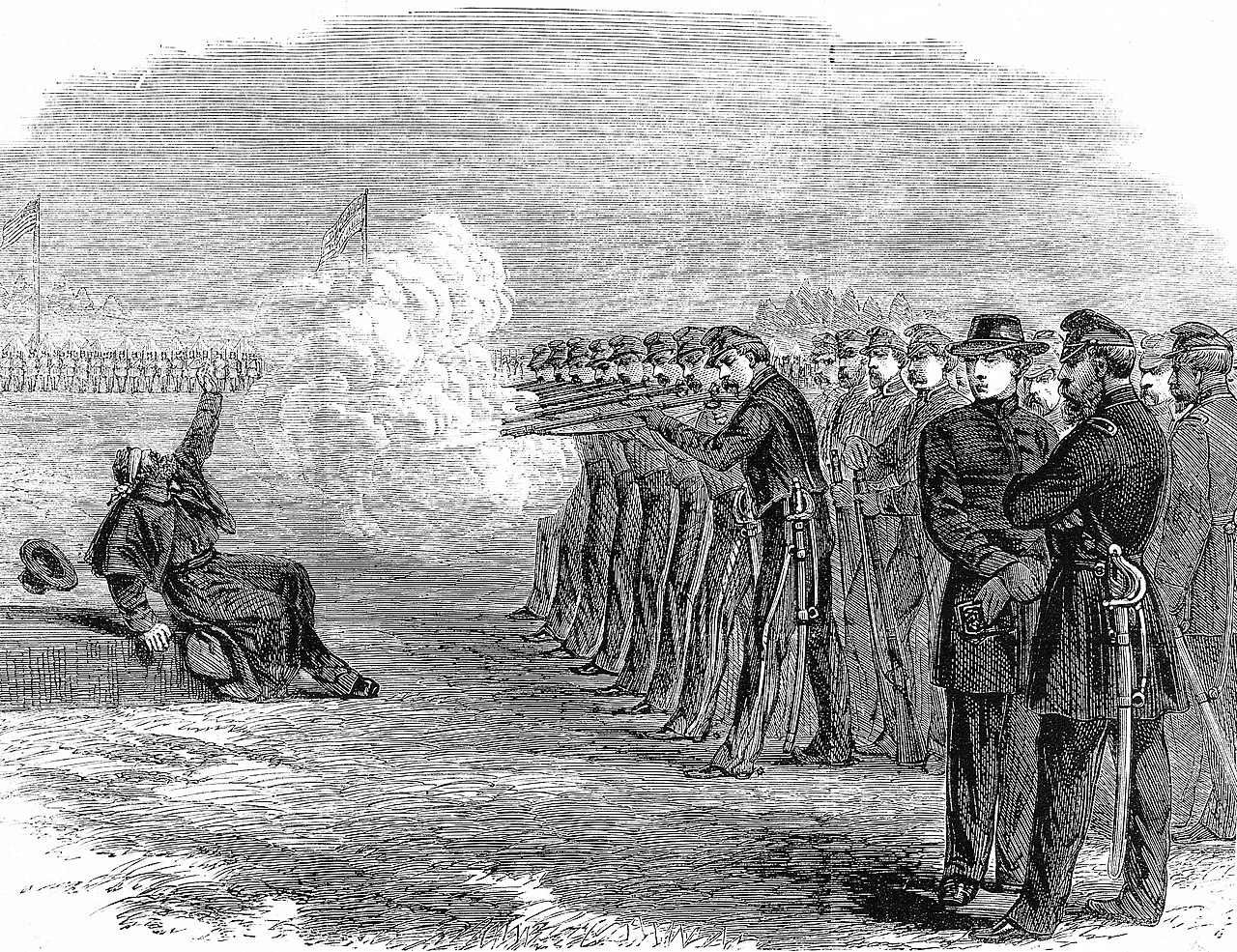
Most modern militaries define desertion within their disciplinary codes or statutes. For example, under systems like the military justice frameworks used by several states, an absence exceeding a set period (often around 30 days in practice) can be treated as desertion if evidence suggests no plan to return. Military law treats desertion as a serious offense; historically some codes allowed capital punishment during wartime, though executions have been rare in recent decades. Courts and tribunals assess circumstances such as voluntary surrender, hostile capture, or coercion when deciding charges.
Causes and typical circumstances
Reasons for desertion are varied and include fear in combat, moral objection to orders, family emergencies, political protest, severe mistreatment, or an unwillingness to serve. Desertion can occur in peacetime or wartime and is distinct from draft evasion, which occurs before enlistment or induction. Some service members leave to avoid violent combat or because of declining mental health; others desert for personal or ideological reasons. Many militaries attempt to address root causes through counseling, improved welfare, and clearer regulations.
Consequences and punishments
Penalties for desertion range from administrative actions, loss of pay and rank, and imprisonment after a court-martial, to, in extreme historical cases, execution. International practice has shifted toward imprisonment and administrative sanctions rather than capital punishment. Notable legal distinctions include whether the act was committed during declared war, whether classified information or equipment was compromised, and whether the deserter later returned to face justice.
History and notable cases
Desertion has been recorded in every major conflict. Famous case law and public controversies have shaped public perceptions; for example, one well-known U.S. case in World War II led to an execution that remains a prominent historical example of the severe treatment of desertion in wartime. In later 20th and 21st century conflicts, prosecutions and sentences have varied widely according to the conflict, military culture, and political context. Public debate often focuses on fairness of punishment, treatment of conscientious objectors, and the balance between discipline and compassion.
Distinctions and related terms
- AWOL (Absence Without Leave) — typically used when a service member has left but likely intends to return; duration thresholds differ by service.
- Draft evasion — avoiding conscription before or at the point of induction, legally distinct from desertion.
- Surrender or capture — being taken by the enemy is not desertion if the individual did not voluntarily abandon their unit.
For further reading about military discipline and legal processes, see materials on military law and resources addressing individual cases and policy debates. Some sources discuss specific conflicts such as the Iraq War when examining modern patterns of prosecution and sentence lengths. Historical overviews and academic studies of refusal and desertion also appear under topics like military sociology and wartime morale, and many readers consult biographies and court records for notable examples involving particular service members or trials.
Note: Desertion remains a sensitive legal and moral issue. Punishments and policy responses continue to evolve as militaries seek to balance the need for discipline with assessments of the personal and ethical circumstances that lead individuals to abandon their duties.
See related legal sources and historical case studies for in-depth discussion: historical penalties, military procedure handbooks, and contemporary commentary on disciplinary practice.
Related articles
Author
AlegsaOnline.com Desertion — willful abandonment of military duty Leandro Alegsa
URL: https://en.alegsaonline.com/art/26837
Sources
- jewishvirtuallibrary.org : "Eddie Slovik"
- nlgmltf.org : On Watch "AWOL in the Army, version 2.0", James M. Branum and updated by and Susan Bassein.