
Destroyer (naval warship)
A destroyer is a fast, maneuverable warship used to escort larger vessels and perform antisurface, antisubmarine, and antiaircraft roles from the late 19th century to modern navies.
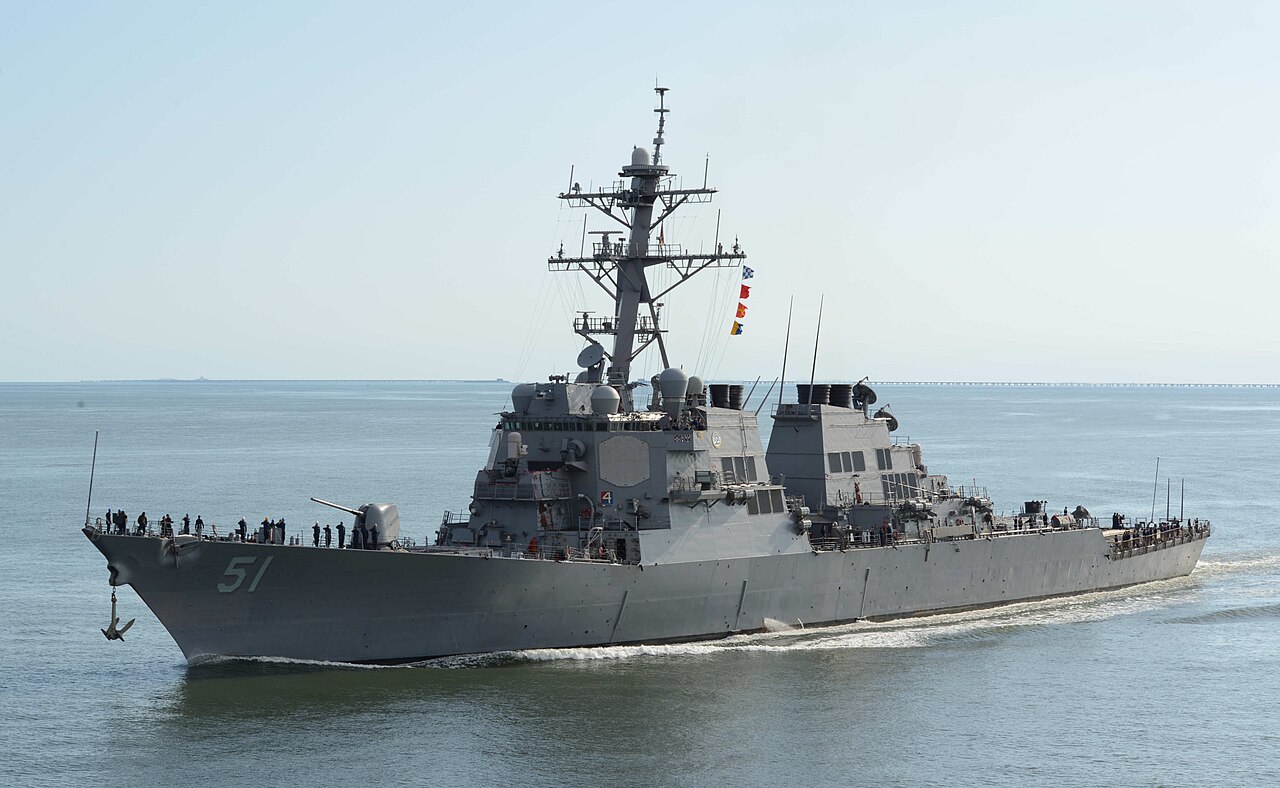
A destroyer is a specialized naval warship designed for speed, maneuverability and versatile combat roles. Originally conceived to protect fleets from small, fast torpedo boats, destroyers evolved into multi-role surface combatants that screen and support larger capital ships, amphibious forces and carrier strike groups. For a basic overview of the type and function, see this source.
Image gallery
10 Images


Characteristics and equipment
Modern destroyers combine high propulsion power, radar and sensor suites, and a mix of offensive and defensive weapons. Typical features include vertical launch systems for guided missiles, guns with automated turrets, torpedo tubes, close-in weapon systems and sophisticated electronic warfare and anti-submarine sensors. Common armaments and systems are listed below.
- Missile systems: surface-to-air, surface-to-surface and cruise missiles.
- Guns: medium-caliber automatic gun mounts for surface and shore targets.
- Anti-submarine gear: hull-mounted and towed sonars, ASW rockets and torpedoes.
- Defensive aids: decoys, electronic countermeasures and close-in weapon systems.
History and development
Destroyers first appeared in the late 19th century as "torpedo boat destroyers" to protect larger ships from torpedo attacks. The role expanded through World War I and World War II, when destroyers performed convoy escort, fleet screening, patrol, and antisubmarine warfare tasks; see accounts of their service in major conflicts World War I and World War II. After mid-20th-century advances, many navies replaced older escorts with larger, more capable destroyers that combined air defense, strike, and ASW functions.
Roles, operations and importance
Destroyers operate in fleets, maritime patrols and independent missions. Their primary roles are air defense for carrier groups, surface strike with cruise missiles, antisubmarine warfare, and protection of merchant convoys. Destroyers also support amphibious landings and maritime security operations such as interdiction and search-and-rescue. For contemporary capability descriptions see modern armament overview.
Notable distinctions and trends
While some larger surface combatants are classified as cruisers, most modern surface combatants in active service are destroyers; only a few navies still operate vessels called cruisers. Technological trends include greater automation, networked sensors, and increased missile capacity. A limited number of naval platforms can carry strategic missiles or integrate with nuclear deterrent systems in national fleets; descriptions of such strategic roles are discussed cautiously in defense summaries.
Destroyers remain central to modern naval doctrine because they offer a flexible balance of speed, protection and firepower, making them indispensable for both peacetime presence and high-intensity conflict.
Related articles
Author
AlegsaOnline.com Destroyer (naval warship) Leandro Alegsa
URL: https://en.alegsaonline.com/art/26891
Sources
- navy.mil : "The US Navy Destroyers"
- militaryfactory.com : "Destroyers"
- navysite.de : "US NAVY - DESTROYERS"