
Debate (formal and informal argumentation)
Overview of debate as a structured method of argument: forms, participants, history, uses in public life and education, and how outcomes are determined.
Overview
Debate is a structured form of argument in which two or more parties present opposing positions on a defined question or issue. Unlike a private quarrel, debate is shaped by rules and a shared aim: to test ideas, persuade an audience, or help a decision-making body reach a conclusion. Participants use evidence, reasoning, and rhetorical techniques to advance their case and respond to challenges from opponents.
Image gallery
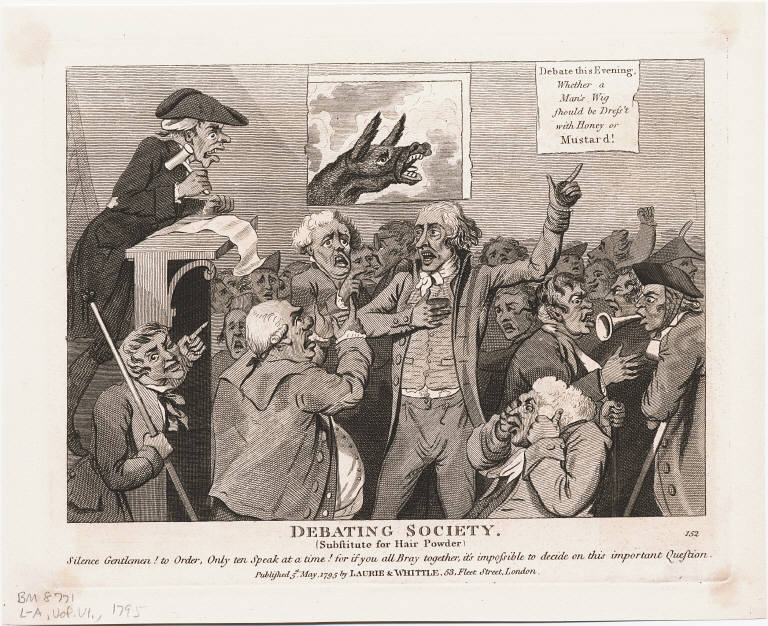
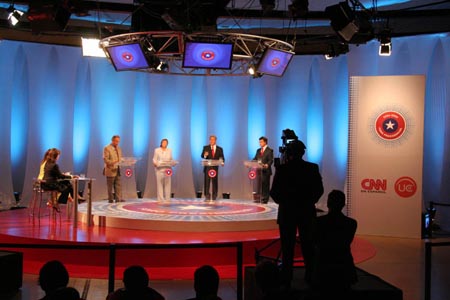
9 Images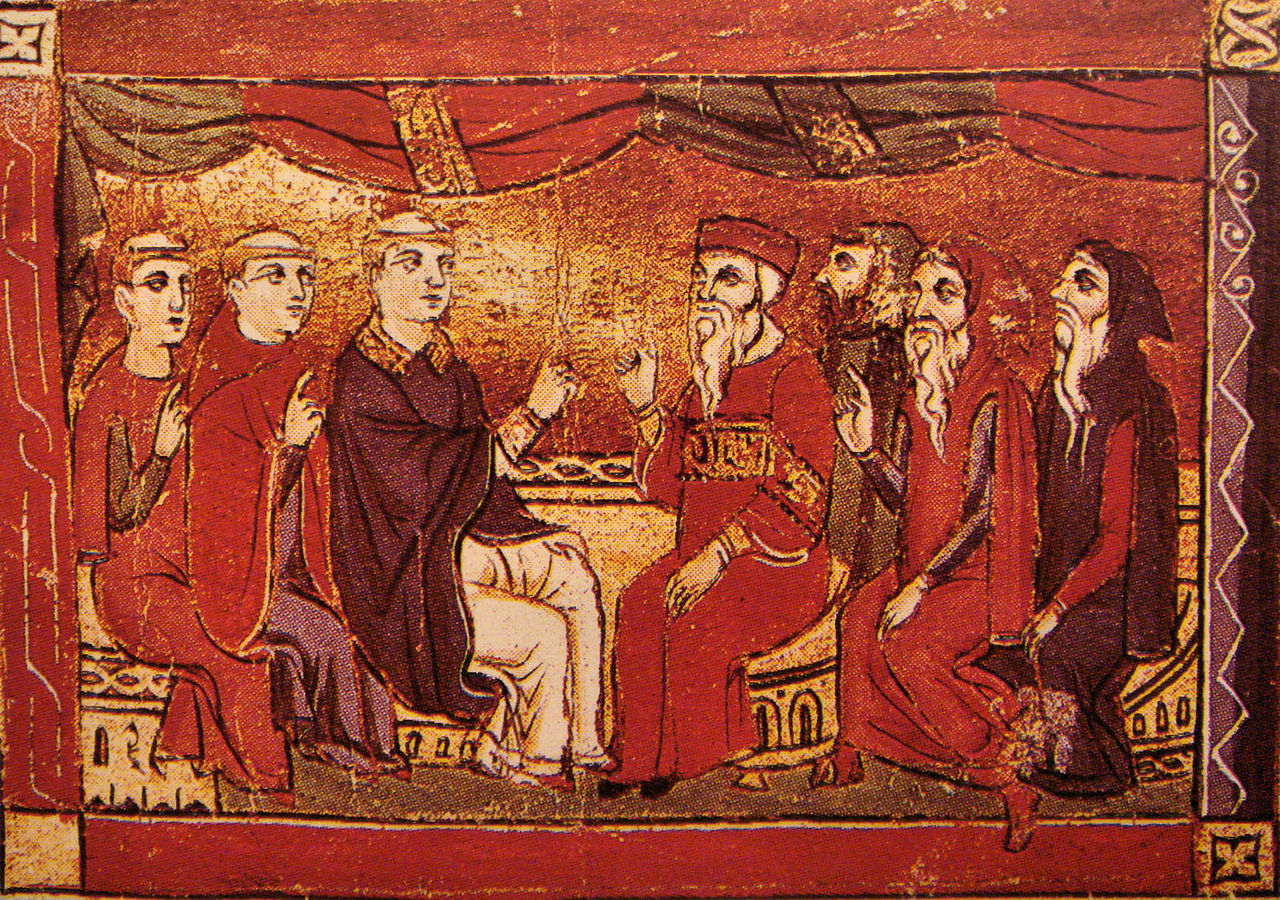



Core features and roles
Most debates have a clear proposition or motion that frames the contest. Typical roles include proposers (or affirmative side) and opposers (or negative side); in formal settings there are also moderators, timekeepers and judges. Effective debating blends logical argumentation with attention to audience perception: speakers not only try to be correct, but to be convincing.
- Motion or question: the specific claim under contention.
- Constructive speeches: initial presentations of each side's case.
- Rebuttal and refutation: responses that identify weaknesses in the opponent's position.
- Judging or voting: a mechanism to determine which argument carried more weight.
Formats and settings
Debates range from informal conversations and classroom exercises to highly regulated competitive formats and public political debates. Common formats include parliamentary-style debate, policy debate, Lincoln–Douglas style, and Oxford-style motions. Deliberative assemblies such as parliaments and councils use debate to examine legislation and public policy, while media-oriented debates between electoral candidates are designed for the general electorate.
Different institutions emphasize different goals: academic competitions prioritize clarity and evidence, legislative debates stress the merits of policy, and public debates often balance substance with persuasion aimed at undecided listeners. For example, televised candidate debates aim to inform voters while showcasing leadership qualities and temperament.
History and development
Debating as a formal practice dates back to ancient public forums and schools of rhetoric. Over centuries, it evolved alongside political institutions and educational systems. Competitive debating societies and university teams developed standardized rules and adjudication methods to train critical thinking and public speaking.
Uses, importance, and notable distinctions
Debate serves several civic and educational functions: clarifying complex issues, exposing weaknesses in proposals, and helping groups make informed choices. It is also a pedagogical tool that strengthens research skills, logical reasoning, and oral expression. Informal disputes can be resolved through debate-like discussion, while formal debates may conclude by vote, judgment, or consensus.
- Public deliberation in assemblies and courts supports transparent decision-making: see deliberative bodies.
- Competitive and educational debate develops argument skills: see judging practices.
- Political debates shape campaigns and voter opinions: see examples such as presidential debates.
Related concepts and additional notes
Debate overlaps with discussion, negotiation and negotiation-based conflict resolution, but differs in its emphasis on contest and adjudication. Disputes and conflicts may be channeled into debate to avoid violence and build public consensus: compare dispute resolution and conflict management. The method of presenting logical arguments is closely connected to rhetoric and formal logic: see logical argument and the role of audience perception in persuasion (audience and persuasion).
Because an issue typically divides into competing positions, clarity about the question being debated is essential (the debate question). Modern democratic states commonly feature candidate debates—historically prominent examples include national leadership contests such as those between candidates for vice-presidential or presidential offices, and party leader debates in parliamentary systems like Great Britain and Canada. For further reading on debate techniques and conventions, see introductory resources on the method of argument.
Related articles
Author
AlegsaOnline.com Debate (formal and informal argumentation) Leandro Alegsa
URL: https://en.alegsaonline.com/art/26065