
Degenerate Art (Entartete Kunst) — Nazi condemnation of modern art
Summary of the Nazi label "degenerate art", the 1937 exhibition in Munich, state policies that suppressed modernism, effects on artists and collections, and the postwar legacy and restitution efforts.
Overview
The term entartete Kunst (literally "degenerate art") was the pejorative name used by the Nazi regime in Germany to delegitimize a wide range of contemporary artistic practices. Officials sought to define what they called modern art as immoral, culturally harmful or politically suspicious, labeling works and artists as "un-German" or influenced by perceived foreign or subversive forces. The term covered diverse movements—expressionism, Dada, surrealism, abstraction and related avant-garde tendencies—without regard to their differing aims or origins.
Image gallery
8 Images





Origins and ideological context
The campaign against modern art formed part of a broader cultural program that promoted an idealized, figurative aesthetic linked to nationalist and racial ideology. Art was expected to serve propaganda and social engineering goals: portrayals of an idealized national community, rural life and heroic bodies were favored, while experimentation and perceived foreign influence were condemned. The rhetoric often invoked themes such as "blood and soil" and an emphasis on order and tradition; officials also praised works that embodied militaristic or heroic ideals connected to militarism.
The 1937 Munich exhibition and state practice
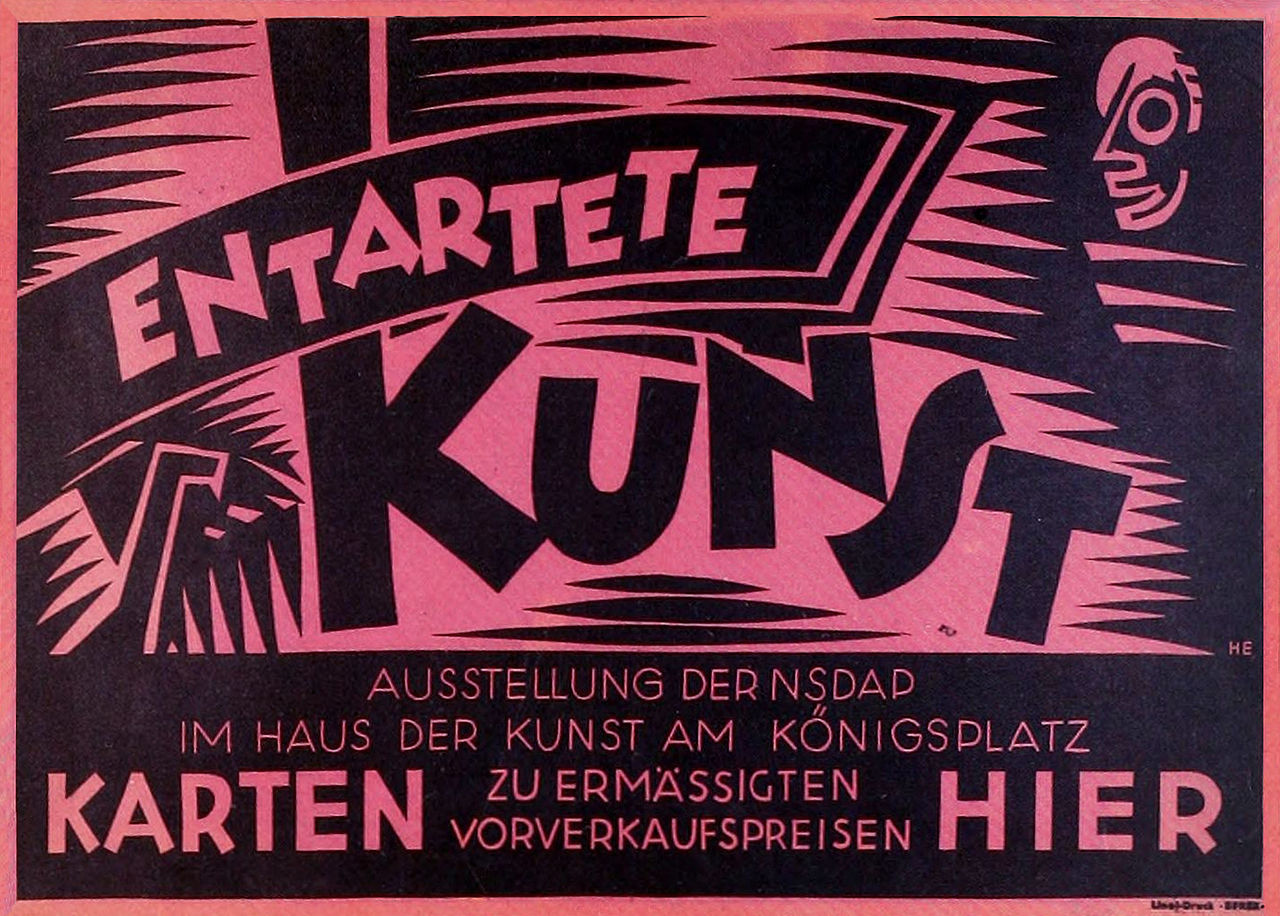
Most prominently the label became public through a 1937 exhibition in Munich, commonly referred to as the "Degenerate Art" show. The display assembled confiscated works from German museums and private collections and presented them in a deliberately chaotic and denigrating manner to shape public opinion. The exhibit in Munich was accompanied by an official propaganda program and later traveled through other cities in Germany and Austria. In parallel, the state organized sanctioned exhibitions to promote approved, traditional art exemplars.
Targets and sanctions
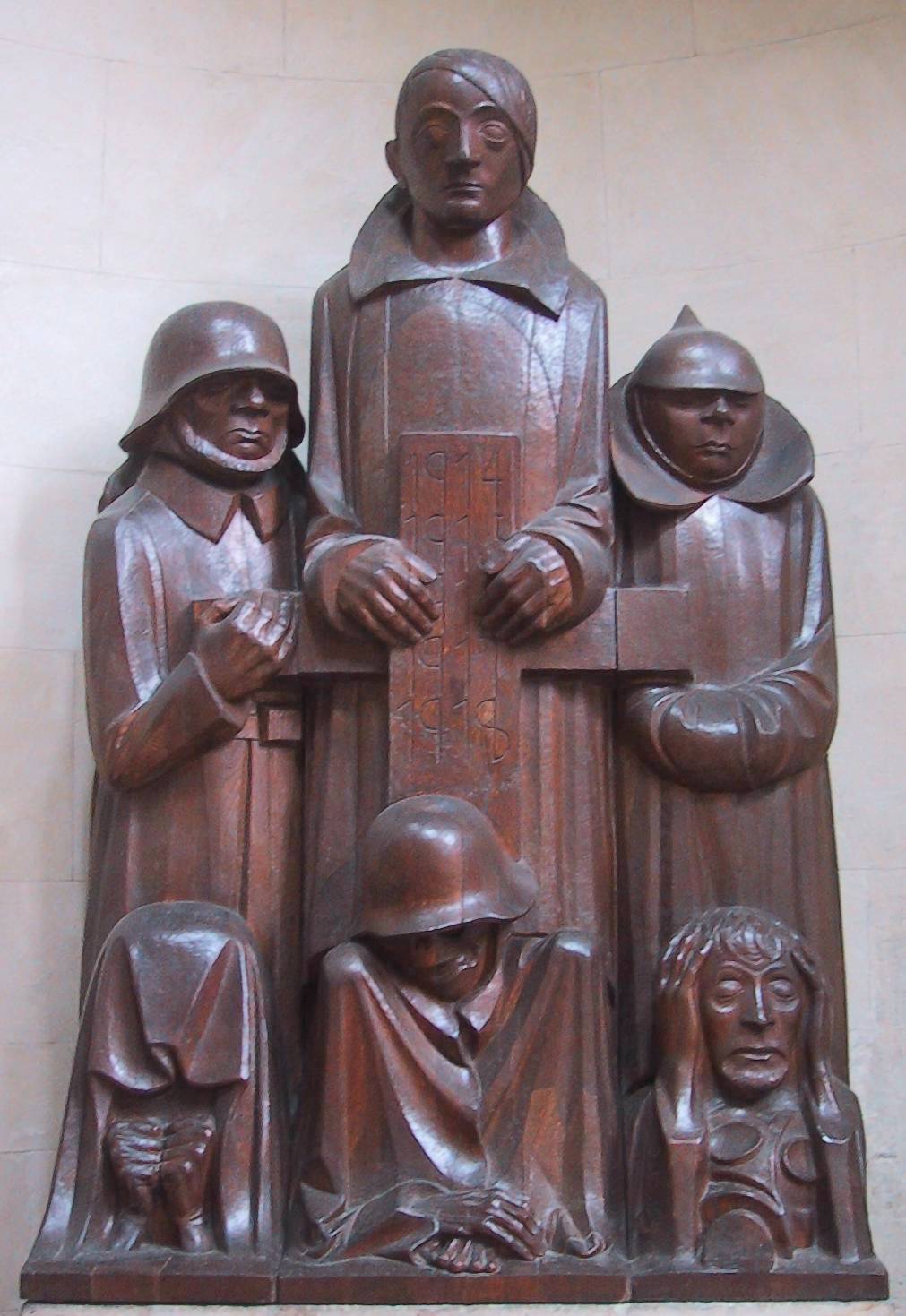
Artists and artworks judged "degenerate" faced punitive measures: dismissal from teaching posts, bans on exhibiting or selling, seizure of works, and in some cases prohibitions on practising their art. Museums were required to remove or transfer pieces; some works were sold abroad by authorities to raise foreign currency, others were destroyed or lost during wartime upheaval. Paintings and sculptures singled out in official lists included many important modern works that were later dispersed from public collections or private holdings .
Culture beyond the visual arts
The cultural controls extended beyond painting and sculpture. Music and the performing arts were regulated: authorities favored tonal and traditional musical forms and rejected genres associated with non-Aryan cultures such as jazz. Film, theatre and literature were subject to strict oversight by the government apparatus, notably the Ministry of Public Enlightenment and Propaganda (see), which coordinated censorship, exhibition policy and official messaging.
International reaction, exile and loss
The campaign prompted international criticism in some circles and contributed to the exile of many artists. Collectors, dealers and museums outside Germany acquired works that had been confiscated or sold, while others were destroyed or remain missing. The forced displacement of artists and artworks altered the map of twentieth-century art, accelerating cultural transfers to other countries and contributing to long-term dispersal of collections.
Postwar recovery and legacy
After 1945 curators, historians and heirs pursued provenance research, restitution and scholarly reassessment. Efforts to identify artworks removed by the regime, to return stolen or forcibly sold items, and to document the biographies of affected artists continue to shape museum practice and legal disputes. Contemporary exhibitions and academic studies seek to recover suppressed histories, to re-evaluate censored artists on their own terms, and to analyze how state power can instrumentalize aesthetic value and public taste. Debates about memory, accountability and restitution remain active in cultural institutions and legal forums.
Characteristics and consequences
- Artistic targets: a wide set of modernist movements and experimental practices labeled as socially or racially undesirable.
- State tools: public exhibitions of denigration, legal sanctions, confiscation, forced sales and bans on teaching or exhibiting.
- Broader controls: censorship and promotion of conservative cultural models across visual arts, music and performance.
- Long-term effects: exile of artists, fragmentation of collections, ongoing provenance research and restitution claims.
This historical episode is studied as an instance of how authoritarian regimes police cultural standards and weaponize aesthetics. For primary source materials and catalogues on the Munich exhibition and related institutional actions, see references on the 1937 Munich exhibitions and debates about modernism in the era. Readers may consult specialized studies and museum catalogues to examine individual cases and the continuing process of recovery and restitution.
Questions and answers
Q: What was the term used by the Nazi regime in Germany to describe nearly all modern art?
A: The Nazi regime in Germany used the term "Degenerate Art" to describe nearly all modern art.
Q: How did the Nazis punish artists labeled as degenerate?
A: The Nazis punished artists labeled as degenerate by not allowing them to teach, show or sell their art, and some were even forbidden from creating any art at all.
Q: What was the name of an exhibition put on by the Nazis in Munich in 1937?
A: The exhibition put on by the Nazis in Munich in 1937 was called "Degenerate Art".
Q: What kind of artwork did the Nazis like?
A: The Nazis liked paintings and sculptures that were very traditional and old fashioned. They thought art should glorify Nazi ideas of racial purity, militarism, and obedience.
Q: How did they censor music during this time period?
A: Music during this time period was expected to be tonal and free of any jazz influences.
Q: Who censored movies and plays during this time period?
A: Movies and plays during this time period were censored by the Ministry of Public Enlightenment and Propaganda.
Q: What values did Nazi artwork need to glorify? A: Nazi artwork needed to glorify Nazi ideas of "blood and soil" values such as racial purity, militarism, and obedience.
Related articles
Author
AlegsaOnline.com Degenerate Art (Entartete Kunst) — Nazi condemnation of modern art Leandro Alegsa
URL: https://en.alegsaonline.com/art/26293