
Gourd
Gourds are fruits of several species in the cucurbit family, grown worldwide for food, containers, instruments, and decoration; they include edible bottle gourds and hard‑shelled ornamental types.
Overview
Gourds are fruits produced by plants in the cucurbit family (Cucurbitaceae). The common name covers a range of forms, from soft edible types used like squash to very hard‑shelled varieties grown for containers, utensils and decoration. Botanically they overlap with pumpkins and squashes, but in everyday use the word "gourd" often highlights varieties used for crafts and long‑lasting vessels. For botanical summaries see cucurbit family resources.
Image gallery
6 Images



Characteristics and types
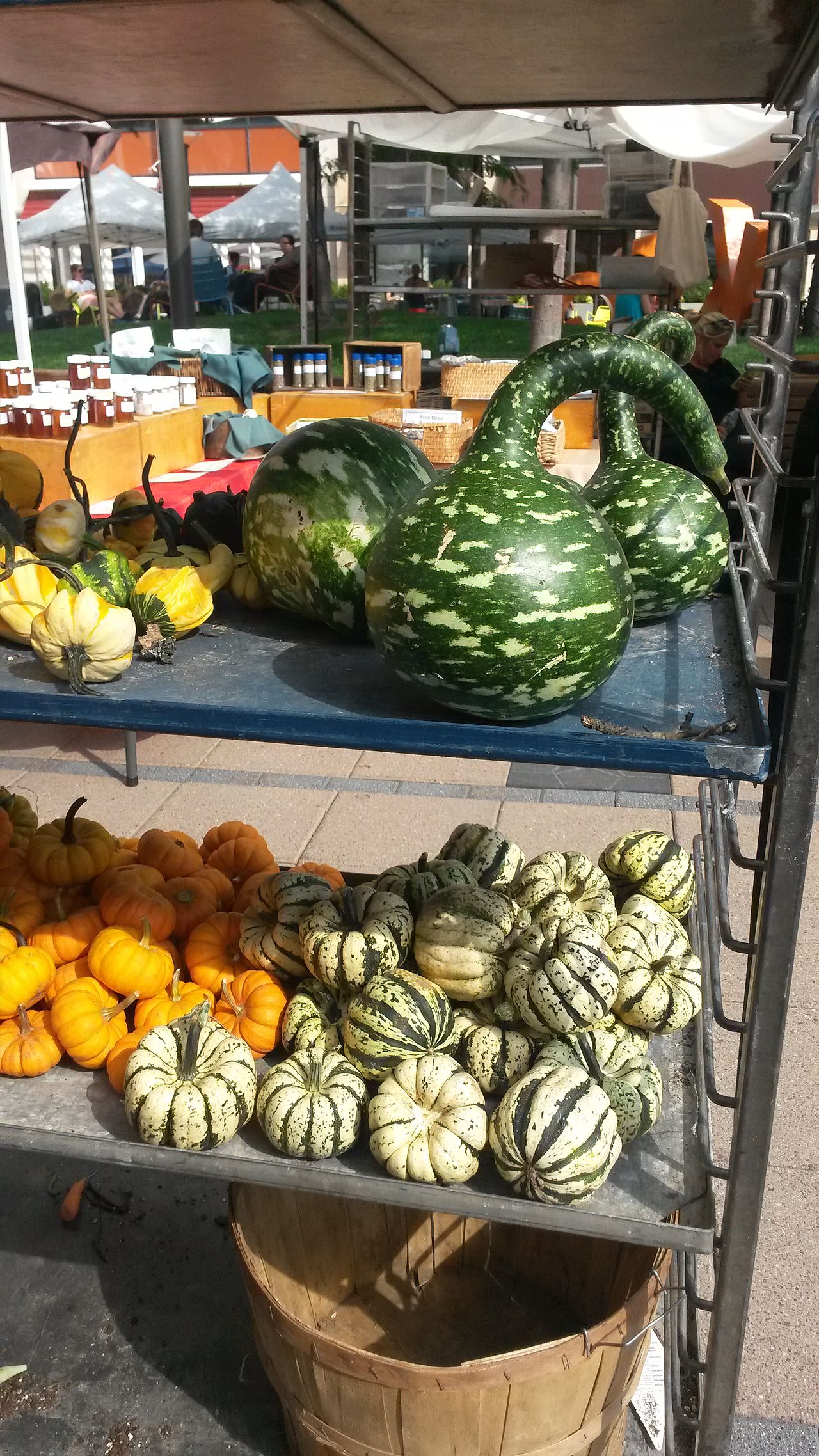
Gourds grow on vines with tendrils and large leaves. Two broad categories are usually recognised: edible, tender gourds such as the bottle gourd (used fresh or cooked), and hard, woody‑shelled gourds that are dried and used as tools or ornaments. Shapes include round, bottle‑shaped, pear‑shaped and elongated forms; colours range from pale green through deep green to orange and brown. Regional variety lists and colour information are available for growers and cooks at orange varieties, brown types and green forms.
History and distribution
Gourds have ancient origins and were domesticated early in human history. Certain species were carried between continents by human migration and trade and are now cultivated worldwide. They are commonly grown across North America and Mexico, where traditional uses persist in both culinary and craft contexts; see regional notes for the United States and Mexico.
Uses
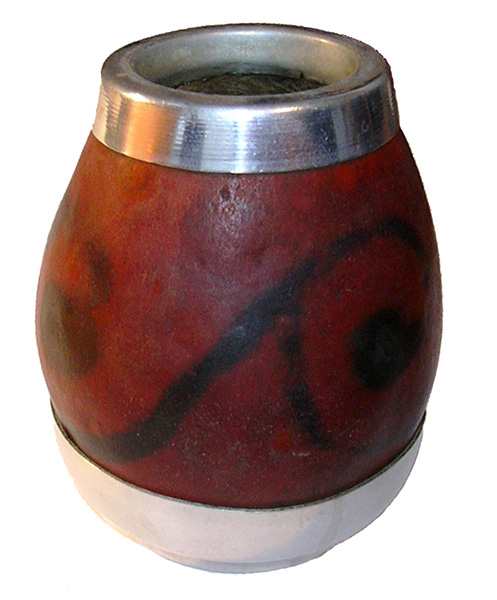
Uses of gourds are diverse. Edible types appear in many cuisines and may be prepared in stews, curries, soups or simply sautéed much like squash. Hard gourds are dried and repurposed as bottles, bowls, ladles, musical instruments, birdhouses and containers. They are also carved, painted or embellished for seasonal decoration and folk art. Practical craft techniques and projects are described alongside general guides to squash and gourd craft at gourd and squash craft resources.
Practical guidance
- Edibility: Not all gourds are intended for eating; ornamental gourds are often bitter or tough and may be unpleasant.
- Safety: A pronounced bitter taste can indicate toxic compounds in some cucurbits; discard unusually bitter fruits.
- Growing tips: Gourds prefer full sun, warm soil and space for vines; allow edible types to mature and hard types to dry on the vine before harvesting for craft use.
For gardeners, cooks and craftworkers, local extension services and horticultural guides provide regionally specific advice, variety recommendations and harvest schedules. Further reading and practical resources can be found via links above to botanical, regional and craft information.
Related articles
Author
AlegsaOnline.com Gourd Leandro Alegsa
URL: https://en.alegsaonline.com/art/39913