
Aleut (Unangax̂): Indigenous people of the Aleutian Islands
Overview of the Aleut (Unangax̂): identity, language, traditional subsistence and clothing, history of contact, and contemporary communities in Alaska and Russia.
Overview
The Aleut, who often call themselves Unangax̂, are an Indigenous people traditionally living in the Aleutian archipelago and nearby islands. They are recognized as a group of Native Americans with ancestral ties to the Aleutian Islands. Communities of Aleut origin are found in western Alaska and on some islands that are now part of Russia. Their culture developed in a maritime environment of storms, rich fisheries, and rugged coasts.
Image gallery
10 Images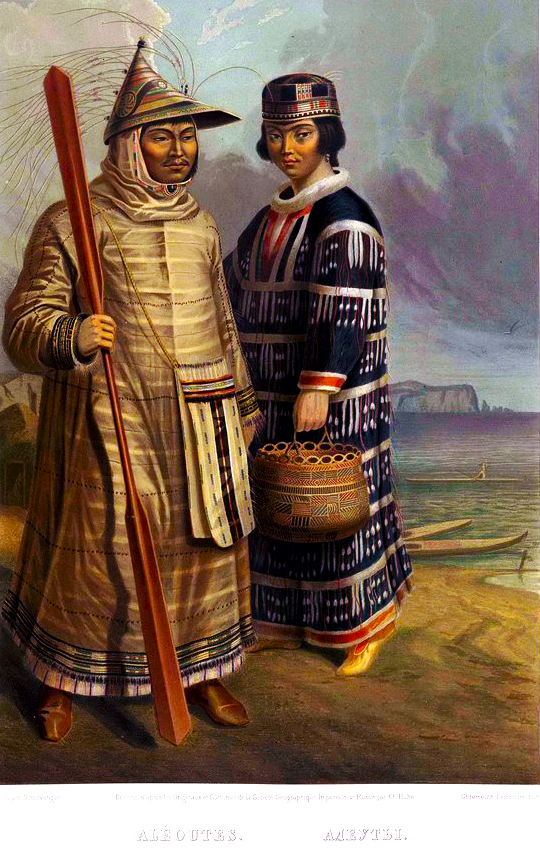



Language and identity
Traditionally the Aleut language belongs to the Eskimo–Aleut family and has several dialects. The people prefer the endonym Unangax̂ or Unangan in their own languages. Identity today reflects a mixture of traditional knowledge and adaptations following centuries of trade and contact with outsiders.
Traditional lifestyle and material culture
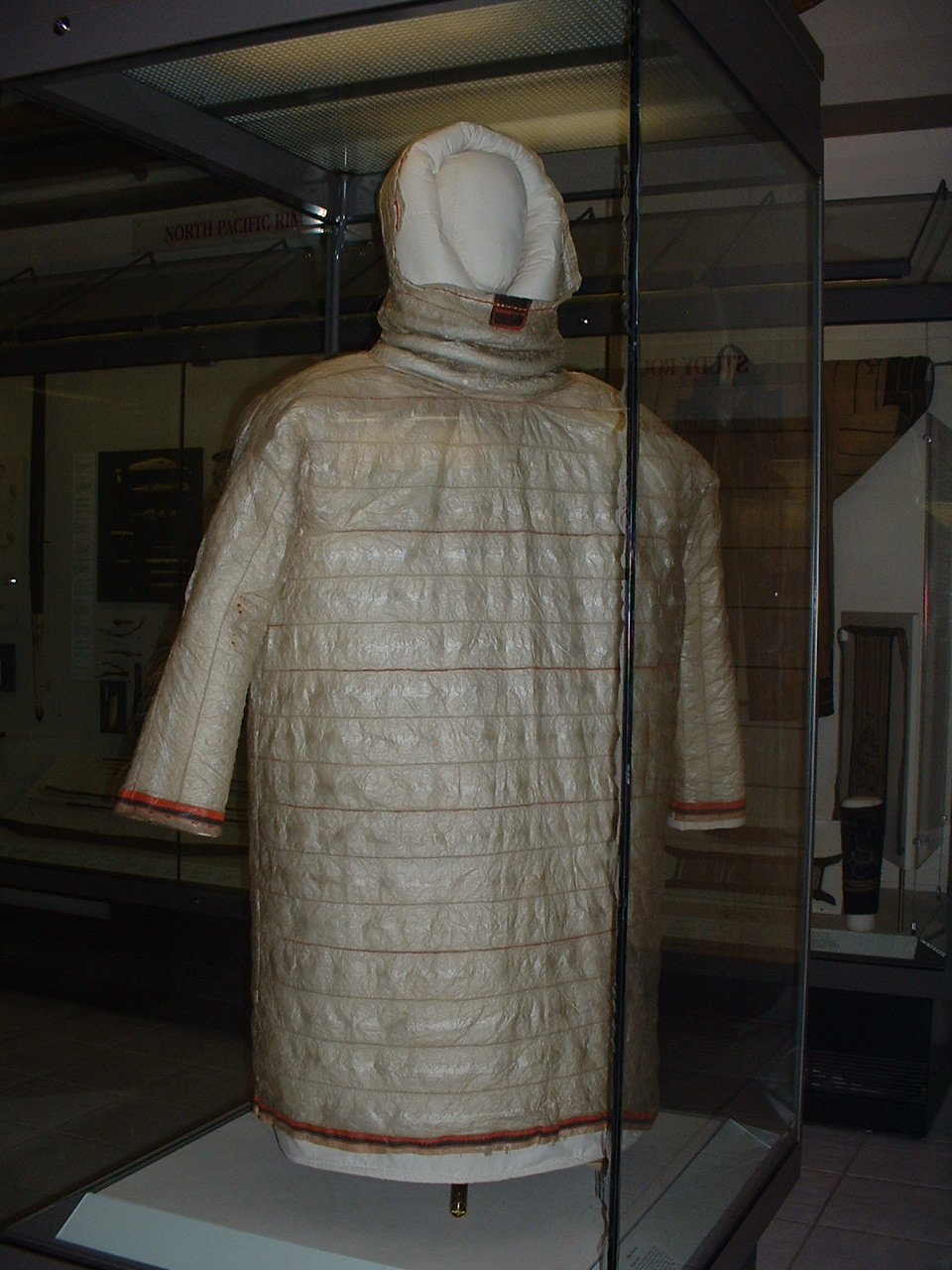
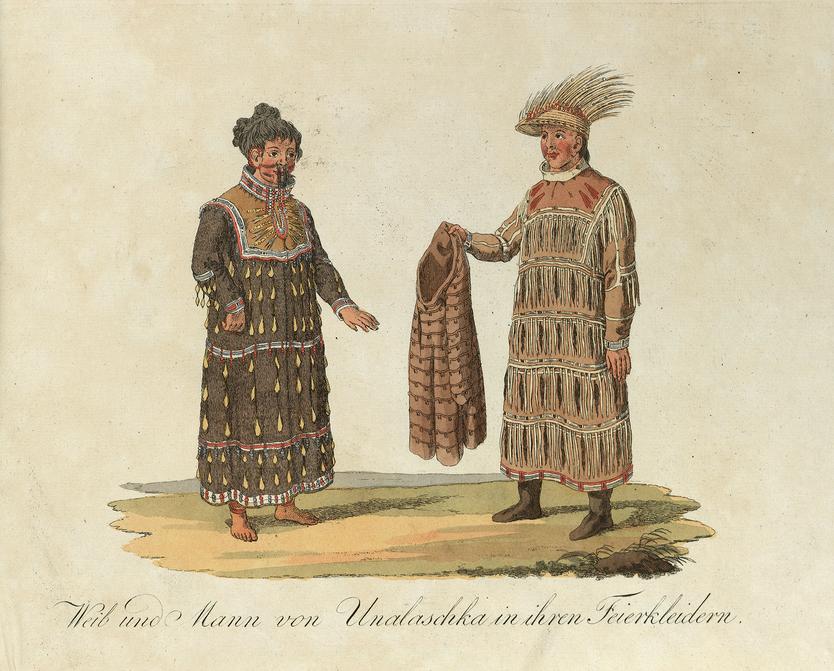
Aleut lifeways were shaped by hunting, fishing, and skilled use of sea resources. Houses were often semi-subterranean in earlier times and later adapted to wood-frame structures. Clothing and tools were carefully crafted for protection against cold, wind, and wet weather.
- Traditional garments were made from the skins and furs of marine animals such as sea lions, seals, and sea otters, and from bird skins and feathers (birds).
- Watercraft like skin-covered kayaks and baidarkas enabled open-water hunting and travel.
- Tools and art included carved harpoon heads, basketry, and woven items adapted to a maritime climate.
History and contact
Aleut history includes long-standing trade networks within the North Pacific and dramatic change after the arrival of Russian explorers and fur traders in the 18th century. Russian contact brought new trade goods, Orthodox Christianity for many communities, and disruptive impacts from the fur trade and colonial policies. Later incorporation into the United States following the Alaska purchase further altered social and economic patterns.
Contemporary life and significance
Today Aleut communities maintain cultural traditions while engaging with regional economies and modern governance. Subsistence fishing and hunting continue to be culturally and economically important, alongside wage work, education, and cultural revival efforts. Cultural institutions, language programs, and local leadership seek to preserve Unangax̂ knowledge and pass it to new generations.
Notable distinctions
The Aleut experience is distinct from neighboring Indigenous groups in language, material culture, and adaptation to the open-ocean island environment. Scholarship and community initiatives emphasize self-identification terms such as Unangax̂ and the importance of local perspectives when describing history, land use, and cultural practices.
Related articles
Author
AlegsaOnline.com Aleut (Unangax̂): Indigenous people of the Aleutian Islands Leandro Alegsa
URL: https://en.alegsaonline.com/art/2310