
American Jews
An overview of Jewish Americans: identity, history, cultural life, institutions, and notable distinctions within the United States.
Overview
American Jews, often called Jewish Americans, are people in the United States who identify as Jewish by religion, ethnicity, culture, or ancestry. Jewish identity in the American context can include religious practice, secular cultural affiliation, and shared historical memory. Many who identify as Jewish combine elements of faith, peoplehood, and heritage in varied ways.
Image gallery
10 Images



Characteristics and communities
The American Jewish population is diverse in background and belief. Religiously, communities include Orthodox, Conservative, Reform, Reconstructionist, and unaffiliated Jews, and many individuals describe themselves as culturally or ethnically Jewish without regular religious observance. Languages historically spoken in these communities have included English, Hebrew, Yiddish, Ladino, and other immigrant tongues.
History and migration
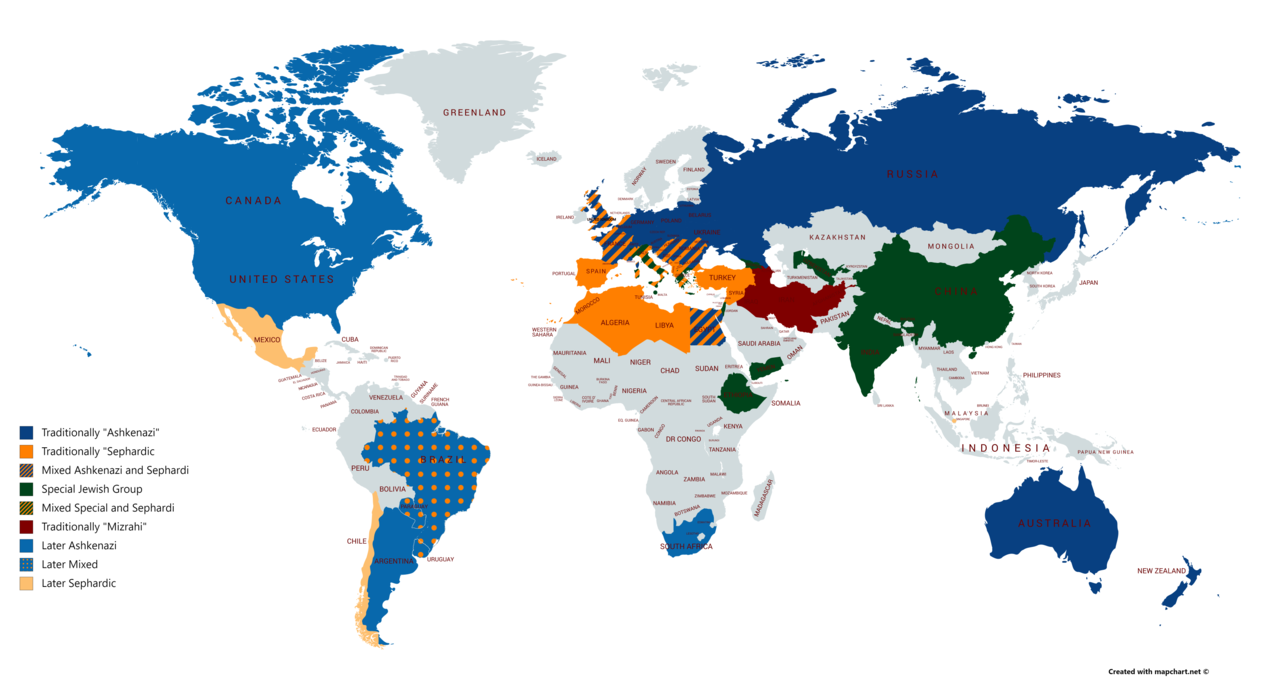
Jews have lived in North America since the colonial era, with small populations in the 17th and 18th centuries. Larger waves of immigration arrived in the 19th and early 20th centuries from Central and Eastern Europe, followed by survivors of the Holocaust and Jews leaving the Middle East and North Africa in mid-20th century decades. These migrations shaped the geography of Jewish life in cities, suburbs, and smaller towns.
Culture, institutions, and contributions
American Jews have established synagogues, day schools, universities, cultural centers, and philanthropic organizations. Jewish Americans have been active in fields such as education, law, medicine, the arts, sciences, business, and public service. Communal bodies coordinate religious and social services; many individuals also participate in secular civic and political life.
Identity, diversity, and contemporary issues
Debates about identity include questions of conversion, intermarriage, secularization, and the relationship between Jewishness as a religion and as an ethnic or cultural identity. American Jewish life is marked by internal diversity—religious practice, political views, and cultural affiliation vary widely across communities. Contemporary concerns often focus on antisemitism, communal security, continuity of institutions, and evolving definitions of belonging.
Notable distinctions
- Religious pluralism: multiple denominations and many unaffiliated Jews.
- Cultural influence: substantial contributions to American arts, scholarship, and public life.
- Global connections: ties to Jewish communities worldwide and to Israel.
For more detailed exploration of beliefs, practices, and institutions, consult specialized histories and community resources that trace the complex social, religious, and cultural dimensions of Jewish life in the United States.
Tags
Related articles
Author
AlegsaOnline.com American Jews Leandro Alegsa
URL: https://en.alegsaonline.com/art/3431
Sources
- haaretz.com : "60,000 American Jews Live in the West Bank, New Study Reveals"
- economist.com : "Israel versus the Jews"
- factfinder.census.gov : factfinder.census.gov/metadoc/ancestry.pdf
- sde.idaho.gov : sde.idaho.gov