
Altai people: history, language, culture, and contemporary life
Overview of the Altai people, a Turkic ethnic group of Siberia — their languages, traditional culture, historical roots, regional divisions, and modern challenges in the Altai Republic and Krai.
Overview
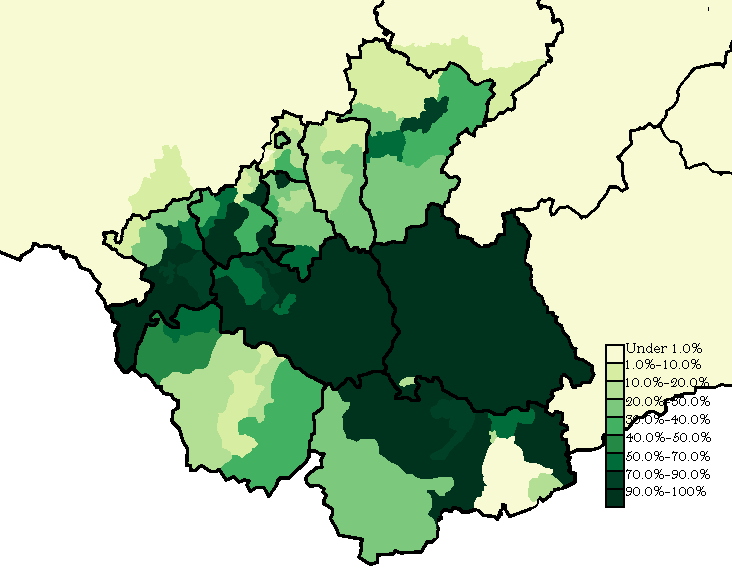
The Altai people are an indigenous Turkic-speaking population of south-central Siberia who live primarily in the Altai Republic and Altai Krai within the Russian Federation. Traditionally divided into Northern (often called Telengit-Kumandin groups) and Southern Altai (Altai-Kizhi and others), they share related languages, cultural practices and a strong regional identity centered on the Altai Mountains.
Image gallery
9 Images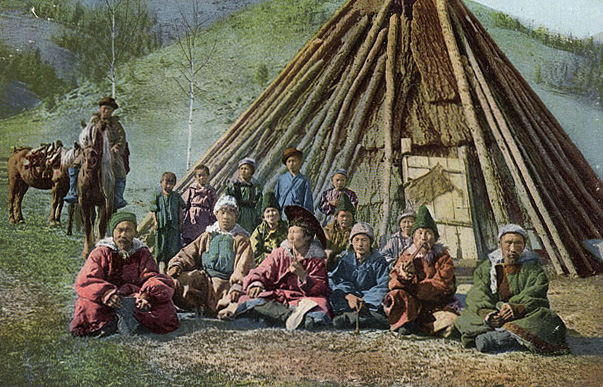



Language and cultural traits
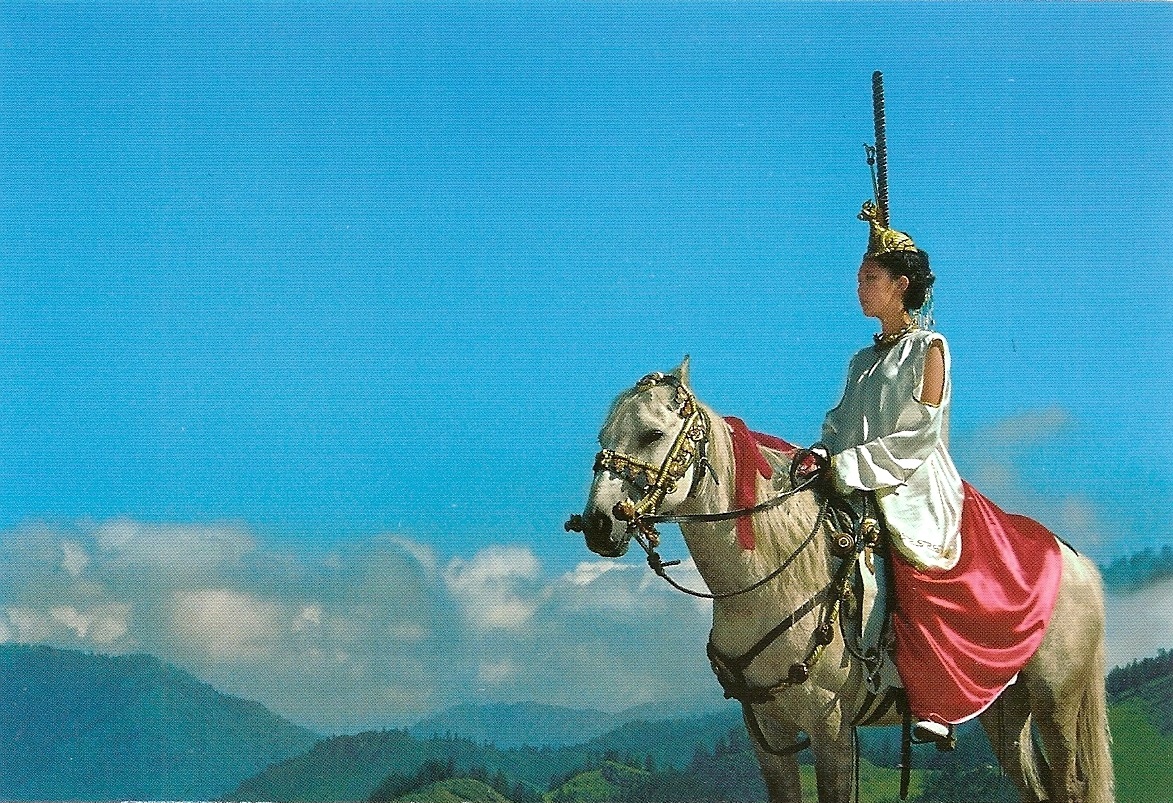
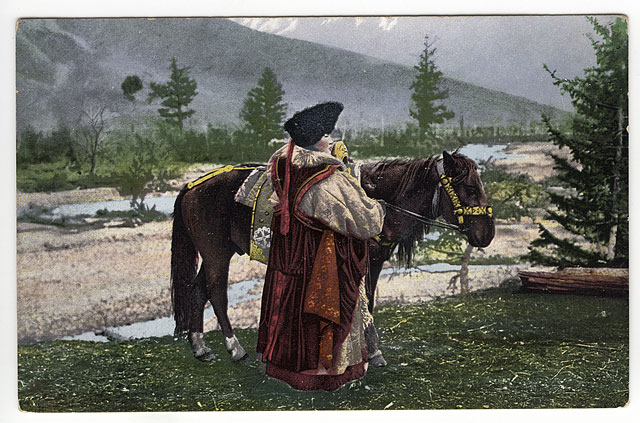
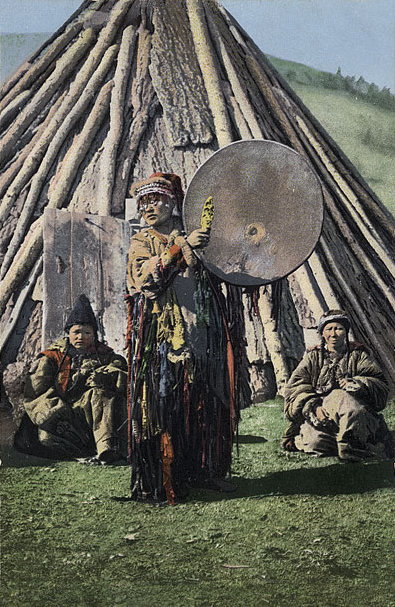
Their native languages belong to the Turkic family and include distinct Northern and Southern Altai varieties. Oral tradition, epic poetry, throat singing and a rich repertoire of folk instruments and craftwork are central to Altai cultural life. Religious practices have historically combined shamanic beliefs, animism and, since contact with Russians, elements of Russian Orthodoxy and Buddhism in some areas. Folk medicine, ritual offerings and seasonal festivals remain important.
History and origins
The Altai region is archaeologically significant and has long been a crossroads of Eurasian steppe cultures. Archaeological finds in the broader Altai Mountains attest to ancient nomadic and pastoral societies; linguistic and cultural links tie the Altai peoples to the wider Turkic world. Over centuries they experienced waves of migration, trade contacts and incorporation into larger political entities, including the Russian Empire and the Soviet state.
Economy and traditional ways of life
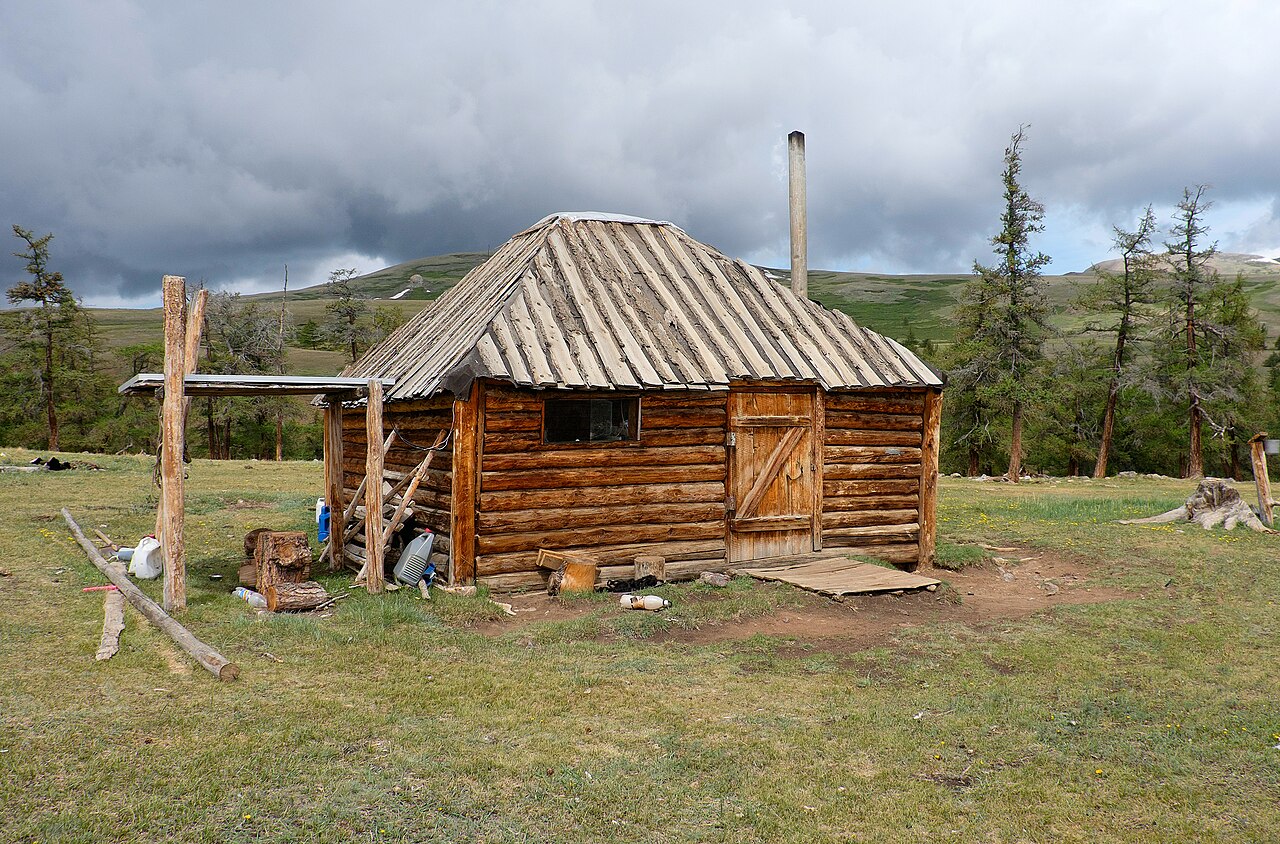
Historically the Altai economy centered on pastoralism — horse and sheep herding — seasonal hunting, fishing and limited agriculture in valley bottoms. Craftsmanship in leather, felt, metalwork and wood is traditional. In the modern era many Altai live in towns and work in varied occupations while maintaining seasonal herding, artisanal production and cultural tourism as important sources of income.
Regional divisions and contemporary issues
The two broad subdivisions, Northern and Southern Altai, reflect linguistic, clan and geographical differences. Contemporary challenges include language shift toward Russian, economic changes, land use pressures and efforts to preserve traditional knowledge. Cultural revival movements, local museums, festivals and academic research aim to support language teaching and cultural heritage initiatives in the Altai Republic and Krai. For summaries and further reading, see general resources on Turkic peoples and Siberian indigenous groups (Turkic peoples, Siberian ethnic groups) and regional information provided by local administrations (Altai Republic, Altai Krai).
Notable facts
- The Altai Mountains are both a physical and cultural heartland for these peoples.
- Their oral epics and shamanic traditions have attracted international anthropological interest.
- Language preservation and cultural tourism are prominent contemporary concerns.
Related articles
Author
AlegsaOnline.com Altai people: history, language, culture, and contemporary life Leandro Alegsa
URL: https://en.alegsaonline.com/art/3023
Sources
- perepis-2010.ru : Russian Census 2010: Population by ethnicity · web.archive.org