
Sea lion — eared marine mammals of the Otariidae family
Sea lions are gregarious marine mammals in the Otariidae (eared seals). They are adapted for swimming and land movement, feed on fish and squid, and form crowded breeding colonies along temperate and coastal waters.
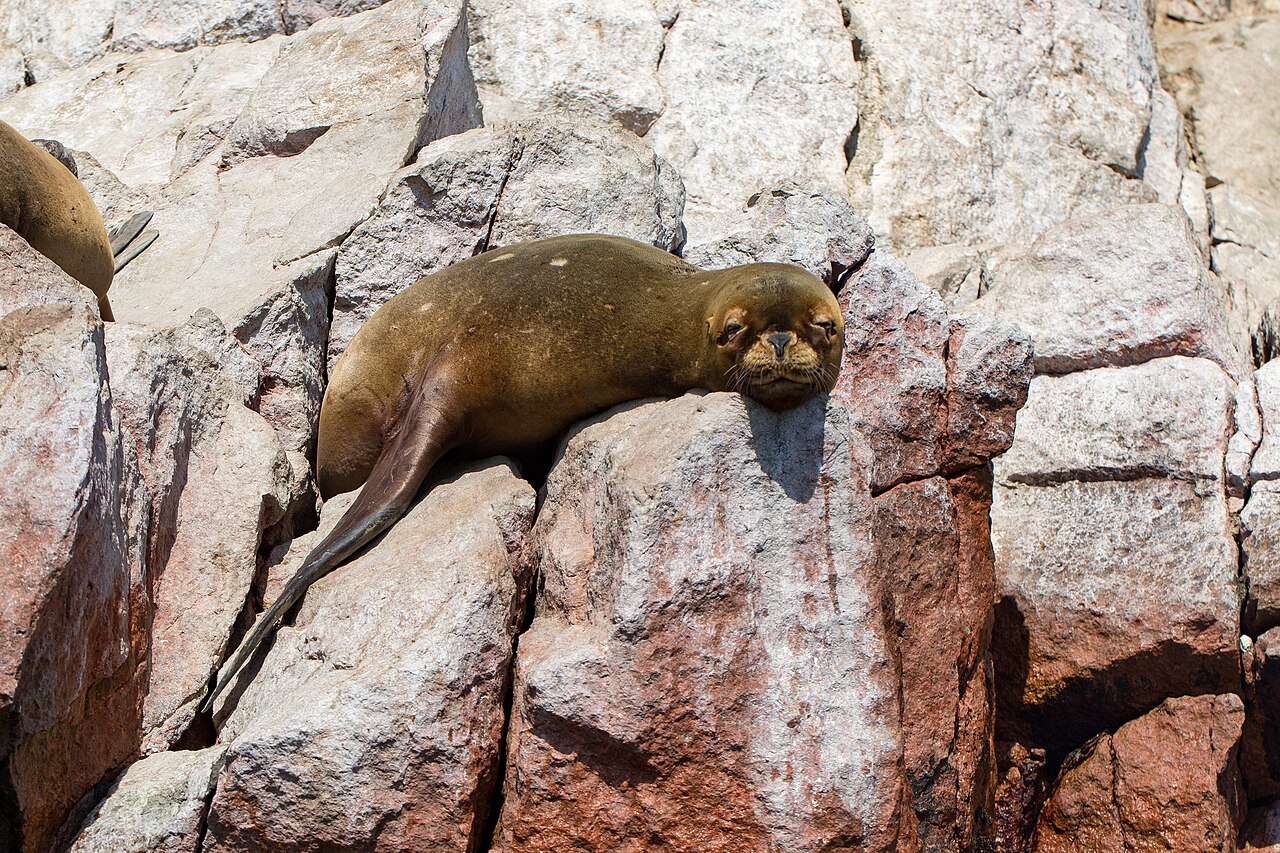
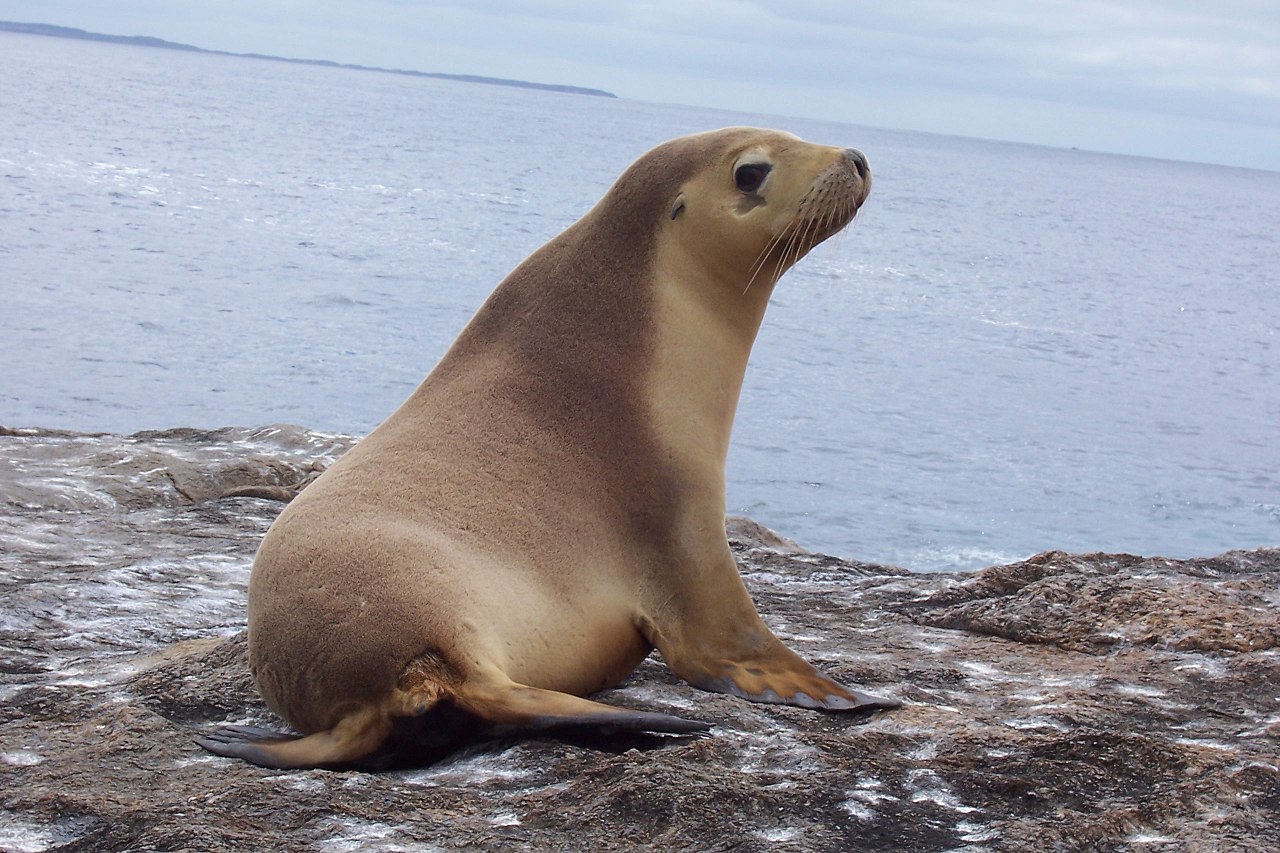
Sea lions are marine mammals belonging to the family Otariidae, commonly called the eared seals. They share the pinniped body plan with true seals and walruses but are distinguished by visible external ear flaps, long foreflippers and the ability to rotate their hind flippers forward to move effectively on land. Sea lions vary in size and appearance by species; adult males are often larger and more robust than females, and in some species males develop a thick mane of fur around the neck that suggested the common name "sea lion" to early observers.
Image gallery
10 Images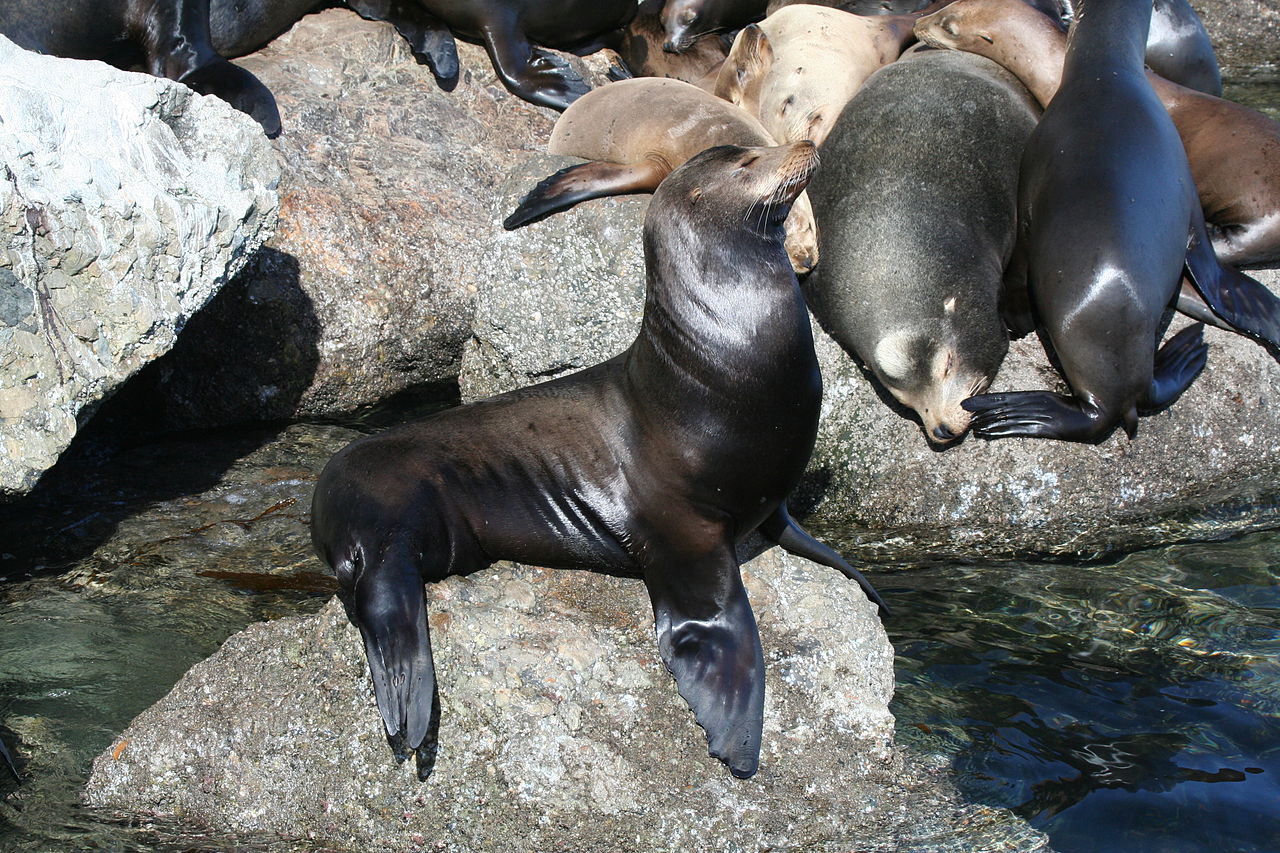






Physical characteristics
Key features include a streamlined body, sensitive whiskers (vibrissae) for detecting prey, and powerful fore- and hind-flippers used for propulsion. Fur is dense but not thick enough for full insulation like some aquatic mammals; instead, sea lions rely on blubber and behavior to regulate temperature. Vocal behavior ranges from barks and grunts to the deep, rumbling calls produced by species such as the Steller sea lion; these sounds are used in social interactions, territory defence and mating displays.
Distribution and habitat
Sea lions are most abundant around temperate and subarctic coasts, especially across the Pacific Ocean and around islands and continental shelves in the southern hemisphere. Some species also occur along parts of the Atlantic and Indian Ocean coasts. They haul out on beaches, rocky shores and man-made structures in coastal waters to rest, breed and molt, often forming large, noisy colonies known as rookeries.
Diet and behaviour
Sea lions are primarily carnivorous. Their diet commonly includes fish, squid and, occasionally, seabirds. They are agile, pursuit predators that hunt by sight and touch, often diving to moderate depths to capture schooling prey. Social structure varies by species and season; many sea lions gather in large groups outside the breeding season and become territorial and polygynous when breeding. Adult males defend territories or harems, while females often return to established sites to give birth and nurse pups with rich, high-fat milk.
Life cycle and reproduction
Reproductive timing is seasonal for most species. Females typically give birth to a single pup after a gestation period that includes delayed implantation, and they invest heavily in each pup through lactation and protection during the early weeks. Pups grow rapidly and learn to swim and feed under maternal guidance before being weaned and becoming independent.
Human interactions and conservation
Sea lions interact with humans in many ways: they are a common sight in coastal tourism and research, sometimes become entangled in fishing gear, and can compete with fisheries for target species. Human disturbance, pollution, entanglement and changes in prey availability are ongoing concerns. Conservation status varies by species — while some populations are healthy and locally abundant, others face significant threats and are the focus of recovery efforts.
Notable species and distinctions
- California sea lion — a familiar species along North American Pacific coasts.
- Steller (northern) sea lion — notable for its large size and deep calls.
- Galápagos sea lion — adapted to tropical island life and seasonal resource shifts.
- South American and Australian/New Zealand species — found in southern hemisphere waters.
Sea lions are often compared to true seals and walruses within the pinniped group; they are distinct for their external ears and greater mobility on land. For general background about pinnipeds and ear-shaped seals see resources on pinnipeds and the broader marine mammal literature. For more on distribution maps and regional populations consult regional guides and specialist pages on the Atlantic Ocean and other oceanic sectors. Readers seeking information on diet, breeding and management can follow links to species pages and conservation organizations: natural history notes, fishery interactions and prey studies, and species recovery profiles at dedicated sites and reports. For basic care and nursing biology see materials about lactation in marine mammals here and summaries of seabird interactions here.
Questions and answers
Q: What are sea lions?
A: Sea lions are a group of pinnipeds, which are mammals in the family Otariidae, or eared seals.
Q: Where do sea lions live?
A: Sea lions can be found all around the world, except in the Atlantic Ocean.
Q: Why are male sea lions sometimes called "sea lions"?
A: Male sea lions have thick fur around their face and neck, which can resemble a lion's mane. This is how they got their name.
Q: Can sea lions roar?
A: Yes, some sea lions, like the Steller sea lion, can actually roar.
Q: Are sea lions mammals?
A: Yes, sea lions are mammals.
Q: What similarities do sea lions have with lions?
A: Like lions, sea lions have fur, breathe air, give birth to live young, and feed milk to their young. They are also fierce fighters.
Q: What kind of meat do sea lions eat?
A: Sea lions eat the meat of fishes, squids, and sea birds instead of land animals.
Related articles
Author
AlegsaOnline.com Sea lion — eared marine mammals of the Otariidae family Leandro Alegsa
URL: https://en.alegsaonline.com/art/88267
Sources
- ncbi.nlm.nih.gov : PMID 11697921