
Photomontage: techniques, history, and contemporary uses
Photomontage is an image created by combining two or more photographs to form a new composition. This article explains techniques, history, applications, and distinctions between analog and digital methods.
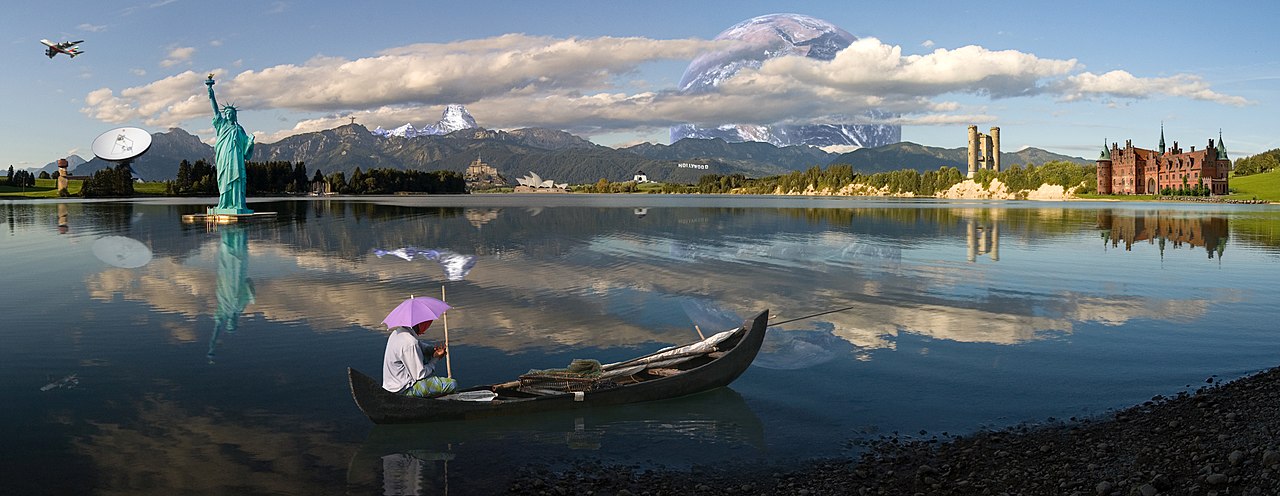
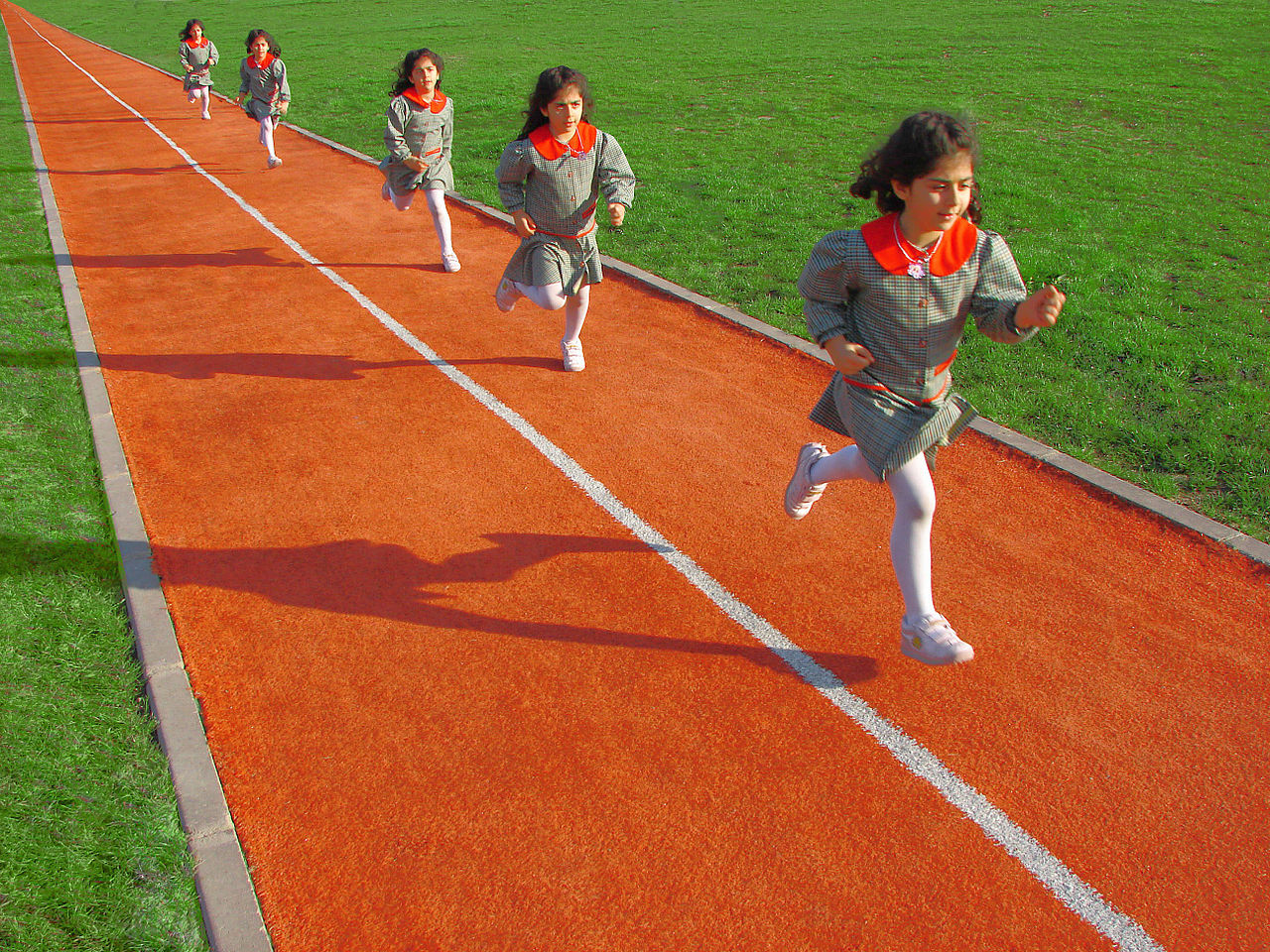
Photomontage is the process of combining separate photographic images into a single composition so that they form a new visual statement. Historically made by physically cutting and pasting photographic prints, the term now embraces digital compositing and editing. The goal can be literal — to assemble a scene that never existed — or expressive, to produce an illusion or conceptual commentary.
Image gallery
10 Images




Techniques and characteristics
Photomontages are distinguished by layered imagery and deliberate juxtaposition. Traditional analog methods used scissors, glue, and darkroom masking; modern workflows rely on digital layering, masking and blending. Common characteristics include scale shifts, perspective manipulation, deliberate seams or seamless retouching, and contrast or color adjustments.
- Analog methods: cutting, overlapping, rephotographing, double exposures.
- Digital methods: layer masks, compositing, cloning, color grading.
- Artistic choices: surreal combinations, political satire, documentary montage.
History and development
Early experiments with composite photography date to the 19th century. Photomontage came into its own in the early 20th century, embraced by avant-garde movements such as Dada and Constructivism. Artists and editors used montage to critique politics, to explore modern life, and to invent new visual languages. Photomontage also moved into advertising and magazine illustration during the same era.
Digital era and contemporary practice
With image-editing software, photomontage expanded rapidly. Digital tools make it easier to match lighting, perspective and color between disparate images and to produce highly convincing composites for film, advertising, editorial illustration and online content. Tutorials and toolsets for compositing are widely available and can be found through software documentation and learning sites; see resources on digital compositing for practical techniques.
Uses, examples, and considerations
Photomontage appears across fine art, political posters, editorial illustration, fashion, and social media. It can challenge perception, tell complex visual stories, or manipulate viewers — which raises ethical and legal issues around attribution, copyright and misinformation. Distinctions matter: a photomontage intentionally combines photographic elements, while a collage may include non-photographic materials, and a composite that aims for invisibility pursues photorealism rather than visible montage effects.
As both a technique and an aesthetic, photomontage remains a flexible tool for artists, designers and communicators, balancing creativity, technical skill and cultural context.
Related articles
Author
AlegsaOnline.com Photomontage: techniques, history, and contemporary uses Leandro Alegsa
URL: https://en.alegsaonline.com/art/76605