
Compressed air: definition, components, uses and safety
Compressed air is atmospheric air stored at higher pressure for power, control and process uses. This article covers how it’s made, main parts, applications, safety, treatment and efficiency considerations.
Overview
Compressed air is ordinary atmospheric air that has been mechanically pressurized and stored at a pressure higher than the surrounding atmosphere. It is typically generated by an air compressor and used as an energy carrier and working fluid in a wide range of industrial, commercial and domestic applications. For a concise technical introduction see basic definition.
Image gallery
5 Images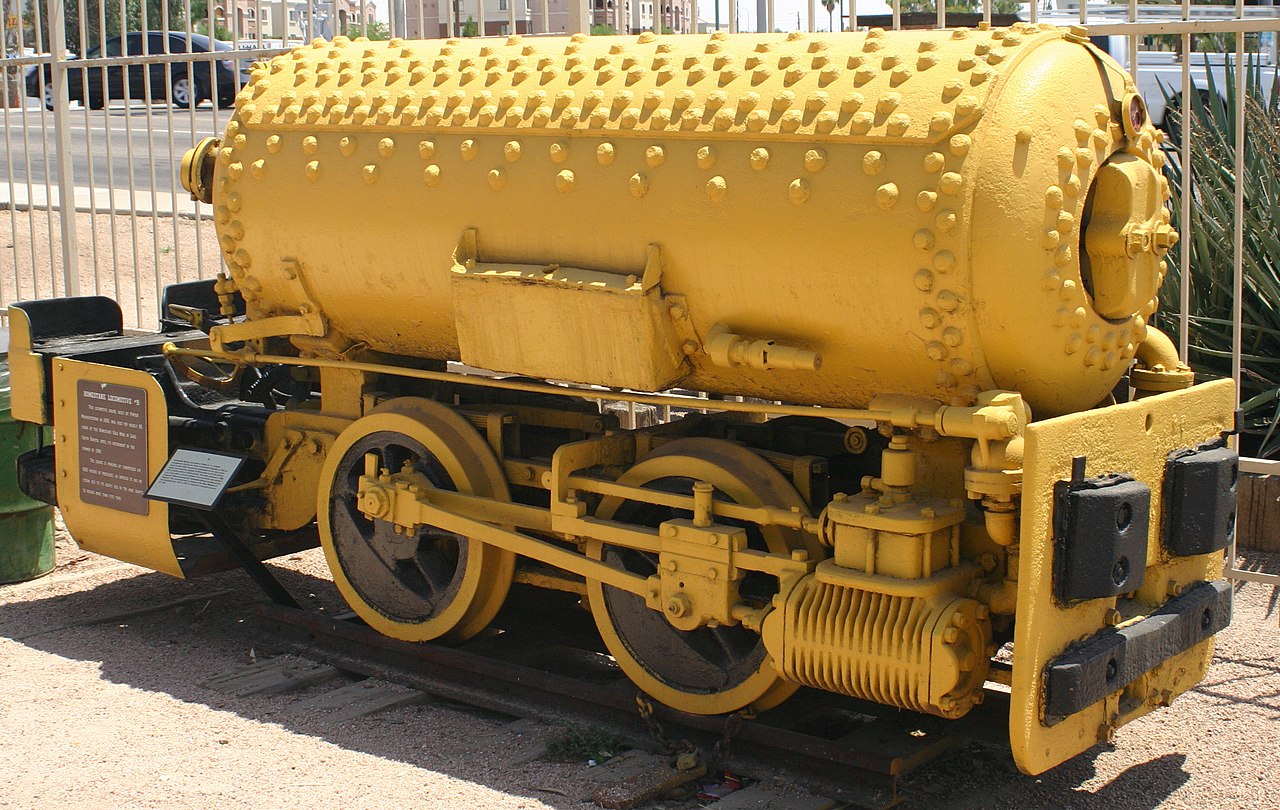


Characteristics and main components
Key characteristics include pressure, volume and quality. Pressure determines the available working force and is controlled at point of use by regulators and valves; common workshop systems often run in the range of about 80–120 psi. A compressed-air system usually includes the compressor itself, a receiver tank for short-term storage, pressure regulators, piping, filters and condensate drains. Effective systems also add dryers and separators to manage moisture and contaminants.
Types of compressors
- Reciprocating (piston) compressors — good for intermittent high pressures and smaller installations.
- Rotary screw and rotary vane compressors — suited to continuous industrial use and steady flow requirements.
- Centrifugal compressors — used for very large volumes in manufacturing and process plants.
Treatment, quality and standards
Compressed air quality matters: untreated air contains water vapor, oil and particulates that can damage equipment or contaminate processes. Typical treatment includes filtration, coalescing filters, refrigerated or desiccant dryers, and separators. Specific uses such as breathing air or food processing require additional purification and compliance with safety standards and testing.
Uses and examples
- Pneumatic tools and machines (impact wrenches, grinders, drills), where torque and speed are driven by air motors.
- Control systems and instrumentation using pneumatic actuators and valves.
- Surface preparation and painting, HVAC controls, packaging and conveying systems.
- Specialized applications such as medical-grade breathing air or process utilities in industry.
Safety, efficiency and notable facts
Compressed air is versatile but not free: compressing air converts electrical or mechanical input into stored energy and heat, and the process can be energy-intensive. Energy-saving measures include leak detection and repair, proper sizing, staged compression, and using variable-speed drives. Heat recovered from compressors can be reused for space heating or process heat. Safety issues include risks from stored pressure (vessel integrity, piping bursts), contaminated breathing air, and the hazards of compressed-air blowguns; operators must follow standards and maintenance schedules. For further technical context see pressure considerations and atmospheric references at related resources.
Related articles
Author
AlegsaOnline.com Compressed air: definition, components, uses and safety Leandro Alegsa
URL: https://en.alegsaonline.com/art/22276