
Computer animation (CGI): techniques, history and applications
Computer animation uses computer graphics to create moving images in 2D or 3D. This article explains core techniques, historical development, common uses, and key distinctions between real-time and offline approaches.
Overview
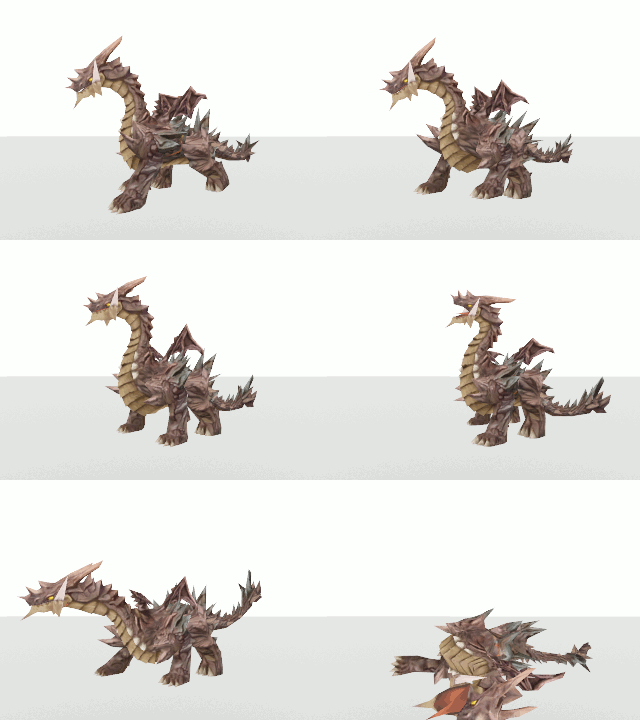
Computer animation, often called CGI animation, is the practice of producing motion pictures or motion graphics by using digital processes. It relies on computer graphics to generate sequences of images and may be implemented in 2D or 3D formats. The goal can range from stylized cartoons to photorealistic simulations, and productions vary from short visual effects shots to full-length feature films and interactive experiences.
Image gallery
3 Images

Techniques and pipeline
Creating a finished animated shot typically follows a multi-stage pipeline. These stages separate artistic intent from technical execution and allow teams to work in parallel.
- Modeling: building 3D shapes or drawing 2D assets.
- Rigging: creating a control structure for characters or objects.
- Animation: defining motion through keyframes, motion capture, or procedural rules.
- Shading and texturing: adding surface detail and color.
- Lighting and rendering: computing final pixels using offline or real-time renderers.
- Compositing and post-production: layering rendered elements, color grading and adding effects.
Methods of producing motion
Animators use several approaches to create movement. Keyframe animation requires an artist to set important poses and let the system interpolate between them. Motion capture records live performers and maps the motion to digital characters, while procedural animation generates motion from rules or simulations (for example, cloth, fluids, or rigid-body physics). Choice of method depends on the desired style, production schedule and technical constraints.
History and development
Computer animation began as research and experimental work in the mid-20th century and matured alongside advances in hardware and software. The technique moved from short experimental sequences and visual effects into mainstream entertainment through breakthroughs in the late 20th century. The rise of accessible tools and faster processors has since democratized many aspects of the field, making high-quality animation possible for independent creators as well as large studios.
Applications and significance
Beyond feature films and television, computer animation is central to video games, virtual and augmented reality, scientific visualization, architectural walkthroughs, advertising and medical simulation. Real-time rendering engines power interactive experiences, whereas offline renderers prioritize visual fidelity for non-interactive media. Both paths share many core concepts but differ in performance and production trade-offs.
Distinctions and notable facts
Key distinctions in the discipline include 2D versus 3D workflows, stylized versus photoreal aesthetics, and real-time versus offline rendering strategies. Industry pipelines often combine these modes: a scene may use 3D models rendered into a 2D composition or mix motion-captured performance with hand-tuned keyframes. For further technical or historical reading, see introductory resources on animation and foundational material about computer graphics or the differences between 2D and 3D approaches.
Related articles
Author
AlegsaOnline.com Computer animation (CGI): techniques, history and applications Leandro Alegsa
URL: https://en.alegsaonline.com/art/22305
Sources
- entertainment.howstuffworks.com : "How Computer Animation Works"