
Modern art (1860s–1970s): movements, principles, and legacy
Modern art describes visual art produced roughly between the 1860s and 1970s, defined by formal experimentation, new media and styles from Impressionism through Abstract Expressionism and Minimalism.
Overview
Modern art refers to artistic production roughly from the 1860s until about the 1970s. It names a broad set of styles and practices that share a willingness to break with academic traditions, to reexamine what art is for, and to explore new techniques and materials. The term covers painting, sculpture, printmaking, photography and early film, and it is often discussed in relation to changes in society, industry and technology that encouraged artists to seek new modes of expression. For an introduction to how scholars frame the concept, see a short discussion of the term's definition.
Image gallery
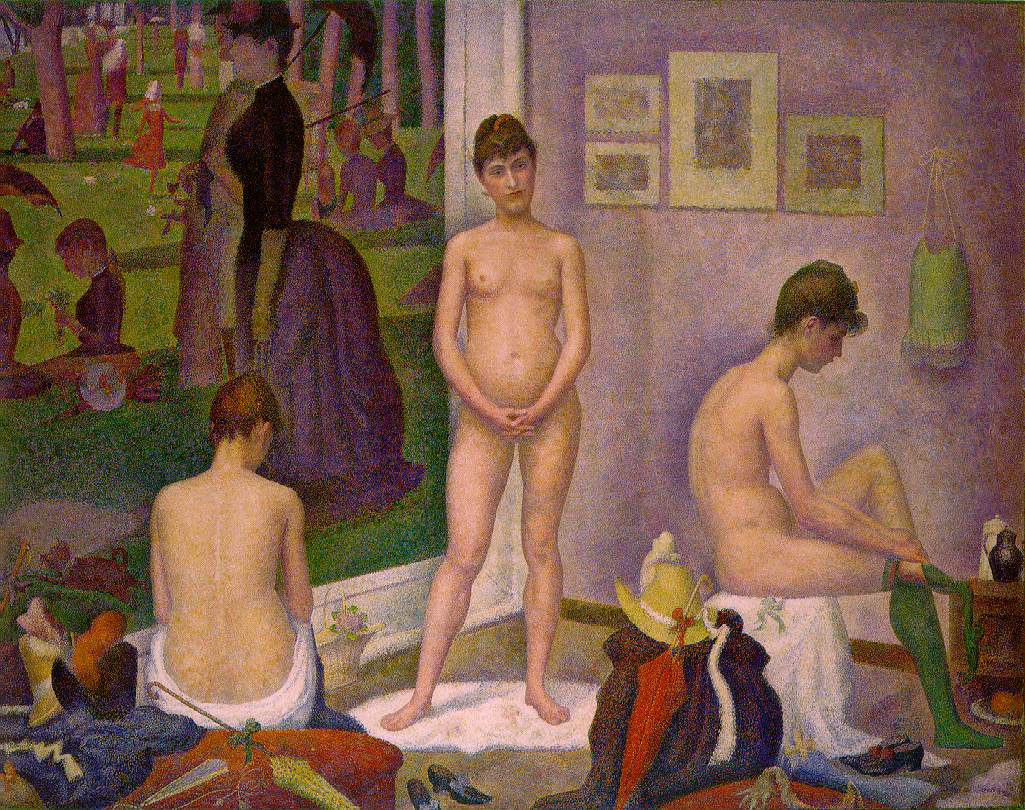
10 Images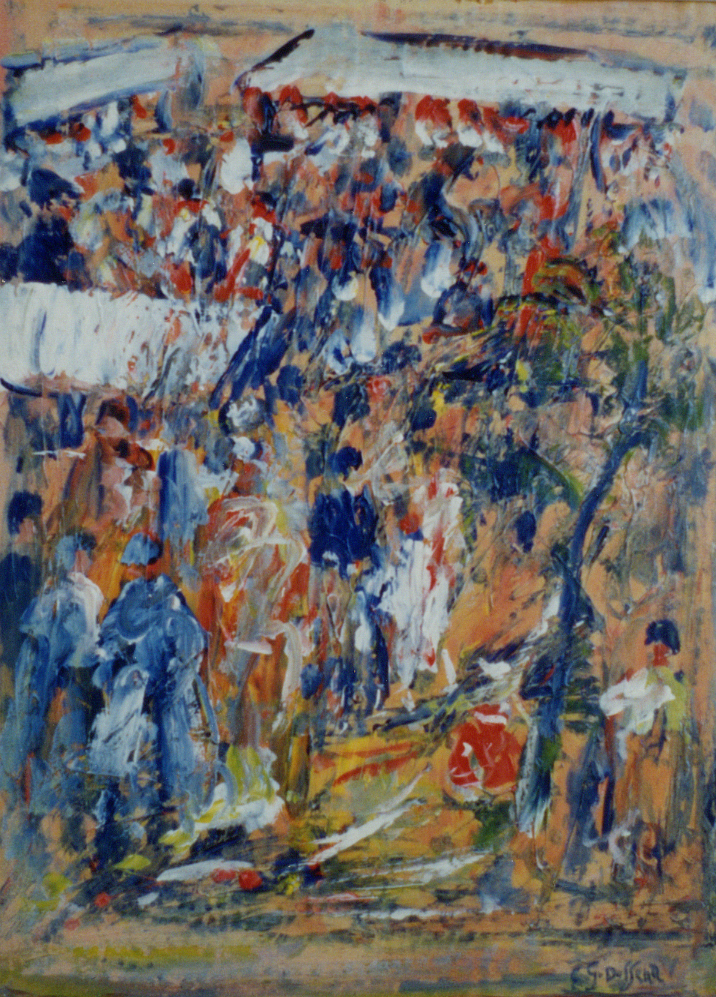


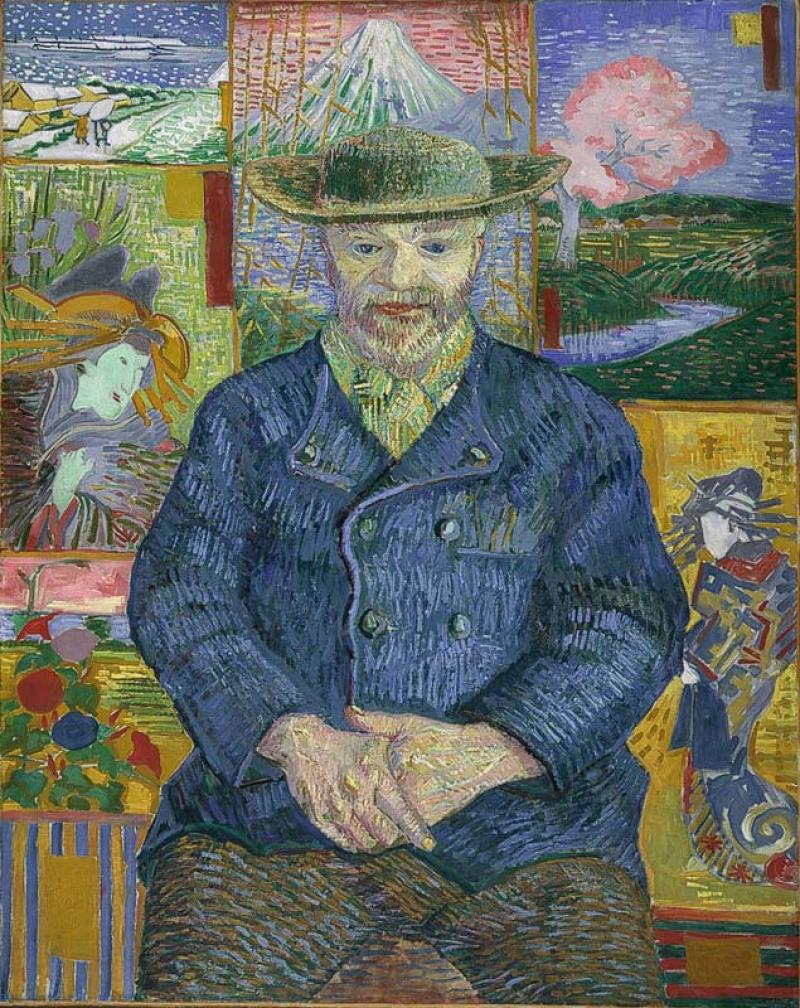


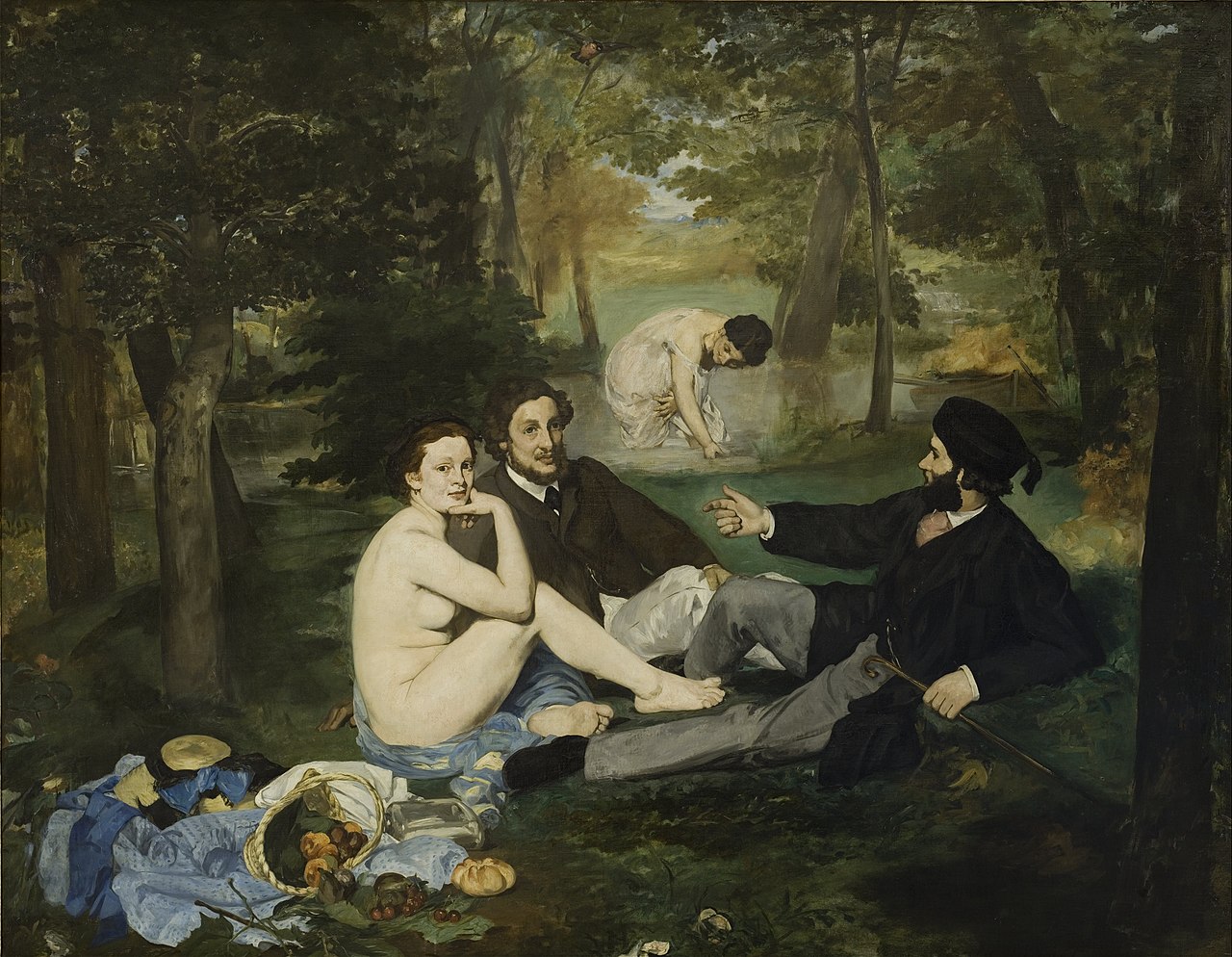
Key characteristics
Several recurring tendencies appear across works labeled modern: an emphasis on experimentation; a move toward abstraction; interest in surface, color and form as ends in themselves; and exploration of new media and mechanical reproduction. Artists also rethought narrative and representation, sometimes privileging perception, gesture or process over faithful depiction. The philosophical and theoretical underpinnings of these shifts are discussed under the topic of art philosophy.
- Formal innovation: new approaches to color, perspective and spatial organization.
- Material and technical exploration: use of nontraditional media, collage and found objects.
- Abstraction and reduction: from partial simplification to full nonrepresentational work.
- Engagement with new technologies such as mechanical recording, including photography and film.
Notable movements and examples
Modern art is best understood as a sequence of overlapping movements rather than a single style. Early shifts include Impressionism and Post-Impressionism, which loosened brushwork and stressed light and color. Fauvism and Expressionism intensified color and emotional content. Cubism fragmented form and perspective; Futurism engaged speed and modern life. Dada and Surrealism questioned meaning and embraced chance and the unconscious. Mid-century developments such as Abstract Expressionism and later Minimalism further reduced representation to gesture or elementary forms. For concise overviews of these tendencies see a general style guide and the entry on Minimalism.
History and context
The rise of modern art coincided with rapid social and technological change: industrialization, urbanization and new image-making technologies altered how people experienced the world. Exhibitions and independent commercial galleries created alternative platforms outside academies. Modern artists organized around salons, avant‑garde journals and manifestos, debating art's aims and the role of the artist. These debates helped shape a century of art in which experimentation became an avowed aim.
Uses, influence and legacy
Modern art profoundly influenced how later generations think about art’s purpose and methods. It expanded what counts as legitimate artistic practice and laid the groundwork for what is often called contemporary art and for critical and theoretical approaches that question representation and authorship. Museums, schools and markets that grew during the modern period shaped global circulation of images and ideas and continue to affect curatorship, conservation and public interpretation.
Distinctions and notable facts
Two common distinctions are worth noting: 'modern' versus 'contemporary' and 'modern' versus 'postmodern.' Modern art generally references the historical period described above; contemporary art refers to work produced by living artists or after the modern period. Postmodernism, by contrast, is a set of attitudes and practices that emerged as a critique of modernist ideals, often embracing irony, pluralism and pastiche. For further reading on these conceptual differences consult a short primer on technological context or a curated overview of artistic media and criticism.
Modern art remains central to art education and public collections worldwide. Whether admired for radical formal breakthroughs, social critique, or the redefinition of materials and processes, its varied movements continue to be studied, exhibited and debated. For additional resources and timelines, see introductory materials on photographic influence and institutional histories at selected sites of scholarship and discourse.
Further reading and specialized entries can be found in academic surveys and museum publications that trace individual movements, artists and national variations within the broader modern period. For accessible overviews, consult subject guides and curated online essays at reputable educational institutions and museums exploring style and specific movements.
Questions and answers
Q: What is the time period associated with modern art?
A: Modern art refers to artistic works produced from the 1860s to about the 1970s.
Q: What inventions coincided with this period of modern art?
A: The period coincides with the invention of mechanical means of recording images, such as photography and film.
Q: How did modern artists approach their work?
A: Modern artists experimented with new ways of seeing and with fresh ideas about the materials and functions of art.
Q: Is abstraction a characteristic of modern art?
A: Yes, a tendency toward abstraction is characteristic of much modern art, including minimalism.
Q: What is more recent artistic production usually called?
A: More recent artistic production is often called Contemporary art or Postmodern art.
Related articles
Author
AlegsaOnline.com Modern art (1860s–1970s): movements, principles, and legacy Leandro Alegsa
URL: https://en.alegsaonline.com/art/65707