
Cochineal (Dactylopius coccus): the insect source of carmine dye
Cochineal is a scale insect (Dactylopius coccus) whose carminic acid produces carmine, a longstanding natural red dye obtained from insects that live on prickly pear cacti.
Overview
Cochineal refers to the scale insect Dactylopius coccus and to the deep red pigment derived from it. The insect's body and eggs contain carminic acid, which is processed into a stable red color historically known as carmine. The species is best known for its role as a natural colorant in textiles, art and food.
Image gallery
10 Images





Biology and habitat
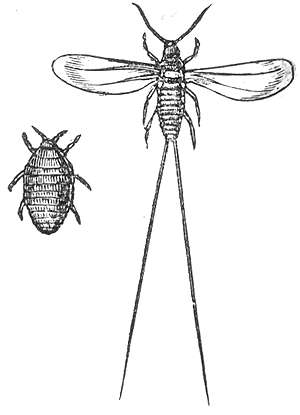
Cochineal is a sap-feeding hemipteran in the group commonly called scale insects; for taxonomic context see taxonomic details. Females are wingless and remain attached to pads of prickly pear cacti (genus Opuntia), while males are smaller and winged. The insects obtain moisture and nutrients from their cactus hosts and develop through typical scale-insect stages. Wild and cultivated populations occur across parts of tropical and subtropical Americas, especially in South America, Mexico and even in some areas of Arizona.
Life cycle and defensive chemistry
Young cochineal 'crawlers' disperse over the cactus pad before settling and feeding. The insect produces carminic acid, a compound that reduces the risk of predation by insects and possibly other small predators; research on its defensive role is summarized in sources such as studies of insect defenses. Harvested material contains carminic acid concentrated in the bodies and eggs.
Collection and processing
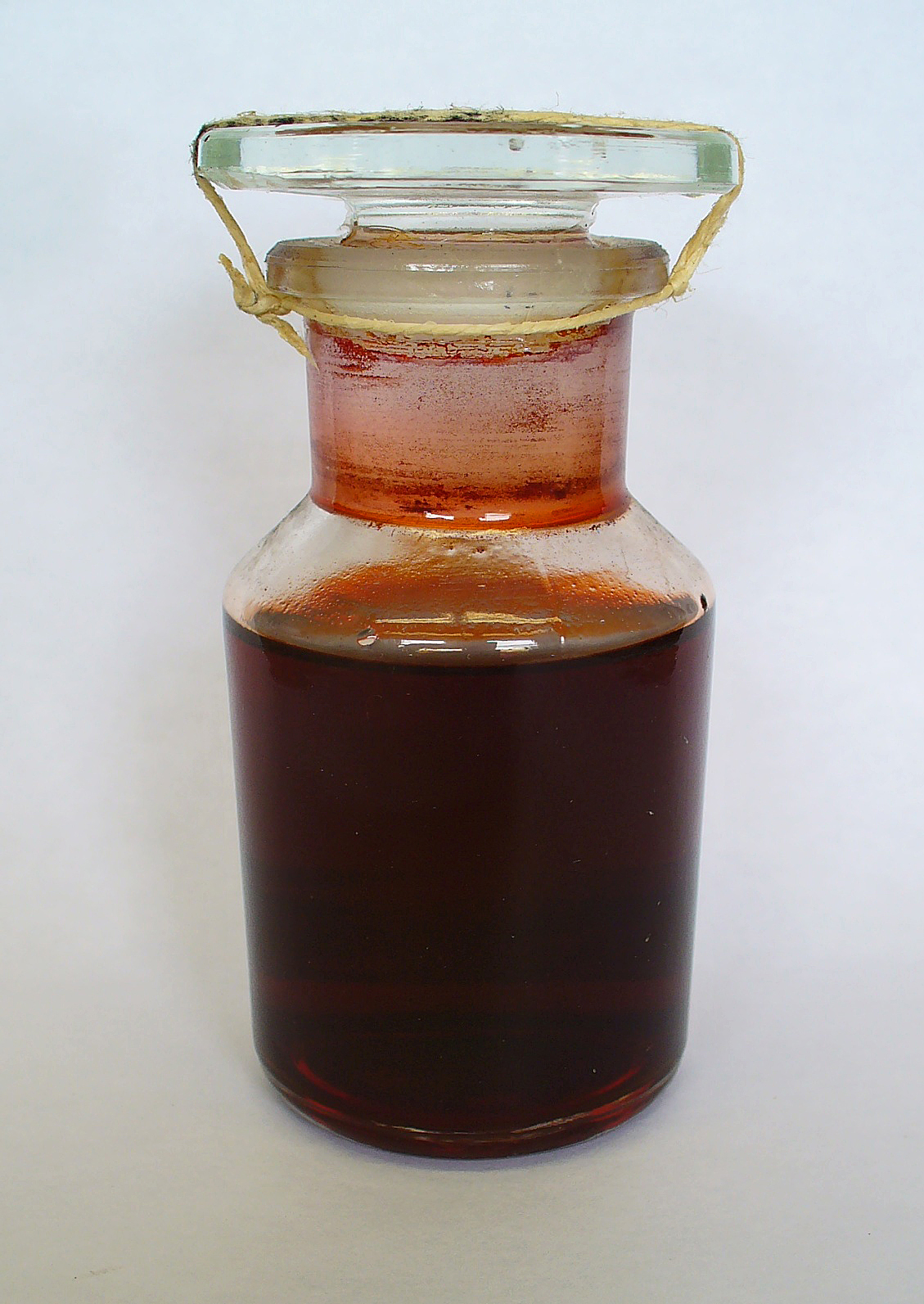
Traditional collection involves brushing or scraping the insects from cactus pads, then killing and drying them. Dried insects are crushed to release the red extract; carminic acid is then precipitated or combined with metal salts (typically aluminum or calcium) to form carmine lake pigments. The resulting dye is valued for its vivid hue and relative lightfastness compared with many plant reds.
History, cultivation and cultural importance
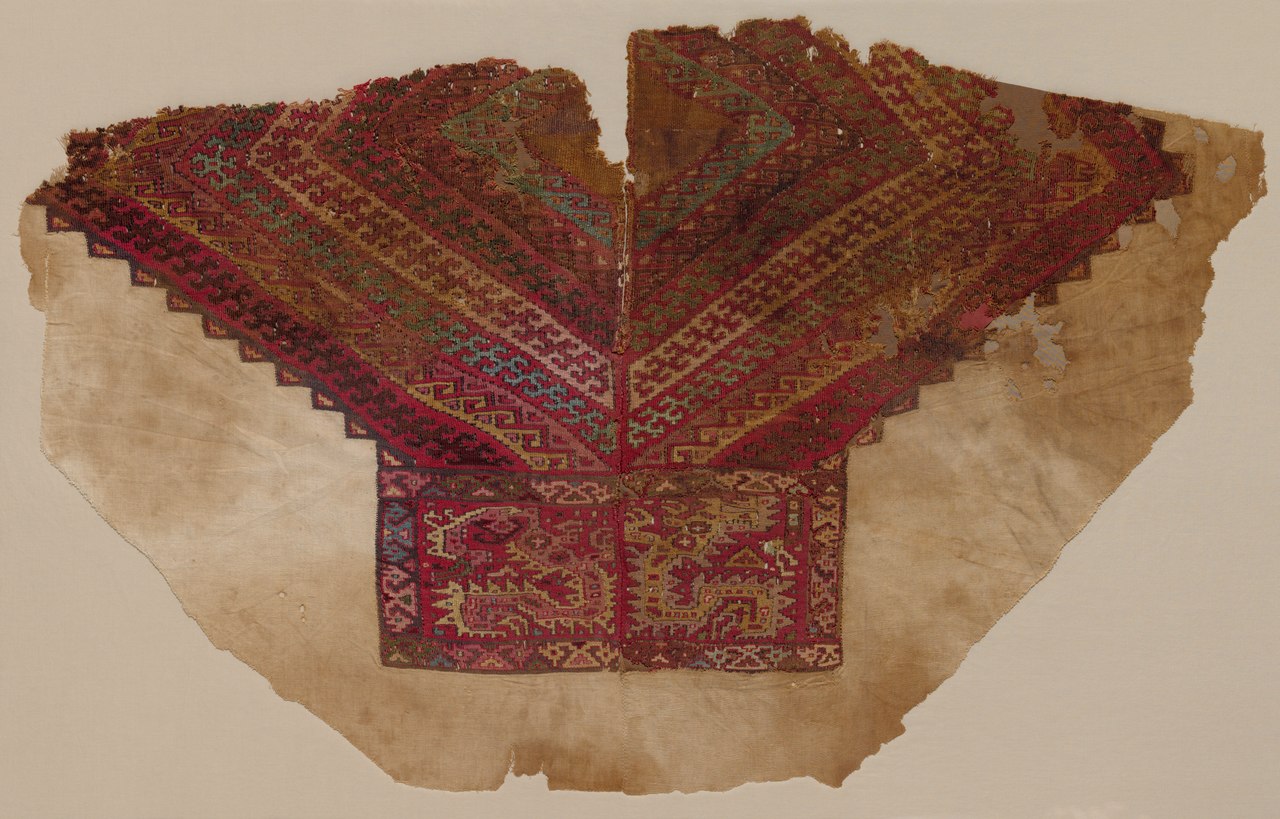
Indigenous peoples of Mesoamerica cultivated cochineal and used the dye for textiles and body paint long before European contact. After the 16th century the dye became an important export commodity. Small-scale farming of cochineal continues in regions with suitable climate and Opuntia hosts, and both artisanal and industrial processing methods are used to produce pigment for modern markets.
Uses, modern applications and considerations
Carmine remains a common colorant in food, cosmetics and art supplies because of its strong red shade and stability. It appears in products such as candies, dairy items and lip products; for cosmetic contexts see links about lipstick and colorants. Regulatory agencies often require labeling because carmine is animal-derived and can cause allergic reactions in sensitive individuals. It is also avoided by those following vegan diets.
Distinctions and notable facts
- Cochineal (insect-derived carmine) should not be confused with kermes, another historical red dye derived from different scale insects.
- The term "cochineal" can refer to the live insect, the dried insect product, or the dye itself, depending on context.
- For more general information and comparative resources see information on natural dyes and broader references such as regional studies.
Because cochineal connects entomology, agriculture and cultural history, it remains a subject of interest in studies of traditional dyes, sustainable colorants and the biology of insect-plant interactions. Additional technical or commercial details may be found in specialized agricultural and regulatory sources (classification, distribution).
Related articles
Author
AlegsaOnline.com Cochineal (Dactylopius coccus): the insect source of carmine dye Leandro Alegsa
URL: https://en.alegsaonline.com/art/21317